The United Church in Jamaica and the Cayman Islands has the country’s poorer residents in mind.
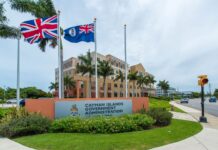
The Church is asking Government to go one step farther when mandating a minimum wage.
A living wage would be better, the Church says.
The living wage is a relatively new issue that advocates paying workers more than a minimum wage based on their family expenses. Therefore, in theory, if a person has more family expenses — such as travel, day care, or food expenses — then their pay should be more.
Critics of a living wage requirement raise concerns about the negative impact increased labour costs would have on businesses and the economy.
Opponents argue that if labour costs too much, employers will stop hiring or become unprofitable.
A recent study conducted in Los Angeles found that the job loss was minimal for workers, contradicting claims by critics who suggest that that living-wage laws lead to increased unemployment and business flight.
The LA living wage ordinance passed in 1997 and impacting 10,000 workers showed that job loss was minimal and the benefits solid for the workers covered.
The challenge of a living wage is to come up with a figure and get employers to buy in to the idea.
Someone in Government will have to determine what goods and services are needed for a family to survive and how much they cost.
And a living wage wouldn’t be in force for all jobs in the Cayman Islands.
It could apply only to jobs that don’t offer upward mobility.
We agree with the church that something has to be done.
The cost of living in the Cayman Islands is increasing on a daily basis.
Groceries cost more and it’s just a matter of time before prices at gas pumps go up again as our neighbours to the north take to the roads during summer holidays.
For those whose wages have no upward mobility, these increasing costs mean a declining standard of living and even poverty.
Related Videos