Sitting in the cool evening breezes, enjoying the lovely tropical sunset and watching hundreds of bats swooping and swirling overhead is an extraordinary event.
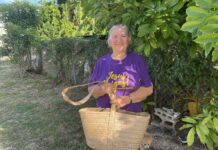
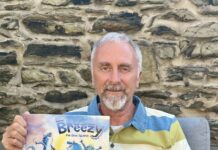
On Tuesday, the public is invited to join Cayman Islands National Trust volunteer and bat conservationist Lois Blumenthal to watch velvety free-tailed bats emerge from one of the 40 bat houses mounted around Grand Cayman.
This 30-minute experience features an informative talk, free colouring books and toy ‘bat rings’ for the kids as well as colourful take-home literature and ‘bat-snacks’ for adults.
The National Trust Bat Conservation Program is the largest in the Caribbean and a model for other islands.
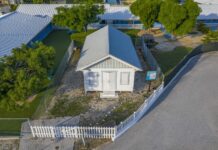
The bat houses used in Cayman were designed by a local carpenter and have been particularly successful. They sit atop sturdy utility poles donated by Caribbean Utilities Company and have proved to be storm resistant, even in Hurricane Ivan.
Each holds between 200 and 500 small insect-eating bats that wake up at sundown and head out to enjoy their nightly feast of mosquitoes, moths and beetles. Each and a bat can eat more than 1,000 bugs nightly.
Besides the insect-eating bats in bat houses, Cayman has eight other species of bats and one endemic subspecies – each with different needs and habits. Some pollinate flowers, some eat wild fruits and disperse the seeds, and others specialize in larger insects, including pests like grasshoppers and palmetto bugs. Not all bats can live in bat houses.
Only two of Cayman’s bat species eat cultivated fruit, and these never live in bat houses. Some species need quiet caves or deep forest habitats to survive.
Ms Blumenthal will explain the different role that each bat species plays in the Cayman Islands ecosystem.
FYI
Bat fly-out, Tuesday, 31 October at 5.30pm. CI$5 for Trust members, $10 for non-members. Please contact Cindy @ 949-0121 or [email protected] for location and reservations.
Related Videos