A leading voice in regional sustainability efforts has commended the Cayman Islands’ commitment to sustainability.
“It’s been inspiring to see how deeply the Cayman Islands has embraced sustainability, with meaningful efforts shared by youth, NGOs and government alike,” said James Ellsmoor, CEO of Island Innovation, a global network for sustainable development in island communities. “There’s a genuine commitment to building a resilient and sustainable future that others can learn from and connect with.”
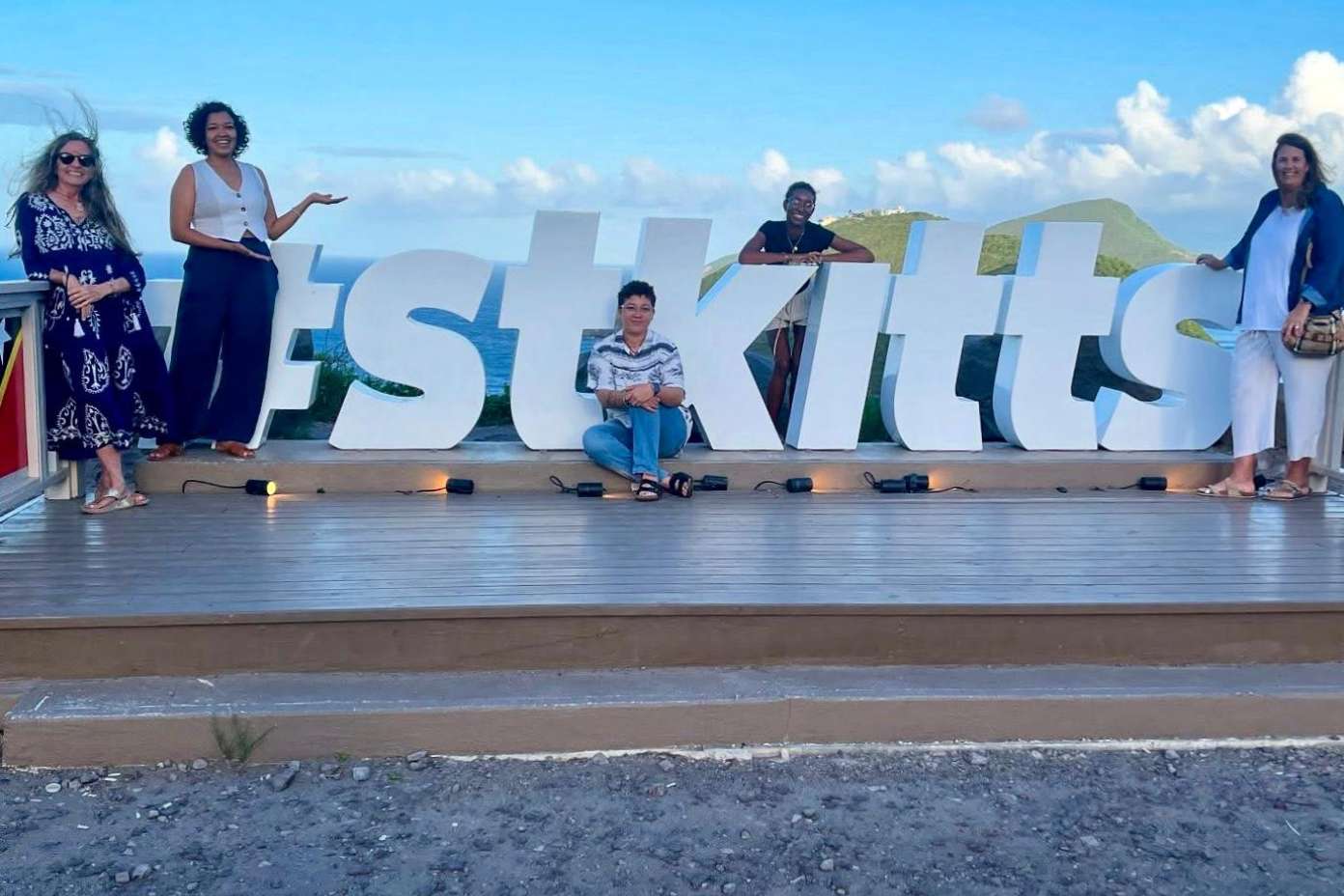
The observation was made in an interview with the Compass, following the 2025 Global Sustainable Islands Summit, which took place in St. Kitts and Nevis from 25-30 May. Co-hosted by Island Innovation and the government of St. Kitts and Nevis, the event brought together island leaders and change makers for a series of in-person events aimed at advancing sustainability across island nations.
Cayman was represented at the event by 10 delegates from the Department of Tourism, the National Trust for the Cayman Islands, the Cayman Islands National Museum, the Ministry of Sustainability and Sustainable Cayman.
“We are inspired by the strong Cayman contingent present at this year’s Global Sustainable Islands Summit,” said Ellsmoor. “For UK Overseas Territories, it’s critical to engage in regional events, and bring back knowledge from islands around the region and the world to apply to what’s happening on the ground in Cayman.”
Catherine Childs, National Trust environmental programmes manager, and Al Ebanks, youth delegate and staff member at the National Museum, spoke at a side event, ‘Islands, Cultural Heritage and Climate Change’, which explored the critical role of heritage in sustainable development among small island developing states.
“Cayman’s natural world is deeply woven into our cultural heritage,” said Childs in her presentation. “By protecting it, we are preserving identity, supporting biodiversity and strengthening our economy.”
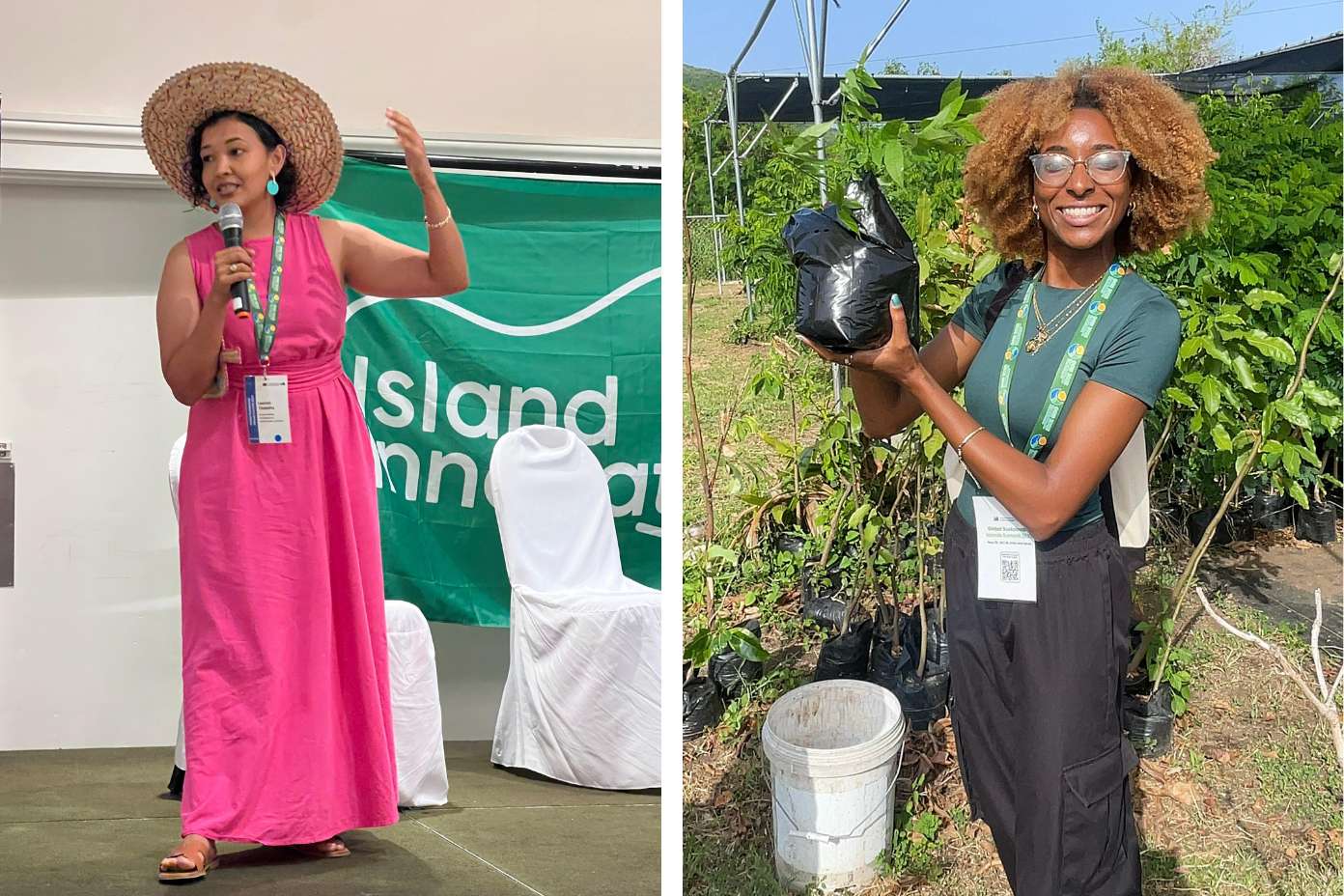
Youth sustainability ambassadors Leanni Tibbetts and Danielle Seales, representing Sustainable Cayman, embraced the chance to share Caymanian culture, challenges and climate initiatives with peers during the two-day Island Youth Forum. Seales even took the lead as a panel moderator, a role Tibbetts said she handled with excellence, proudly representing the Cayman Islands.
“These young people are ready to sit at the table with island leader; they just need to be brought into the room,” said Childs.
Tibbetts reflected on a powerful simulator exercise that illustrated what a country might look like when younger voices and inclusion are left out, calling it “a real eye-opener”, and confided that her favourite aspect of the forum was a session on youth in policymaking.
During a cultural showcase, the Cayman delegates put local heritage on display. Tibbetts brought along a traditional thatch hat and fan, describing the cultural significance of the silver thatch palm to the islands’ history. She also shared ‘The Adventures of Tim and Chippa’, a children’s book written by local author Paullete McField.
“What we saw at GSIS2025 were small nations doing big things – integrating circular economies, protecting and restoring ecosystems, empowering youth,” said Sustainable Cayman CEO Melanie Carmichael. “Cayman can and should be leading that charge.”
Also in attendance were representatives from Dentons law firm, the Ministry of Tourism, and Vanessa Burke – the first Caymanian to serve as dean of the CARICOM Youth Ambassador Programme. Kristen Smith and Emily Gilman attended on behalf of the newly established Ministry of Health, Environment and Sustainability.
In a recent statement, the ministry explained that the unification of these three closely linked areas under one strategic portfolio is designed to enhance coordination on urgent issues such as climate-related health risks, sustainable waste management, food and water security and access to safe, healthy environments – all of which featured prominently in the conference discussions.
Global Sustainable Islands Summit panels and events addressed key challenges facing island communities, with discussions on the water-energy nexus, agricultural resilience in a changing climate, the links between climate and health, the potential of geothermal energy and other critical issues.
“These cross-regional connections and knowledge exchanges are exactly what drive greater resilience and long-term sustainability for island communities,” said Ellsmoor.
Related Videos