Jamaica restored electricity across the island following a rare nationwide blackout that plunged the country into darkness last week and prompted demands for answers from government officials, regulators and opposition politicians.
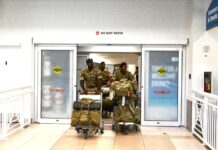
The outage began shortly after 9pm on 5 June and affected the entire national grid, leaving homes, businesses, hospitals and critical infrastructure without power for several hours.
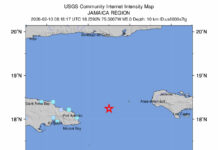
According to the Jamaica Public Service Company, the blackout appears to have been triggered by a storm with intense lightning activity that affected key transmission infrastructure in the Kingston area.
Hugh Grant, Jamaica Public Service Company’s president and CEO, said five transmission lines connected to a major substation were lost during the storm.
The disruption caused generating stations around the island to shut down, resulting in the complete collapse of the grid.
“We lost five of our transmission lines emanating from one of our significant substations in the corporate area,” Grant told reporters. “In parallel with that, we had a cascading effect, causing a loss of generation across the entire island.”
Grant said the company is now investigating why the failure spread throughout the network, noting that such a widespread shutdown was not anticipated. He said backup systems performed as designed and that black-start procedures allowed engineers to begin restoring power within an hour of the outage.
By early Saturday morning 6 June, approximately 500,000 of JPS’s 700,000 customers had electricity restored, with the remaining customers reconnected later in the day.
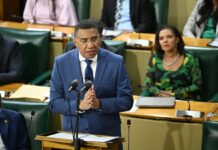
Energy Minister Daryl Vaz described the incident as “totally unacceptable” and called an emergency meeting with JPS leadership. He has demanded a detailed report within 24 hours outlining the cause of the outage and the steps needed to prevent a repeat occurrence.
“The outage and protracted delay in restoration cannot be tolerated. JPS must do better,” Vaz said.
The Office of Utilities Regulation has also launched its own review, requiring JPS to submit a preliminary report by Monday 8 June detailing the sequence of events, contributing factors and corrective actions. Under Jamaica’s Electricity Act, a more comprehensive report must follow within 30 days.
Opposition spokesman on energy Phillip Paulwell has questioned whether lessons from a previous island-wide blackout in 2016 were fully implemented. He called for full transparency, noting that nationwide power failures carry significant economic and social consequences, from lost business revenue and spoiled food to disruptions at airports and healthcare facilities.
The incident has renewed debate about grid resilience and the ability of Caribbean utility systems to withstand increasingly severe weather and unexpected system failures.
Related Videos