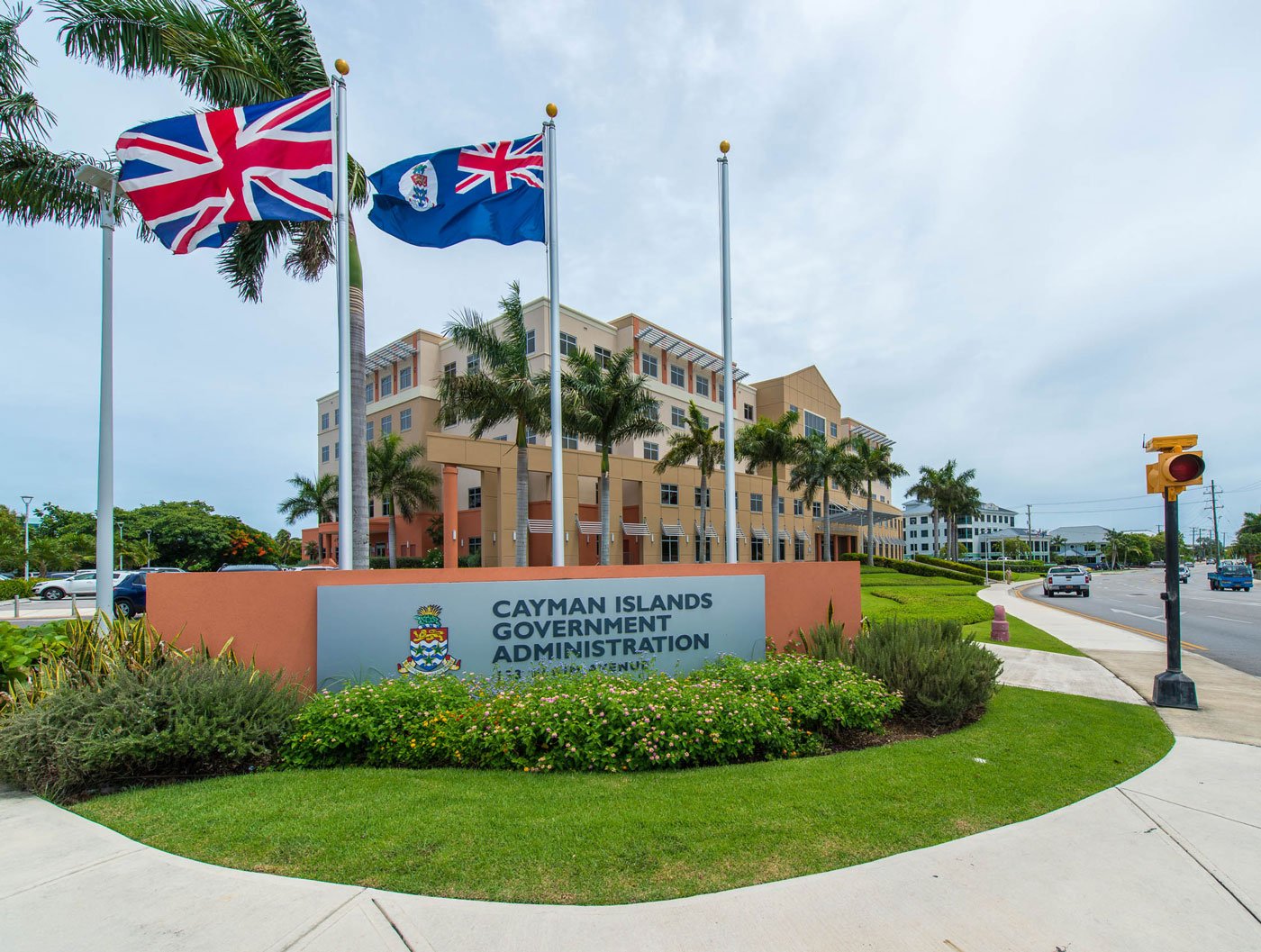
To kickstart the modernisation of its budgeting and reporting framework, government aims to hire consultants that will prepare a business case for the project.
Government’s financial accountability and the process used for budgeting and reporting have long been under the microscope.
A December 2020 report by the auditor general found that overall the budget process was not effective or transparent and that government had implemented few of the recommendations to improve transparency and accountability made in earlier auditor general reports.
Cayman’s budgeting centres on first setting broad and specific outcomes in a strategic policy statement. But the remainder of the budgeting framework is output-based with no clear link between output measures, outcomes or the budget, auditors noted.
The various budget documents, running at more than 3,500 pages, are also not transparent as they are too long and cumbersome to use, the report found.
In addition to the Strategic Policy Statement, the budget statements, ownership agreements and the plan and estimates document, there are 108 purchase agreements between Cabinet and statutory authorities, government companies and non-governmental output suppliers.
The auditor general has argued that the sheer volume of the documentation would reduce rather than increase transparency.
Last year, the Public Accounts Committee heard from Financial Secretary Kenneth Jefferson that reducing the volume would require legislative changes. He agreed that there was only a weak connection between the information in the budget documents and what government wants to achieve.
Government’s chief accountant Matthew Tibbetts told the committee that rather than fixing the shortcomings of the current output-based budgeting system, government wants to move to an outcome reporting that would allow the average person to see how any government money spent is benefitting the public.
However, this change would take time, Jefferson warned at the meeting 18 months ago.
In a request for proposals, published on the government’s tender website in July, the project is anticipated to run in three phases from September 2022 until the end of 2025.
The current reporting framework is based on Public Management and Finance Act first enacted in 2001. It focusses on outputs to determine if government services are delivered in terms of quantity, quality, timeliness and cost.
A total of 46 ministries, portfolios, statutory authorities and government companies report the information, mostly using Word and Excel files, that is then aggregated by the Ministry of Finance.
This process is time consuming, labour intensive and prone to duplication of efforts and errors, the ministry said in the tender document. In addition, some information required by law adds little value to the users of the budget documents and decision-makers.
The project would shift the focus of the budget and reporting framework on outcomes with better success measures and performance monitoring.
It should also simplify the process and reduce the volume of information “by removing the requirement for forecast financial statements in the budget statements and ownership agreements and limit this to high-level information that is essential for budget scrutiny and transparency”, the document said.
In addition, the number of output groups and appropriation line items should be reduced “to allow more in-year virement of budgets and ensure that only those budget changes that relate to key government priorities go to the Parliament for approval”.
This suggestion goes to the heart of an ongoing debate about the use of Section 11.5 of the Public Finance Management Act.
Successive governments have frequently used this “exceptional circumstances” provision to make funding changes that, in the view of the auditor general, are not exceptional at all and should only be reserved for emergencies.
This practice appears to have become a loophole to alter the government budget and authorise new spending without having the approval of Parliament.
The ministry also expects that, with the use of technology, the budget preparation process can be streamlined and made more efficient.
Related Videos