

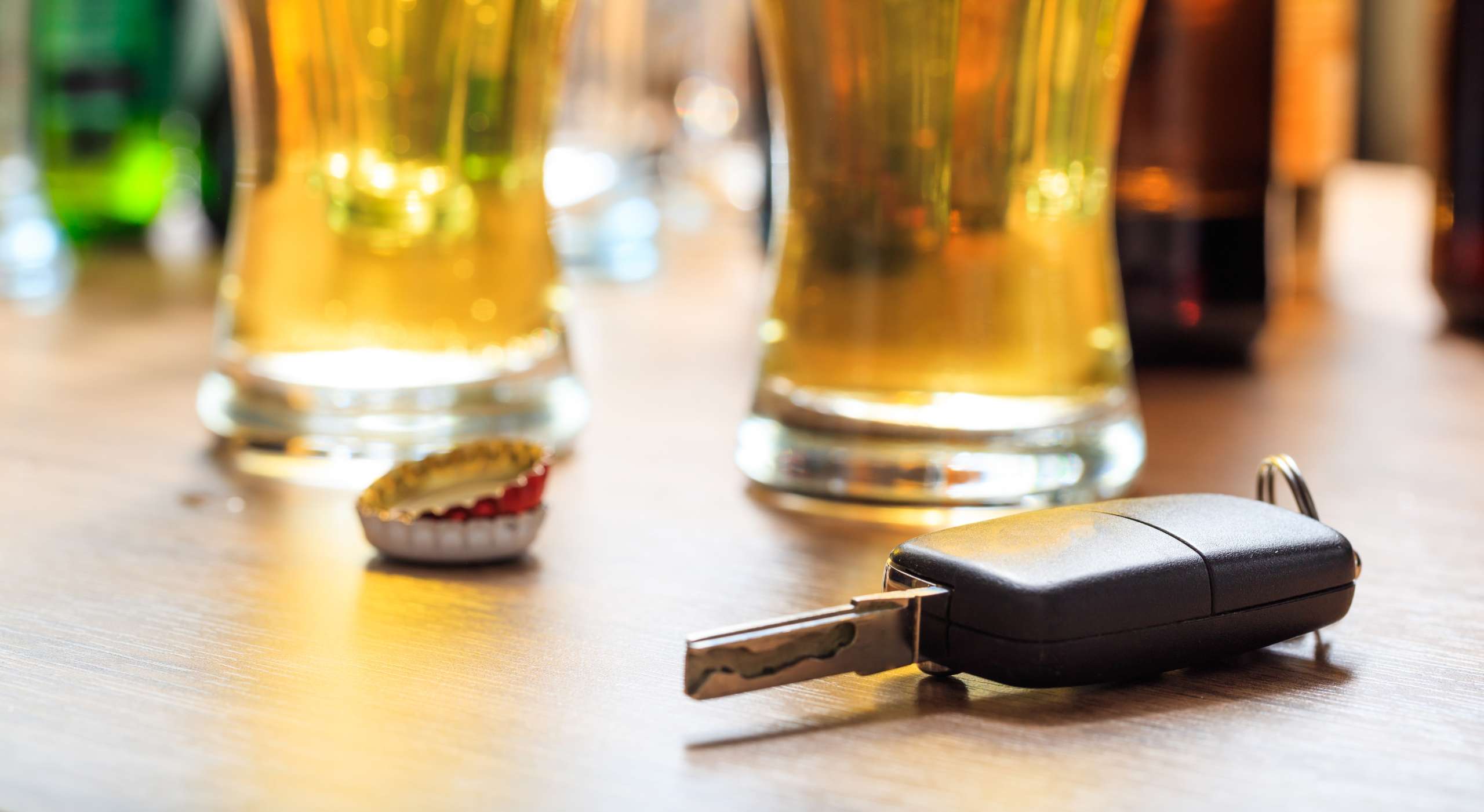
Cayman’s drink-drive limit, currently one of the most lenient in the world, could be cut by one-third.
An amendment to the Traffic Act, which was gazetted today, 16 Aug., will reduce the legal blood-alcohol content for drivers from 0.1% to 0.07%.
This means that, if the amendment is passed, the legal blood-alcohol limit will be reduced from 100 milligrammes of alcohol in 100 millilitres of blood to 70 milligrammes of alcohol in 100 millilitres of blood.
No other country in the world that has drink-driving laws has a limit higher than Cayman’s current 0.1% limit.
Premier Wayne Panton, in his budget address in November last year, announced the government’s intention to reduce the drink-drive limit, saying, “We are too tolerant of drunk driving.”
At the time, he said it was a priority to address Cayman’s “alarming” road-safety record, which he described as “quite frankly, unacceptable”.
In a recent statement addressing a number of fatal and other serious crashes on local roads, RCIPS Acting Superintendent Brad Ebanks said, “We are seeing an alarming number of persons driving at excessive speeds, and the consequences of that decision. Speeding greatly increases your chances of being involved in a collision and makes it far more likely that the consequences of a collision will be serious, or even deadly. The outcome is even more likely when you add alcohol into the mix.”
According to the RCIPS’s annual crime statistics, in 2021, more than a third of all the DUI cases recorded last year involved a motor vehicle accident.
Last year, police said, 312 people were arrested for DUI offences – an increase of 37% compared to the previous year. In more than a quarter of those cases, the driver was found to be at least double the drink-drive limit, while in 2% of those cases, the driver was three times over the limit.
The proposed reduction in the amount of alcohol a person can drink and still drive a vehicle will mean Cayman will have a more restrictive limit that those in place in the UK, US, Jamaica and Canada, where the legal limit is 0.08%.
A person convicted of DUI in Cayman is liable on a first offence, to a fine of $1,000 or to imprisonment for six months, or both. On a second, or subsequent, offence they can be fined up to $2,000 and could be subject to imprisonment for 12 months, or both.
Also, on a first or any subsequent offence, a driver convicted of DUI is liable to disqualification from driving for 12 months.
Under the proposed amendment, there is no change to the current penalties for DUI offences.
Also, if MPs pass the bill, it will not impact cases prior to the enactment of the revised law, so anyone whose blood-alcohol content was higher than 0.07% before the law comes into force will still have been considered to be within the legal drink-drive limit.
The amendment to the Traffic Act is expected to be included in the business of Parliament when it next meets in September.
Related Videos











It’s all well and good lowering the legal limit, but who is going to enforce it?
All these fatal accidents occur during the middle of the night when no police bother being on patrol.
The limit isn’t the problem – it is the Police Service.