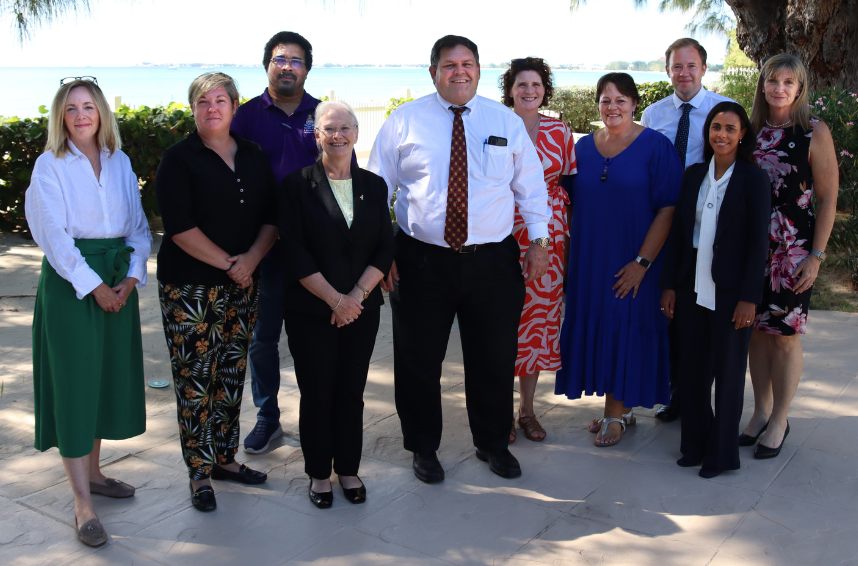
The Cayman Islands has become the latest British overseas territory to join the United Kingdom government’s Blue Belt Programme.
The global initiative tackles threats facing oceans around the UK’s overseas territories, such as overfishing, species extinction, climate change and marine pollution.
In an introductory video, Premier Wayne Panton, who is also Minister of Sustainability and Climate Resiliency, said the programme will protect and enhance Cayman’s ocean health.
It will do this by supporting Cayman to enhance marine management frameworks, address human activities, and develop robust legislation and enforcement for marine protection.
“As part of global programmes like the Blue Belt, we protect not just Cayman’s future but the world’s future,” Panton said.
“Just as our seafaring ancestors were citizens of the world, our youth will be citizens of a more connected global economy and environment.”
He stressed that everyone must do all that they can to leave them with a homeland “at least as good as our ancestors left us”.
“The Blue Belt Programme is one of the ways we will do that and I am proud that Cayman’s participation in the programme has now begun,” the premier said.
Tackling threats
The Blue Belt Programme is delivered by two organisations on behalf of the UK government – the Centre for Environment, Fisheries and Aquaculture Science and the Marine Management Organisation.
They provide advice and assistance in applied marine science, management, technology, remote monitoring and enforcement to the member overseas territories.
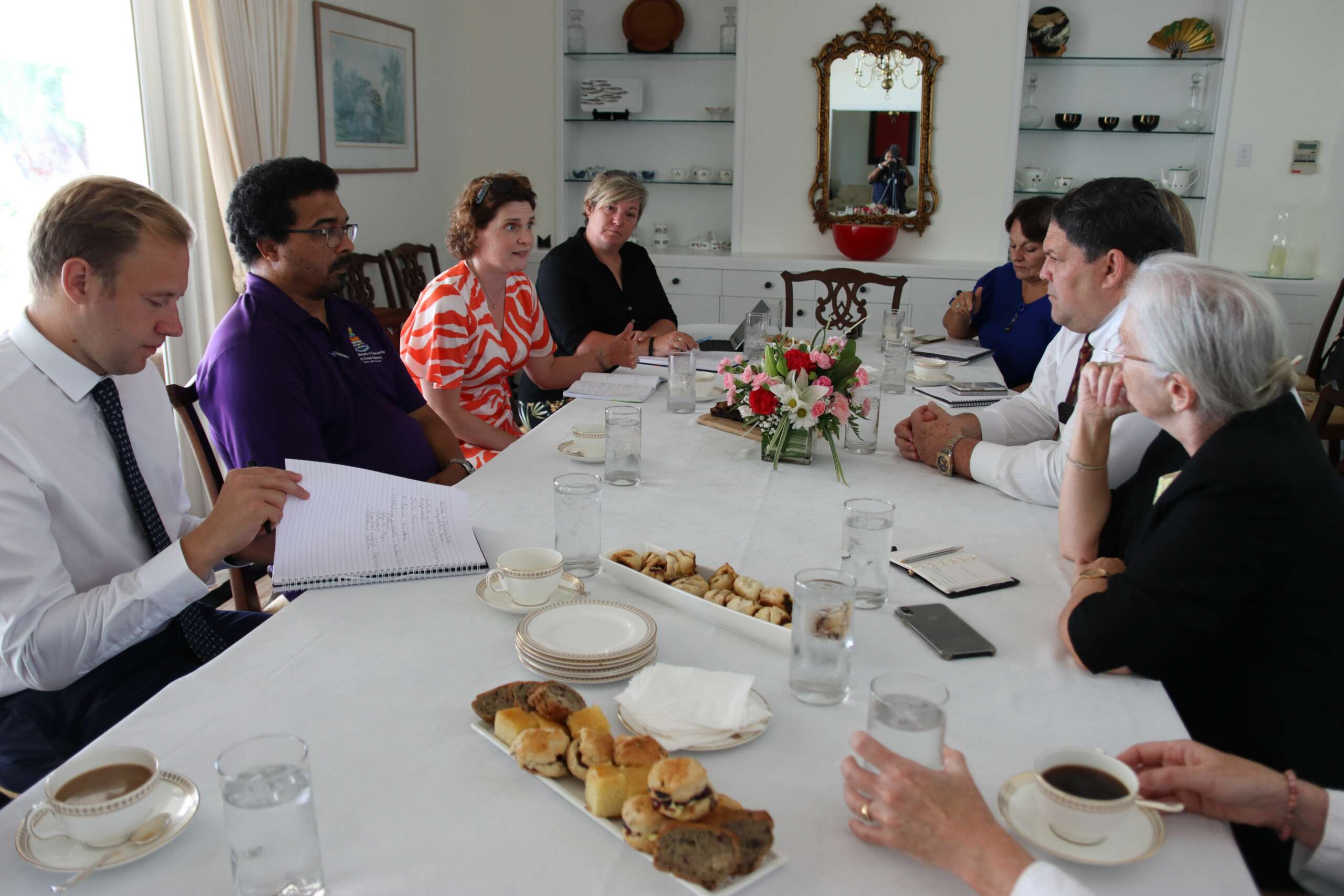
The Cayman Islands is the third UK overseas territory in the Caribbean to join the programme, after the Turks and Caicos Islands in 2022 and Anguilla this year.
David Rutley, minister with responsibility for the overseas territories, said the Blue Belt Programme is one of the most successful and largest marine-conservation initiatives.
“The Cayman Islands are pioneers in protecting the environment, so this collaboration promises to be a gold standard in the sustainable management of our oceans,” he added.
It is funded by the UK’s Foreign, Commonwealth and Development Office.
Marine protected areas
The first marine protected areas in the Cayman Islands were created almost 40 years ago.
Today, nearly half of the islands’ shallow coastal waters are designated marine protected areas which regulate fishing, some boating and water-related activities.
But Panton said: “Even with protections, our unique marine and terrestrial environments are not immune from the threats of invasive, alien species and the impacts of global climate change.
“Further out at sea, beyond our coral reefs, human impacts of illegal fishing and pollution put our pelagic species and environments at risk.”
One practical way the Blue Belt Programme will support Cayman is by undertaking a review of fishing activity in the region to help inform management strategies.
It will also develop satellite surveillance to support enforcement and explore alternative surveillance tools in the region.
And it will explore options for enhanced management of offshore natural resources, potentially including offshore Marine Protected Areas.
Cayman meeting
Members of the Centre for Environment, Fisheries and Aquaculture Science; the Marine Management Organisation; the Joint Nature Conservation Committee; and the UK’s Foreign, Commonwealth and Development Office visited Cayman last month.
They joined representatives of the Department of Environment, the ministry of sustainability and climate resiliency, Cayman Islands Coast Guard and local stakeholders for a two-day workshop on the programme.
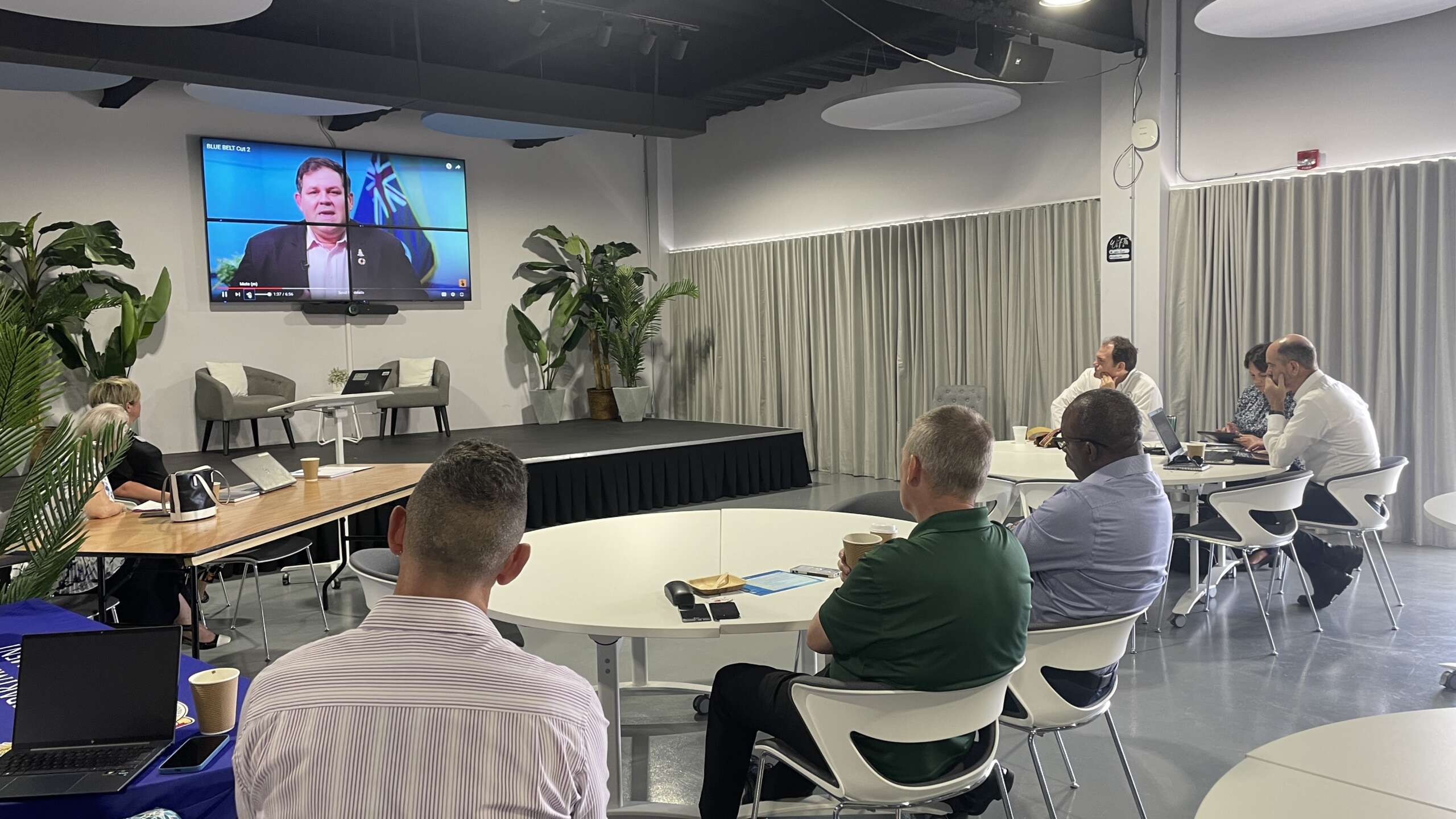
Following the event, Cayman’s partnership with the programme was announced.
In a press release, Governor Jane Owen said: “The commitment and ambition of Cayman towards conserving our marine environment is wonderful to see.”
She added that the programme will enhance Cayman’s marine protection “and bring lasting benefits to the marine environment and local communities for future generations”.
Related Videos