Government is moving to increase the number of years expats must be married to a Caymanian before they can qualify for status as it continues to clampdown on sham marriages.
It is also extending the period that an individual must be married to a Caymanian before they can qualify for naturalisation as a British Overseas Citizen.
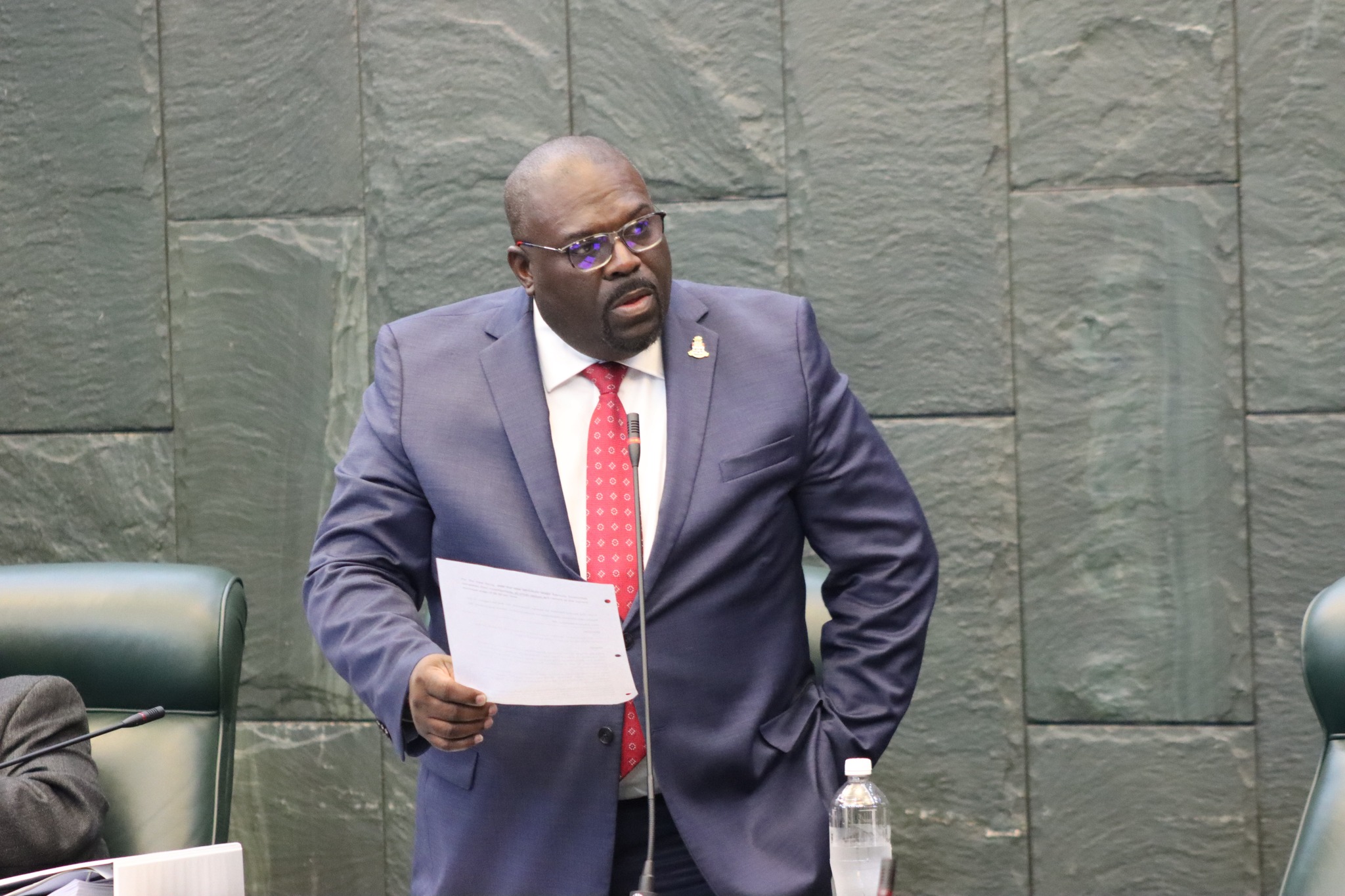
Border Control Minister Dwayne Seymour announced the coming changes in Parliament on Tuesday morning.
Seymour said “significant amendments” to the Immigration Transition Act, which includes the increased periods, are nearing the end of the drafting stage.
He said the changes will “address the overwhelming concerns that too many individuals qualify to become Caymanian too quickly”.
At present, an expat would need to be married to a Caymanian for seven years before applying for status.
The minister did not share what the new time periods would look like when he addressed Parliament on the issue.
Permanent residency changes
Seymour said post-marriage immigration changes are also being included in the upcoming amendments.
“We are introducing provisions to limit the criteria under which individuals can continue to possess permanent residency if their marriage to a Caymanian or a [permanent residency] holder ends,” he said.
Seymour said the looming immigration changes will help to ensure that those with “genuine long-term commitments” can attain status.
Government has been actively pursuing unions of convenience, or sham marriages, through law changes and increased scrutiny at the Workforce Opportunities and Residency Cayman department.
Just last week WORC confirmed that it was investigating 136 suspicious marriage reports as the department cracks down on unions of convenience.
This latest step, announced by the minister on Tuesday, follows the drafting of the new Immigration (Arrangements of Convenience) Regulations aimed at weeding out couples in sham marriages and cracking down on marriage officials who facilitate them.
Those new regulations will also empower WORC to take action against those abusing the system.
The introduction of the regulations, the ministry said last month, will be “a decisive move to strengthen the integrity of marital/civil partnership unions”.
Seymour, who was at the time presenting the Ministry of Border Control and Labour’s annual report for 2023, also said the permanent residency points review committee is finalising its work “to ensure that fewer people qualify [for PR] and that those who do are making positive, lasting contributions to the Cayman Islands”.
He did not give a timeline for this to be completed.
August will mark two years since the review officially commenced.
In March last year, the Court of Appeal ruled that Cayman’s permanent residency points system was unconstitutional, as it did not give sufficient weight to the individual circumstances of an applicant, and was operating contrary to parts of the Cayman Islands Constitution which say private and family life are protected.
Term limits for civil servants
Seymour, speaking to gaps in the existing immigration system, also indicated that term limits for civil servants are being explored.
This, he said, will bring parity between the civil service and the private sector when it comes to ‘rollover’ provisions.
Under the rollover policy, permit holders, at the end of nine years, must leave the island for a period of one year after which they can return and seek re-employment. Only those who successfully apply for permanent residency are allowed to stay beyond nine years.
Civil servants, however, have not been subject to this provision and have been allowed to continue to work without breaks in their contracts.
Seymour advised that work on the term-limit changes was paused to allow the deputy governor the opportunity to “study” the impact of term limits on the civil service and propose recommendations on mitigating the situation.
Seymour said as labour minister he will be seeking support from Cabinet for draft amendments to the Labour Act to improve existing maternity and paternity leave, enhancing provisions to support families.
The amendments, he said, will also empower the Department of Labor and Pensions and grant additional powers to staff to administer fines and prosecute offenders effectively.
Action on offenders
Seymour, addressing the issue of work permit holders committing offences, said the ministry also allows for disclosures to WORC and other key government departments when it comes individuals who commit crimes while on work permit.
This, he said, is to ensure that “all relevant considerations, including administrative fines, arrests and convictions, are known to the decision-makers when reviewing applications”.
“We aim to remove those individuals on work permits who are breaking our laws and committing increasingly serious offences,” he said.
Related Videos