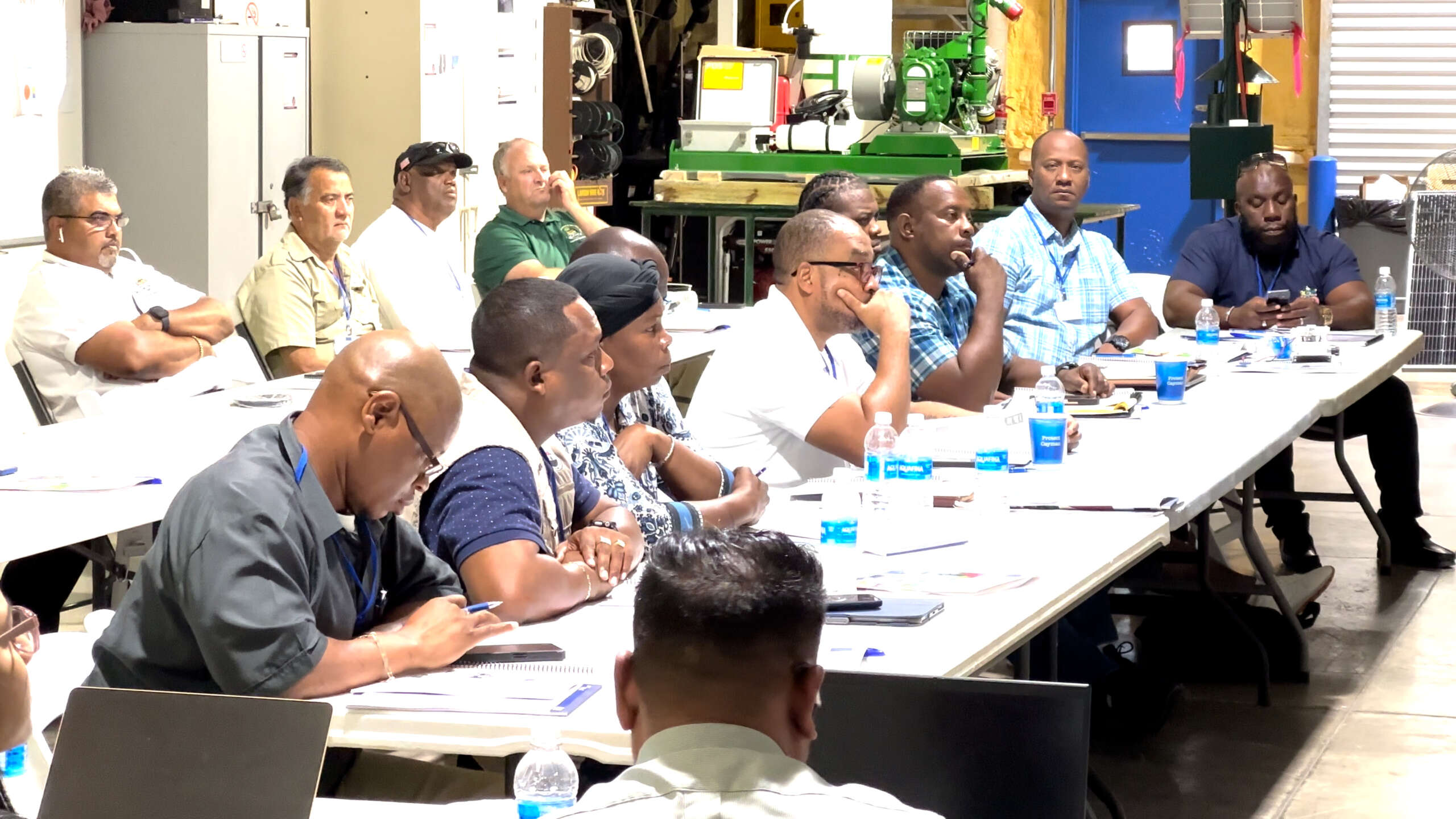
Public health professionals from Caribbean Public Health Agency member countries gathered this week in Cayman for a special workshop hosted by the Mosquito Research and Control Unit.
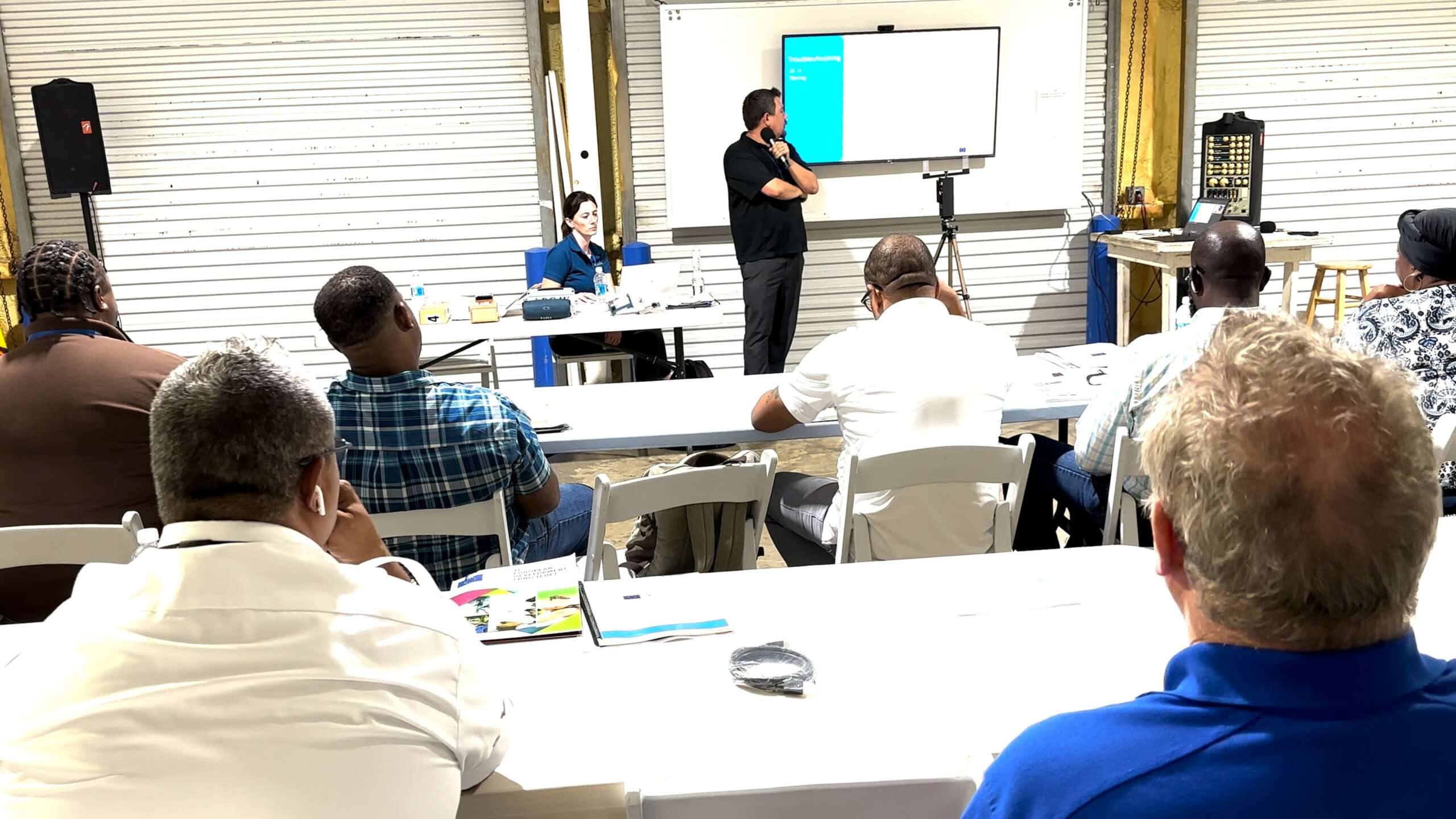
The 27-29 Aug. event, held for the first time in Cayman, focused on the critical maintenance and calibration of mosquito control equipment and supporting eight of 26 member countries.
An MRCU release on the workshop said the event underscores its “ongoing commitment to the safe and effective use of mosquito control products, continuous skill development, and cutting-edge research”.
Dr. Horace Cox, acting director of surveillance disease prevention and control at CARPHA, said that mosquitos are a “real issue” in the Caribbean and because of that “we’re constantly reviewing how best we can support member states in addressing problem”.
He added that it is good to collaborate within the Caribbean as often member states “all work in silos a lot” and at workshops like this one, officials can meet with fellow professionals from other countries “working along similar lines and dealing with similar problems”.
He also lauded the Cayman Islands’ mosquito control efforts.
“The Cayman Islands have tremendous infrastructure. Not only do you have a very good operational system for delivering mosquito and other vector control interventions, but also a scientific approach to doing this. We appreciate being in the Cayman Islands and hope we can continue to build this partnership, working closely to assist those who might not be as strong in these important areas,” he said in the statement.
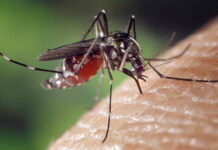
The three-day workshop played a vital role in ensuring that those present strengthen their mosquito management efforts, helping to protect communities from mosquito-borne diseases such as dengue, Zika, and malaria, the statement said.
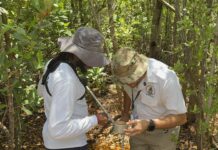
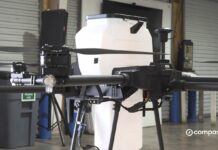
Participants engaged in classroom sessions on best practices in equipment maintenance, followed by direct hands-on experience with calibration and particle testing.
“As leaders in mosquito control, MRCU is dedicated to staying ahead of the curve,” Alan Wheeler, director of the unit, said of the workshop.
Frank Clarke, vice president of strategic development and key accounts at Clarke mosquito control company, who led part of the training, said, “By enhancing our expertise in equipment maintenance and calibration, we ensure that our mosquito control interventions are not only effective but also conducted with the highest standards of safety.”
The MRCU said it remained committed to advancing mosquito control practices both locally and across the region.
“By continuously updating our skills and research, we ensure that the Cayman Islands, and by extension the Caribbean, are well-equipped to tackle the challenges posed by mosquito-borne diseases,” the statement added.
Related Videos