By Taryn Stein

If you’re trying to eat well in Cayman, you’re paying for it – literally.
On a calorie-for-calorie basis, a healthy, home-cooked diet costs nearly double what you’d spend on fast food.
That’s more than a small difference. It’s a gap big enough to push families toward cheaper, less nutritious options, with serious long-term health consequences.
Before we get into the numbers, though, it’s worth saying that diet is never just about calories. Everyone’s needs are different – shaped by metabolism, hormones, genetics, and lifestyle.
Calories are simply a measure of the energy food provides, but they don’t tell the whole story. Still, they give us a useful baseline to explore cost differences in Cayman, and how we can work toward making healthy eating more accessible.
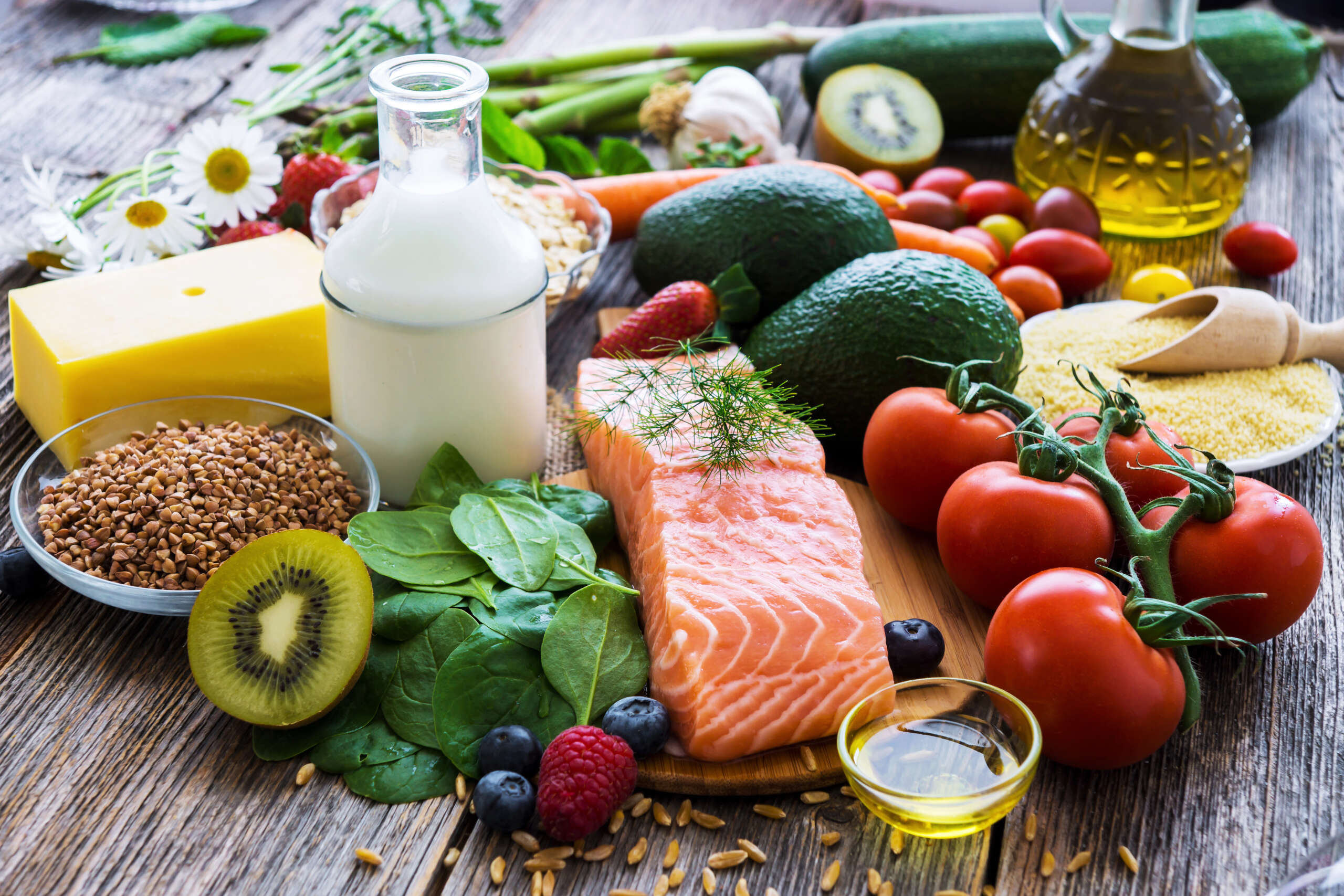
For context, the World Health Organization recommends daily energy intakes of around 2,000–2,500 kcal for average healthy men and 1,600–2,000 kcal for women. So, I used roughly 2,200 kcal per day as a target in my research. That amount of energy, coming from a balanced, home-cooked diet with the nutrients we need to stay healthy, would cost about $242.68 per person, per week.
And just think about that over a year. That’s more than $12,500 per person annually – or close to $50,000 a year for a family of four. Just to eat healthily.
Now, what happens if that’s simply not affordable? What are your options when feeding your family becomes a financial balancing act?
When fast food becomes the affordable option
For many, the solution is to prioritise energy – because you need fuel to get through the day. And cheaper options often come from fast food. While that might fill you up in the short term, the long-term trade-offs are devastating: obesity, diabetes, and heart disease.
The worst part? Those health impacts don’t show up immediately. When you’re focused on feeding hungry mouths today, worrying about what might happen years from now doesn’t feel like a luxury you can afford.
To see how this plays out, I looked at cost and calorie count of a familiar fast-food restaurant. A week of three daily meals costs $220.50 – already cheaper than home cooking – but delivers 25,500 kcal, or 30% more than the WHO guidelines. Cut that to two meals a day to meet energy needs, and costs drop to $8,000 a year per person, saving $4,500 annually compared to healthy home cooking.
For families already stretched financially, choosing fast food for energy makes short-term sense. But it’s setting them up for long-term health problems and contributing to a growing public health crisis. Because when the cheapest way to eat is also the unhealthiest, everyone – individuals, families, and the healthcare system – pays the price.
Cayman’s soaring food costs are reshaping our health
The Cayman Islands has some of the highest grocery prices in the world, with food inflation peaking at 14% in 2022, according to the Economics and Statistics Office. While overall inflation has slowed since then, the cost of many staples, like fresh produce, continue to climb, contributing to the islands’ ongoing high cost of living.
Compare this to the United States, where even with recent bird flu outbreaks driving prices higher, eggs still cost half as much as they do in Cayman. Staples like milk and bread are around 40% cheaper. Cayman’s reliance on imported food, high shipping costs, and a small market size means we pay significantly more.
For low-income families, these costs mean sacrificing nutrition for affordability.
A 2021 census found that 652 Caymanian households reported going hungry due to cost.
Meanwhile, the Cayman Food Bank now supports more than 1,000 individuals monthly, a number that has increased in response to the rising cost of living, pushing families into food insecurity.
And when nutrition suffers, health follows.
The hidden cost of an unhealthy diet
The long-term price of these compromises is devastating. Cayman has some of the highest diabetes rates in the Caribbean, driven by diets high in ultra-processed foods.
Poor nutrition is linked to heart disease, obesity, and reduced quality of life – and the government spends millions annually on preventable diet-related illnesses.
And it doesn’t take long for the damage to add up. Global research shows that even five days of eating ultra-processed meals can impair brain function and increase liver fat.
Meanwhile, people facing food insecurity are more likely to suffer from chronic diseases and early death.
The link between cheap, unhealthy food and long-term health costs is clear – and Cayman is no exception.
The nutritional price of cheap fast food
Fast food isn’t just delivering more calories than most people need – it’s also falling short on the nutrients that keep us healthy. Meals like these are overloaded with saturated fats, added sugars, and sodium, while lacking fibre, essential vitamins like C and E, minerals like potassium and magnesium, and healthy fats such as omega-3s.
These are the nutrients that protect against chronic disease, support immune health, and keep our bodies functioning at their best. Without them, the long-term costs build quietly – from rising healthcare bills to decreased energy levels and reduced quality of life.
What can we do?
Solving Cayman’s food crisis requires a coordinated effort from government, businesses and the wider community to make healthier food more accessible.
Progress is already under way. The Cayman Islands Food and Nutrition Security Policy has laid the groundwork through initiatives like the ‘Grown in Cayman’ and LEADS programmes, support for local egg farmers, free school meals, and the Food and Nutrition Security Council, all helping to strengthen our food system. But there’s still a long way to go to ensure every household, regardless of income, has reliable access to affordable, nutritious food.
With continued investment and collaboration, this vision is within reach.
Next, we need structural changes: reducing taxes on nutritious foods, introducing a sugar tax on ultra-processed products, and expanding support for local farming — through hydroponics and ‘Flex Farms’, sustainable agriculture, and year-round local production.
Retailers also have a role to play. Supermarkets could introduce ‘Healthy Budget Bundle’ meal kits, while farmers’ markets can be optimised by extending hours, introducing pop-ups in different districts, and offering subscription produce boxes for convenience.
Encouraging more Caymanians to farm through subsidised starter programmes, mentorship with experienced farmers, and guaranteed buy-back programmes for school lunches, and supermarkets could help revitalise the industry. Meanwhile, an expanded Cayman Food Bank – including a mobile pantry stocked with surplus from grocery stores, restaurants, and hotels – could help fill the gaps.
And while policy changes are critical, there are still practical ways to stretch your food budget: buy in bulk, cook at home, repurpose leftovers, reduce waste, and support local producers whenever possible.
Cayman deserves better
A healthy diet shouldn’t be a privilege — it should be a right. Yet, for many in Cayman, the rising cost of food is pushing them toward unhealthy choices, setting them up for lifelong health issues.
The solution isn’t just telling people to ‘eat better’. We need ongoing commitment — from government, businesses, and the community — to make nutritious food affordable and accessible.
Because in Cayman, eating well shouldn’t break the bank – and it shouldn’t cost us our health.
Related Videos