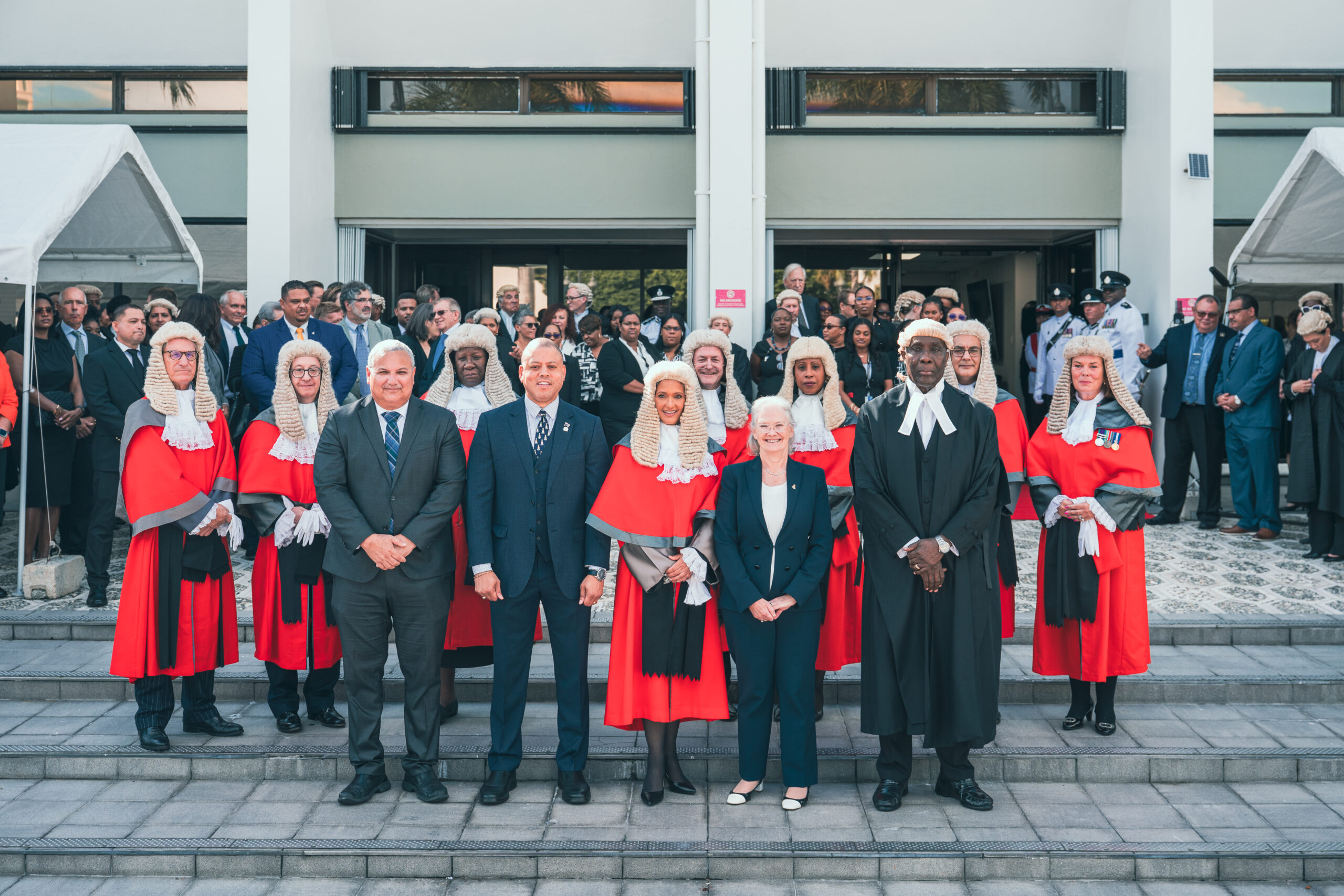
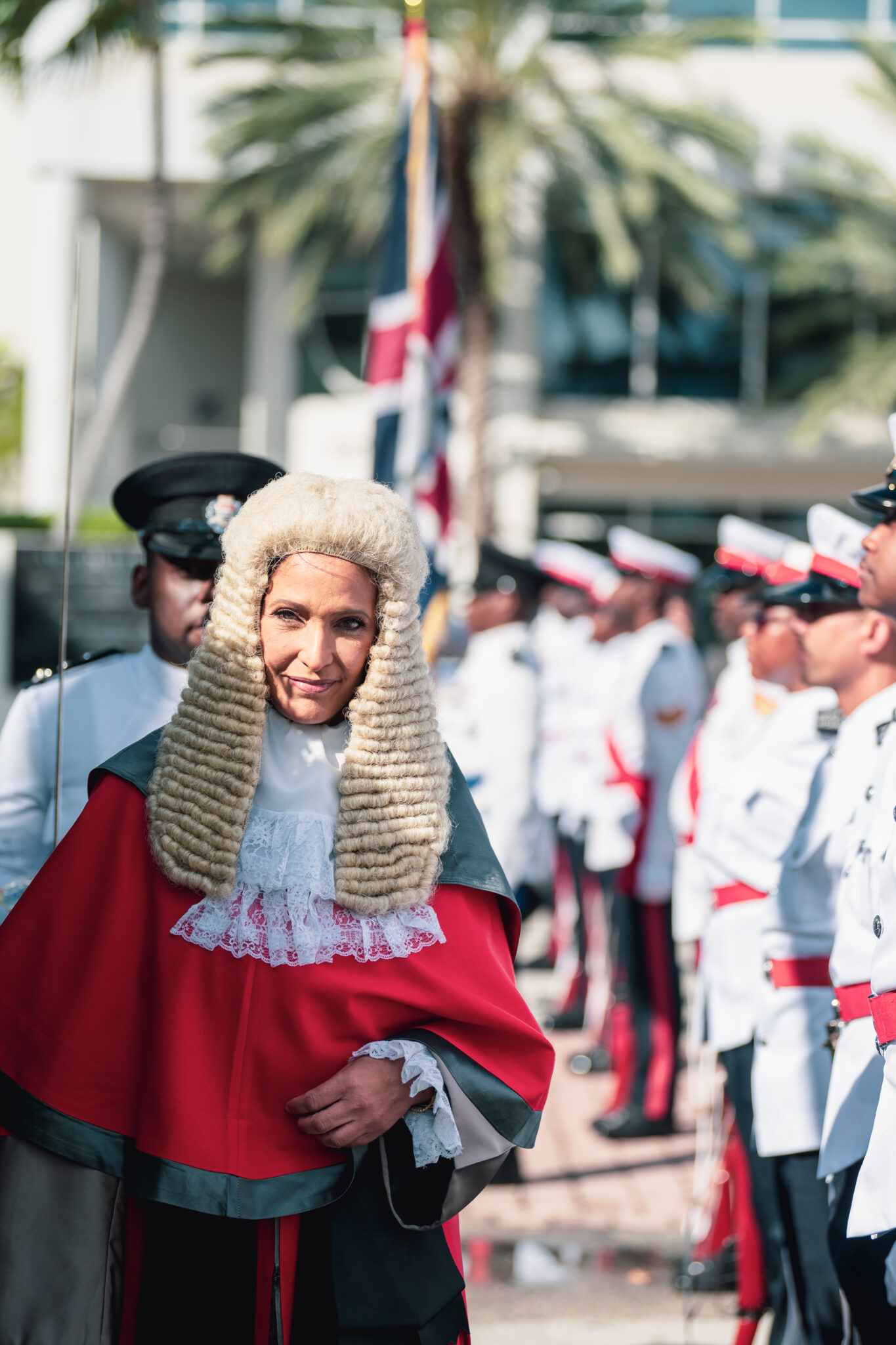
More investment is needed in court support services to help cut a backlog of cases, Chief Justice Margaret Ramsay-Hale said at the opening of Grand Court on Wednesday 14 Jan.
Ramsay-Hale said that more judges and magistrates would not cut the number of outstanding cases, but extra cash for social workers who write reports for the courts and extra criminal Bar members would ease the pressure. She added that full figures for cases brought to the Grand Court were not available because of the transition to a new case management system.
“What I can tell you is that the 140 new criminal cases that were filed, while a figure broadly consistent with last year, it is still a figure 40% higher than the entire three-year period before that, say 2020 to 2023.”
Ramsay-Hale added it was not known why there had been an increase, but that it could be attributed to an increase in crime or to an increased detection rate.
“But I can say this; experience has shown increases in enforcement activity, if not matched by a corresponding investment in the capacity in the courts, at the Bar, and the supporting agencies … will inevitably place additional pressure on case progression and remand.”
Ramsay-Hale said that during a period of renovations at Grand Court – to prepare it for an electronic future and improve working conditions – core court activities were maintained.




Disposal rates important
Ramsay-Hale said that disposal rates were important because the case clearance rate was a “key performance indicator” or KPI. She said another KPI was the time prisoners had to spend on remand in HMP Northward Prison before their proceedings were concluded.
“In the absence of having complete figures, what we did do this year was undertake a detailed review of persons on remand pending trial because another key performance indicator is that persons before the Grand Court now in custody are tried within six months.”
Ramsay-Hale said, of 38 prisoners on remand in HMP Northward at the start of the month, 12 had gone beyond the six-month benchmark.
“Our review demonstrated that the principal causes of this extended remand for these 12 people were not judicial inactivity, it wasn’t a failure to list trials effectively.
“There were capacity constraints elsewhere in the criminal justice system. Most notable delays were in the preparation of pre-sentence and mental health reports, limited availability of defence counsel in serious criminal cases and, in some instances, delay in receipt of expert reports from overseas.”
Ramsay-Hale explained sophisticated tests, such as those for gunshot residue, were carried out abroad.
“So the reality bears stating plainly. The progression of criminal cases depends on the timely engagement of multiple agencies.
“Where reports cannot be prepared, assessments can’t be undertaken, counsel not available to proceed, cases cannot move, regardless of how many judges are available to sit.”
More judges not enough
Ramsay-Hale admitted, “I have stopped clamouring for more judges. More judges would create more persons on remand, more backlog, which is a sort of counter-idea.”
She explained, because the courts did not “operate in a silo” more judges would place extra stress on already over-burdened support agencies.
Ramsay-Hale said groups had been set up to examine the problems and report through the Attorney General Samuel Bulgin to the Cabinet and governor.
She emphasised she was not criticising social services agencies, but that it was “a matter of where we place our resources”.
Ramsay-Hale highlighted there were 2,000 people put before the Summary Court last year, with reports required in many cases.
She said Summary Court heard serious cases, which required consideration before sentence, and that there were not enough people to prepare them quickly.
Ramsay-Hale said the larger legal firms in Cayman should consider hiring one lawyer specialising in criminal law to help increase the number of lawyers to appear in the criminal courts.
But she added fees for small law firms had been reduced by the new Legal Services Act and she appealed for them to invest the money in more staff.
Ramsay-Hale also thanked those who served on juries as they were “essential to functioning of the criminal justice system”.
But – in an apparent reference to broaden the pool from which jurors are drawn – she said, “It may become time to consider ways in which we could increase the number of persons eligible to serve. I will say no more than that.”
Related Videos