

At a glance:
- Echoing the lives of his forebears who went to sea, Caymanian Paul Trahan, works on oil rigs.
- Safety on board the rigs is the highest priority for workers.
- Trahan says he hopes other Caymanians will explore finding lucrative work in the oil rig industry.
In years gone by, generations of Caymanian men took to the sea, leaving their home behind to make money on ships that traversed the world.
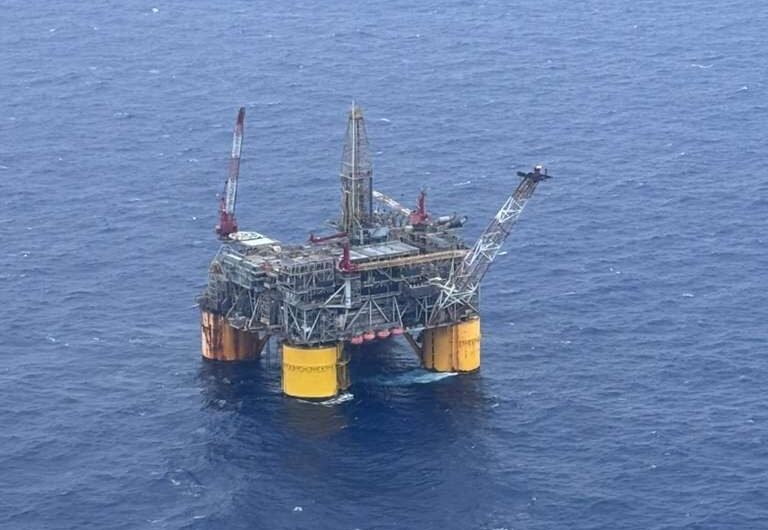
For one modern-day Caymanian man, life on the high seas is a little more stationary than it was for his forebears. Paul Trahan, 52, works on a Shell oil rig off the Florida coast; he has been working offshore on rigs since 2017, when he was introduced to the job by his younger brother Robert, who is also an oil rig worker.
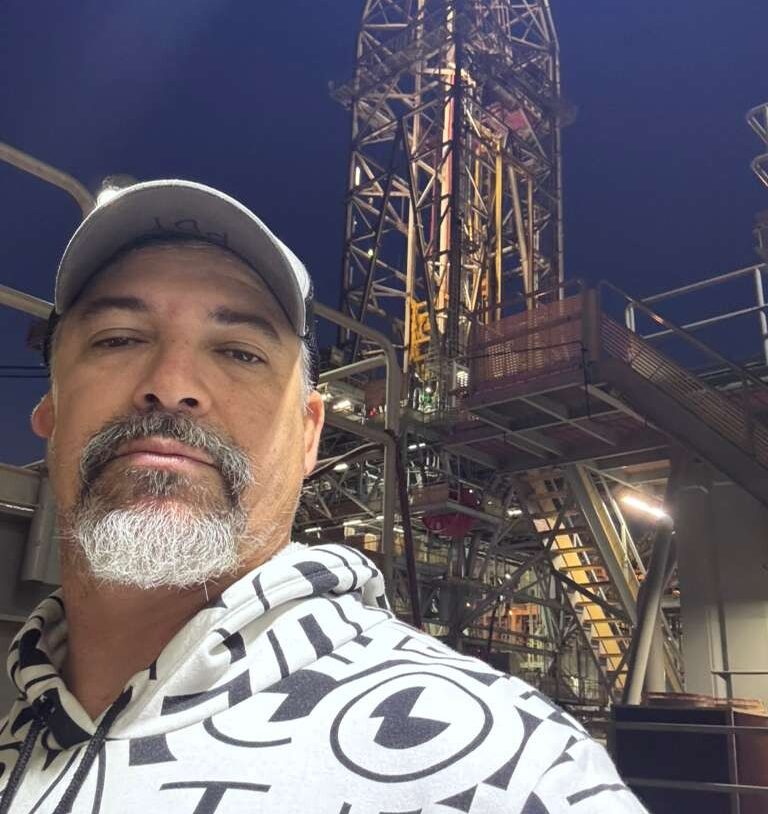
His late father, also called Paul, was from Louisiana, and had also gone to sea when he was younger, as had several of Trahan’s Caymanian relatives, so he says the sea is in his blood from both the Cajan and Cayman sides of his family. His mother, Naomi Christian, is from West Bay in Cayman.
The younger Paul, better known to friends in Cayman as ‘Stan’, says he considers the work he does as a “modern continuation of Caymanian seafaring”.
“It’s got the same kind of emotional heartbeat, I guess, of Caymanian family life for the last 150 years – the sadness when leaving home, and then you get pride for making money for your family.”
Just like the mariners of old from Cayman, Trahan faces some of the same challenges, like treacherous weather, high seas and delayed returns to shore.
“It can get bad,” he said of the weather late last week. “We just had a front pass through. It’s just like being on a boat sometimes. Even though it’s such a big oil rig, it’s basically floating on those four columns, like four cans floating in the sea. It gets rocking and rolling sometimes.”
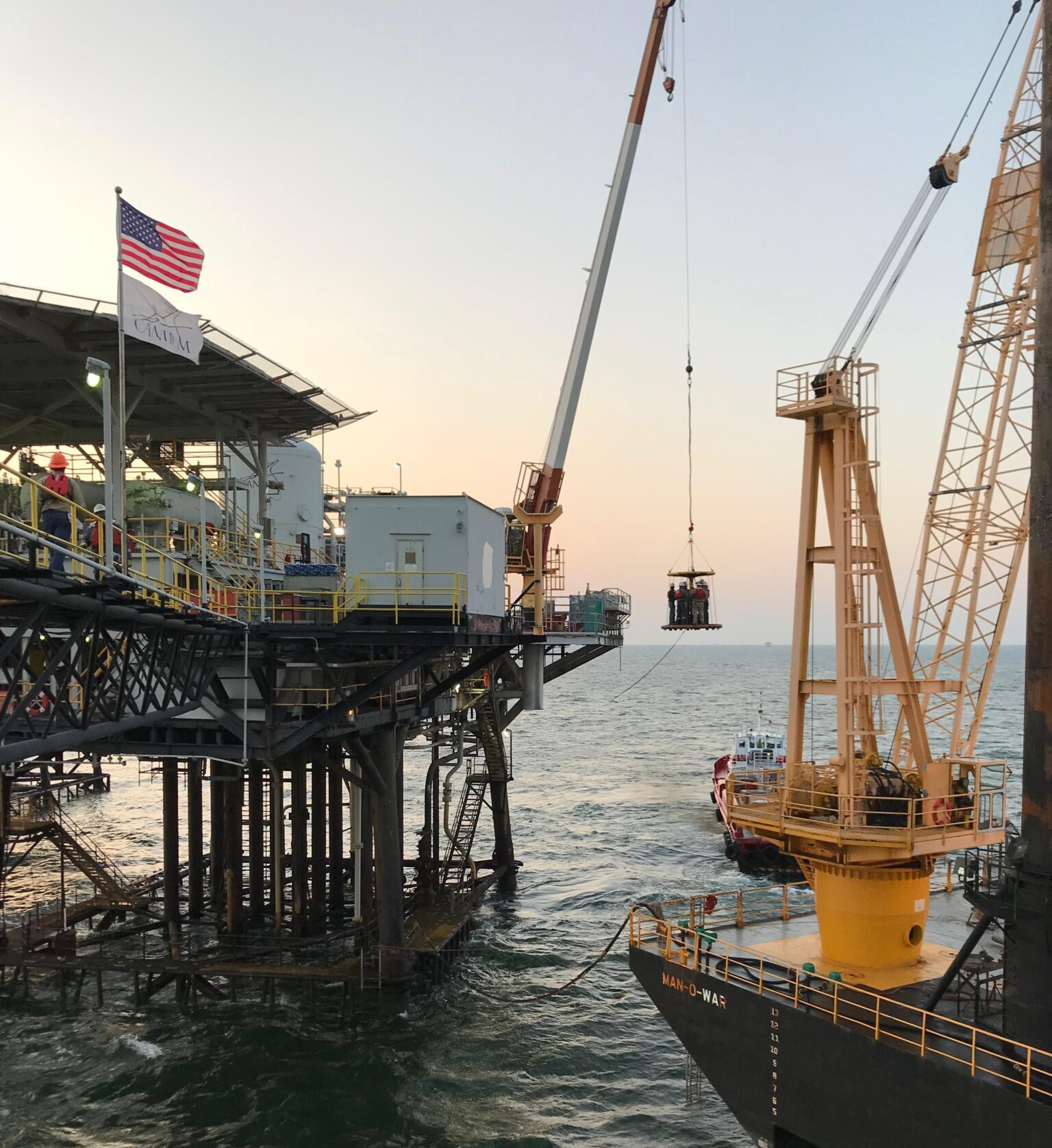
Trahan works as a contractor on the construction side of oil rigging, doing industrial installation of pipes, vessels and the various components of a rig.
Before turning to this sort of work, Trahan says he “lived a couple of lives,” working for government in Cayman, in the Ministry of Education, Employment and Gender Affairs, and before that, “trying to make it rich by playing in a band”.
Among the bands he played in were Cloudburst and Big Eye Squirrel, named after the squirrel fish that is ubiquitous in Cayman waters. Big Eye Squirrel was one of the bands that opened for Alicia Keys when she performed in the Cayman Islands Jazz Festival in 2009.
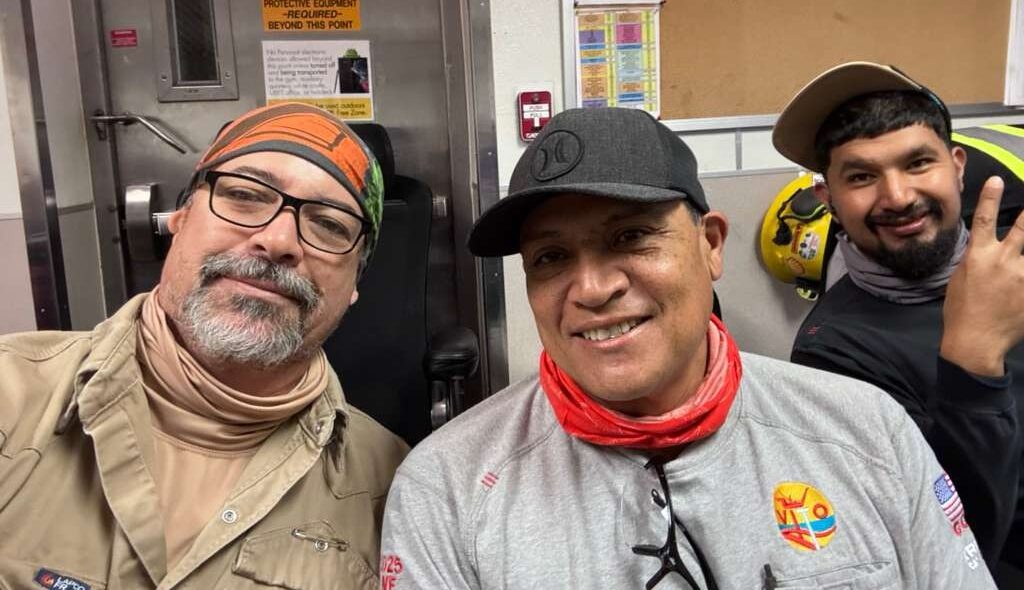
Trahan says one of his favourite things about his job is the variety of people he meets from all over the world. On his current crew, he said, there are people from Mexico, Venezuela, Yugoslavia and Nigeria. “It’s a little like Cayman in that way,” he said.
‘Adventurous’
He says the job on the rigs can be “adventurous”, citing one instance of leak of hydrogen sulfide, or H²S, which can be deadly. “We all had to gather at the muster area. It was a tense moment. Everyone was pretty stressed. You could hear a pin drop,” he said.
He’s witnessed some other dangerous moments, like seeing a co-worker, who’d been fishing off a rig on the nearer-shore ‘shelf’, get dragged into the water by a shark, but who was safely rescued. Another colleague also had to rescued from the water when he was working under a heavy-duty tank in rough weather when a faulty valve released dangerous chemicals.
“So, yeah, there are hazards. That’s why ‘safety, safety, safety'”, he said, adding that there are many safety briefings for the workers.
“You know where the nearest route to get to the muster area, to get to the lifeboat, to get to the eyewash station, the shower,” he said, as well as how to raise the alarm if there is a leak or a flare and an area needs to be shut down, or if someone falls overboard.
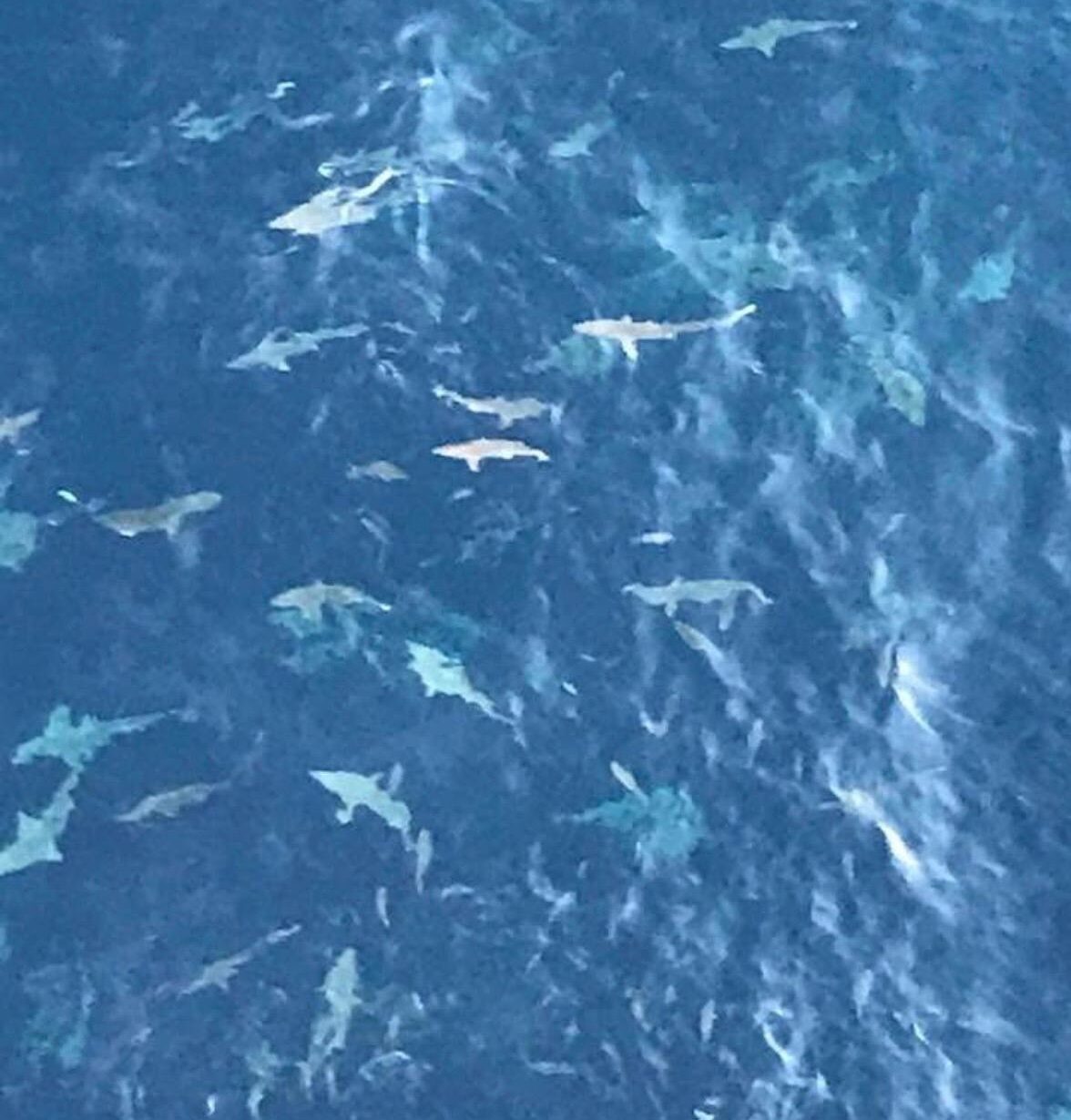
He and his colleagues undergo strict safety training and procedures, including in-water exercises of how to escape from a downed helicopter out at sea.
The workers are transported back to shore, or ‘the beach’, as they call it, by helicopter, when their fortnightly shifts are over.
Asked if he planned to remain in oil rig work for years to come, he says he doesn’t know. “I’m just gonna go with the flow,” he said. “But I swear, every time that I come out, I say this is my last one, and I always end up back out there.”
Avenue for Caymanian workers?
Trahan says he has only encountered two other Caymanians who work on oil rigs: his brother Robert and another man, whose grandfather was from Boggy Sands in West Bay, who grew up in Louisiana.
But he thinks it’s a trade that young Caymanians would work well in, and that could provide them with steady work and a bright future.
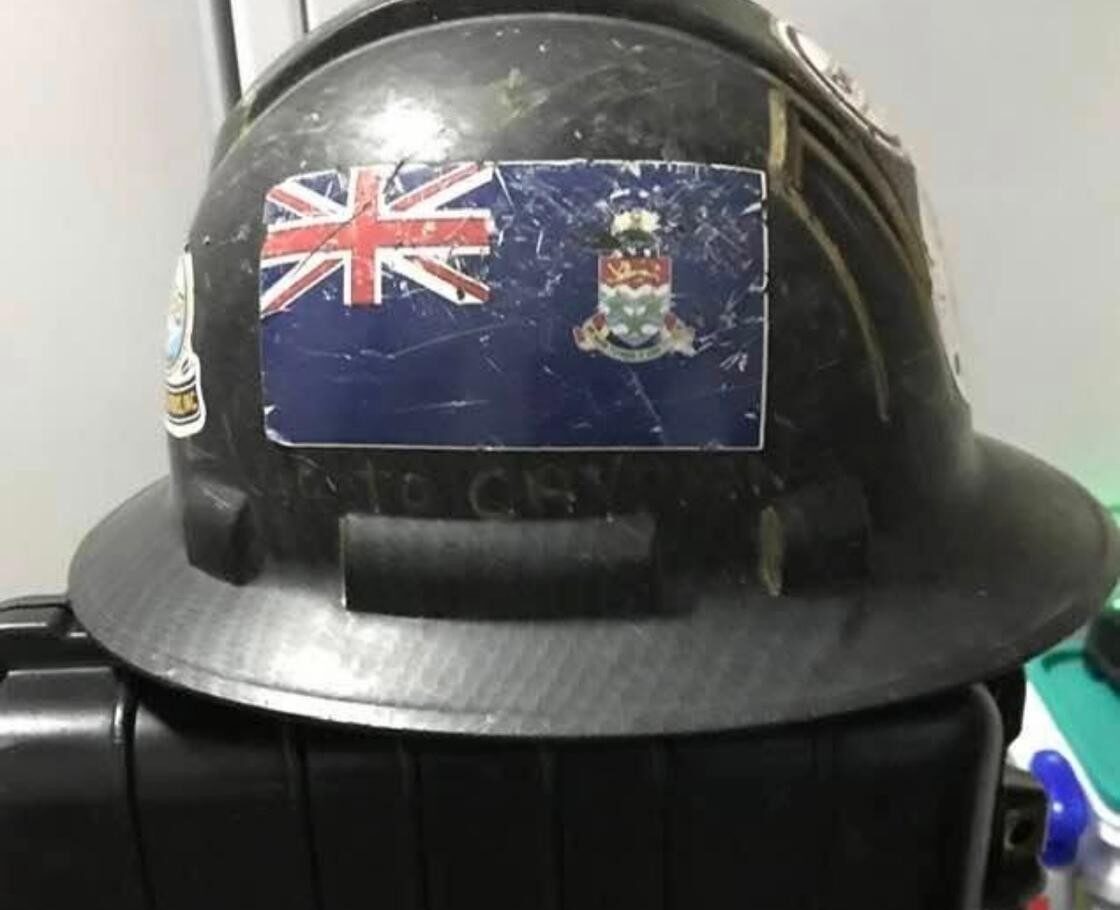
“I would like to be able to help young Caymanians to get involved with the industry, because I know employment is an issue for younger folks, and this is something that is guaranteed – it’s work that is always there,” he said.
“They need engineers, they need operators, they need logistics. They need galley hands. There’s many different positions. I would like to see government explore getting young Caymanians involved with that. And if I could help with that, I’d do it.”
Related Videos







I did not know that these opportunities still exist. This would be good for young able bodied people who want to do a different type of work, or someone who wants to do marine engineering at University level other technical work on ocean going vessels..
Go deh Stan, represent 345. Stay safe!👊
I did this for 10years working in the North Sea and Trinidad. Was a wonderful job and its not for everyone.