

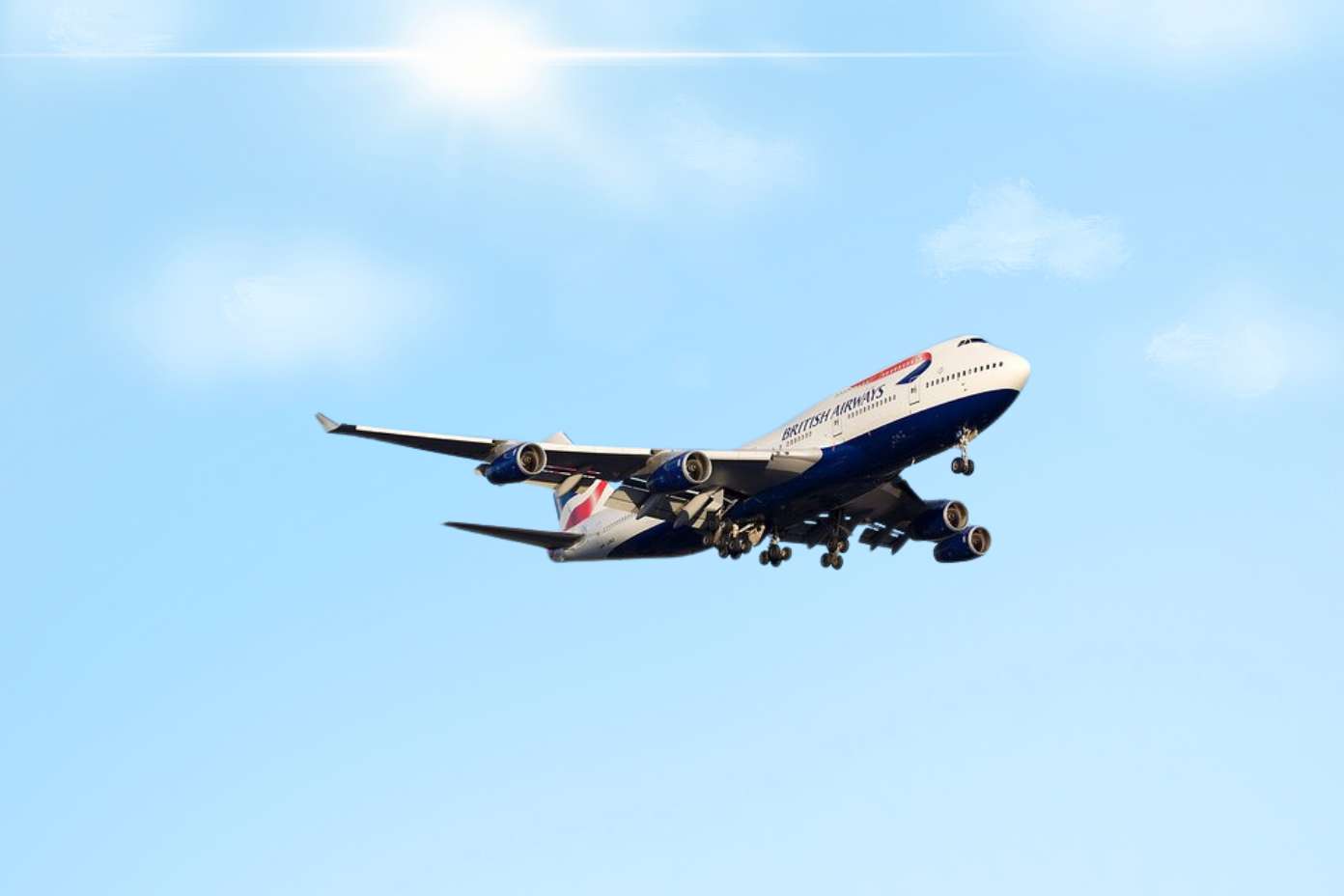
Some passengers who travelled on British Airways flight BA253 on 22 May are reporting that their US Electronic System for Travel Authorization – or ESTA – approvals were revoked in the days following an Ebola-related public health incident involving the flight.
Several passengers and travel industry sources told the Compass they received automated notifications from US authorities stating that their ESTAs were no longer valid after travelling on BA253 from London Heathrow to Grand Cayman on 22 May.
The flight, which routinely stops in Nassau before continuing to Cayman, was detained there after two passengers were identified as having recently travelled from the Democratic Republic of the Congo.
The incident comes amid heightened global concern over a worsening Ebola outbreak in Central Africa and a tightening of border measures by several countries, including the United States, Canada and The Bahamas.
While no confirmed Ebola cases have been linked to the flight and Bahamian officials have repeatedly said the public risk remains low, the apparent revocations have created confusion and anxiety among passengers who now fear disruptions to future travel plans.
The Compass has not independently verified the total number of affected passengers, and US authorities had not responded to requests for comment up to publication time.
According to several passengers interviewed on condition of anonymity, the notifications began arriving on Saturday, 23 May, one day after the flight.

“I just got an email saying the ESTAs had been revoked,” one passenger said. “It was only me and my two kids that were on the plane. My husband and my other child were not on the plane, and it didn’t happen to them.”
One person said her brother-in-law, who had also been on the British Airways flight, later had his ESTA revoked, while additional reports were received of two more BA253 passengers facing the same issue.
Another traveller said her husband, who had been on the flight but did not have an ESTA, is due to travel to the US in two weeks and now fears he could be denied authorisation and unable to travel.
One traveller whose ESTA was revoked said she also knew of another family facing the same situation. She added that she had exchanged contact information with a Canadian passenger while they were being detained in Nassau and later learned he had been prevented from checking in for a US-bound flight, despite not requiring an ESTA.
A Cayman-based travel agent, who asked not to be identified because she was not authorised to speak publicly, said multiple passengers connected to the flight had contacted her agency reporting revoked ESTAs.
“They just got an email from TSA saying there’s been an update to your ESTA,” the agent said. “When they checked, it had been revoked. And once it’s revoked, the message says not to apply for another ESTA and that the only way you can travel to the US is to apply for a full visa.”
Under the US Visa Waiver Program, travellers from eligible countries can enter the United States without obtaining a visa if they have an approved ESTA. Revocation of that authorisation can prevent travellers from boarding flights to or through the United States.
The situation could create major complications for Cayman residents, who must travel to Jamaica for in-person US visa appointments. As of 27 May, the next available appointment date was in November.
Affected passengers may be able to file a DHS TRIP inquiry through the US Department of Homeland Security, a process that could allow them to explain they were simply passengers on the flight and had not been infected with or exposed to Ebola. However, the travel agent noted that DHS TRIP cases can often take months to resolve.
There are also concerns that some passengers who have not checked their email may not realise their ESTAs have been revoked until they arrive at the airport.
“It’s cost people a lot of money already,” the travel agent said. “People could turn up at the airport and suddenly find out they can’t fly.”
Neither the US Department of Homeland Security nor US Customs and Border Protection has publicly confirmed that the ESTA revocations were linked to the Ebola-related detention. However, during a 27 May briefing, Secretary of State Marco Rubio said the US “cannot and will not allow” Ebola cases into the country.
In a 23 May update, the Centers for Disease Control and Prevention said the US had temporarily restricted entry for certain travellers recently in the Democratic Republic of Congo, Uganda or South Sudan. US citizens and nationals remain eligible to enter but are subject to enhanced public health screening.
Canada and The Bahamas have announced temporary entry restrictions and quarantine measures for travellers from affected regions.
The broader international response to the outbreak has intensified rapidly in recent days.
The World Health Organization has declared the outbreak involving the Bundibugyo strain of Ebola a Public Health Emergency of International Concern. As of 21 May, health officials had reported hundreds of suspected cases and deaths in the Democratic Republic of the Congo, along with confirmed cases in Uganda.
Despite the growing restrictions, health authorities continue to stress that Ebola is not airborne and spreads through direct contact with bodily fluids from a person actively showing symptoms.
Related Videos







We need to ban any people from the countries with borders to the country where the outbreak began from travelling to Cayman. “Screening on arrival” is not going to work. If we do get a case here then no Cayman resident will be able to visit the U.S.
Yet, Brac residents are travelling to Kenya this weekend and coming back to the Brac. #MakeItMakeSense