As the single-engine plane dipped over the Greenland ice cap, Dr. Yaron Rado could see only a sliver of daylight separating the sky from the vast expanse of ice.
“The picture that touches me the most is just a picture of white on the top, white on the bottom, and a sliver of light blue in the middle,” he said, describing the challenge of passing through terrain where distinguishing between land and sky required constant vigilance.
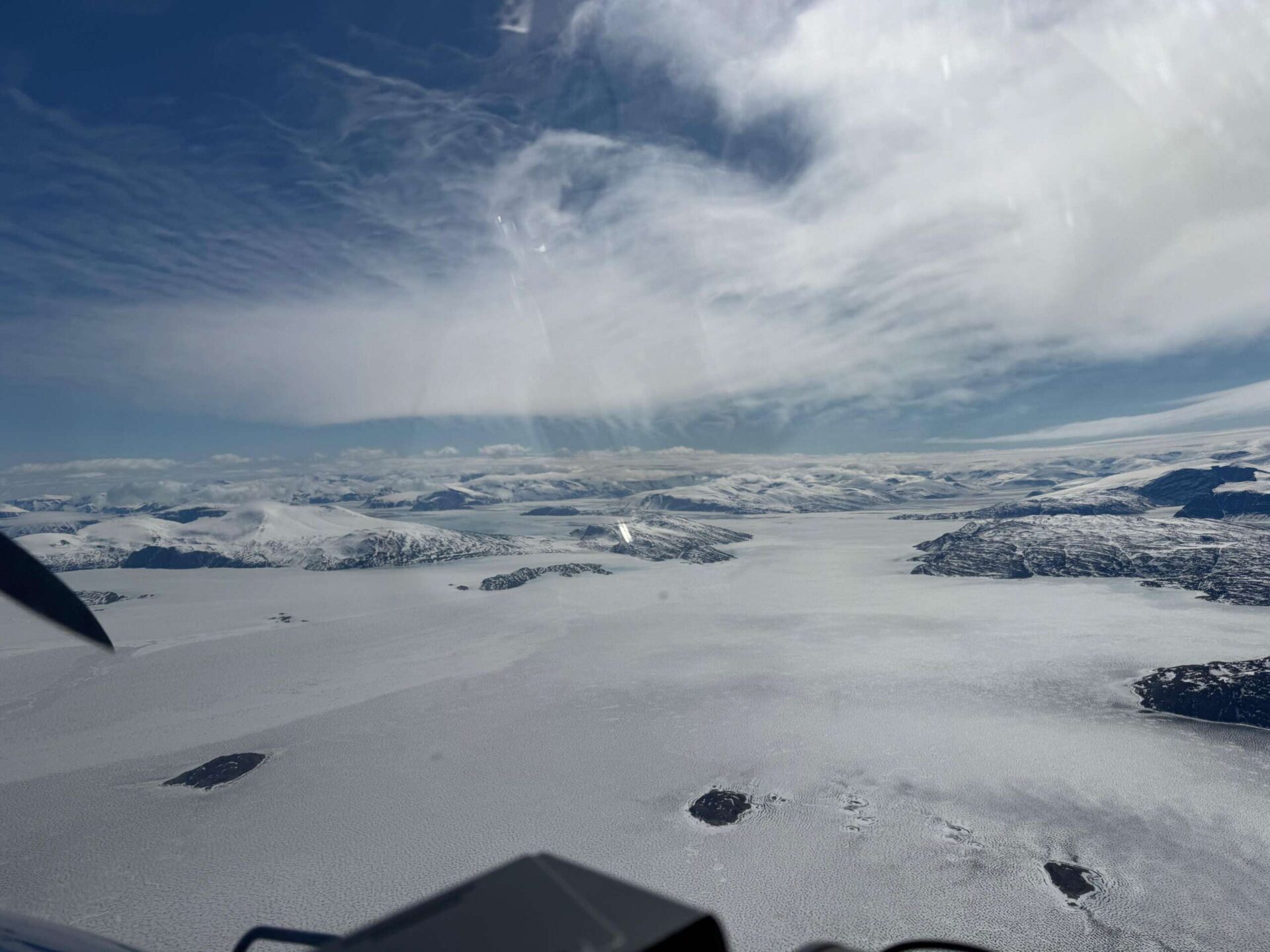
“We felt we were in between the moisture, in between the clouds, and we could see our pathway to get through it. It was like seeing the heavens gate.”
The image wasn’t just visually stunning. It was life preserving.
Rado said, usually, if difficulties are encountered during a flight, “there’s a way out, but, in the ice cap of Greenland, you don’t have that”.
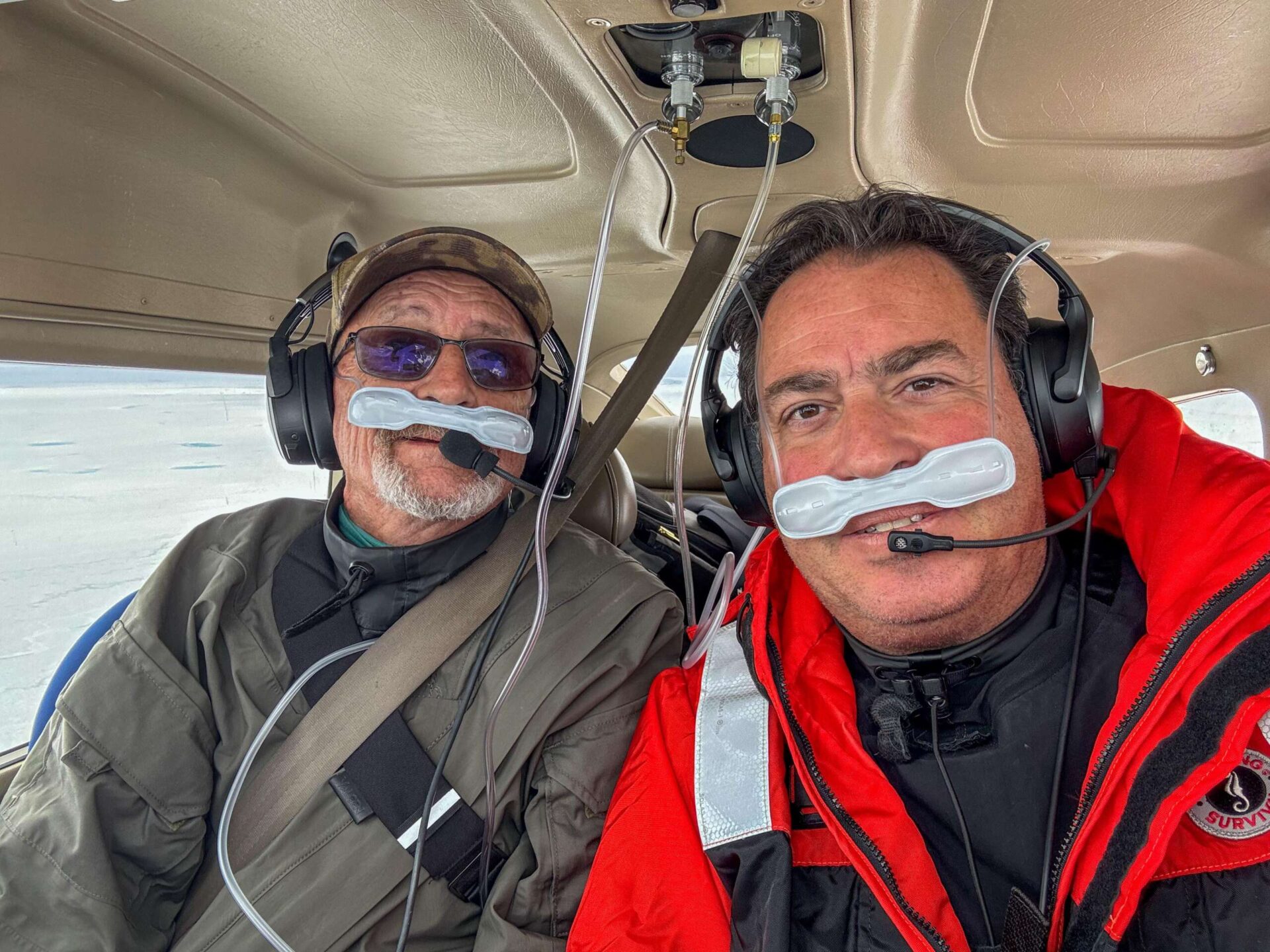
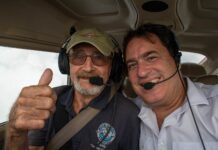
The chairman of Doctors Hospital flew for 55 hours over 10 days to make the 6,000 nautical mile journey with his friend and co-pilot Rudy Kudritzki from Cayman to his home in Germany.
He aims to make the return journey on Monday, 13 July. The daring round trip is both a personal adventure and a fundraising endeavour.
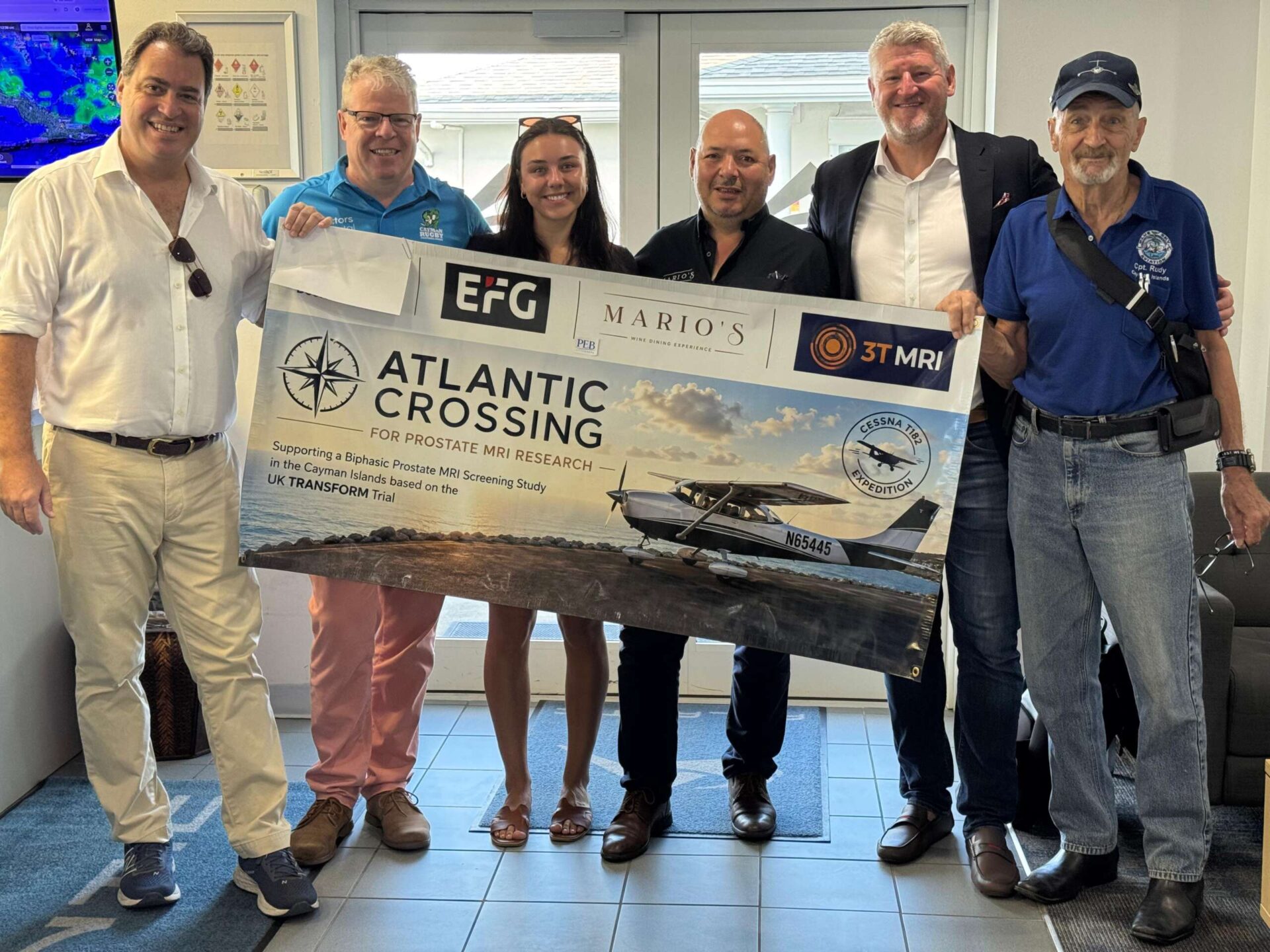
Rado, the chief radiologist at Doctors Hospital, is raising money for a Cayman-based clinical trial of a new methodology to improve early detection of prostate cancer. He believes the process could be a game changer for men’s healthcare in Cayman.
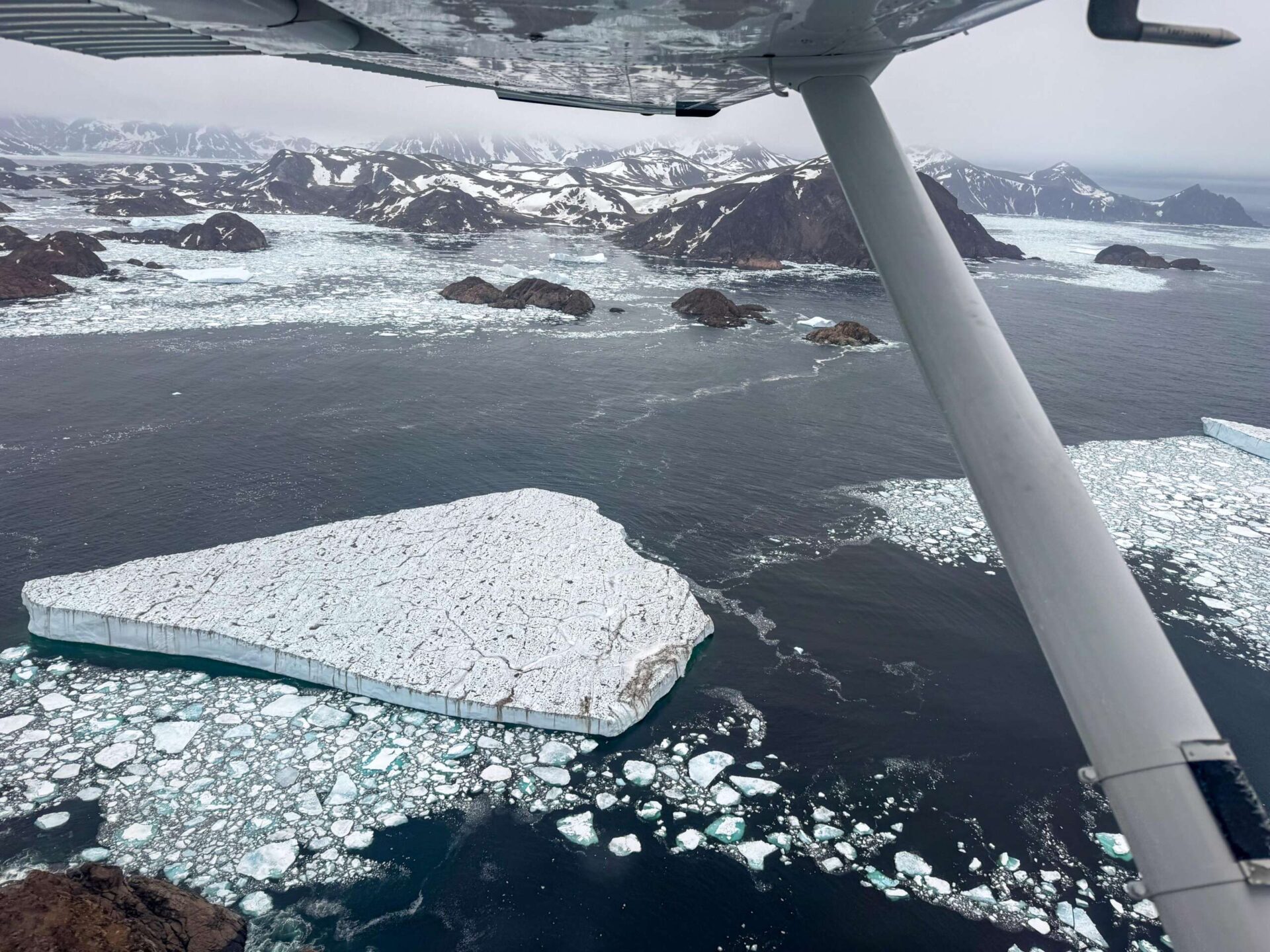
Rado, 54, only learned to fly three years ago. He said the experience of piloting a single-engine plane over such diverse landscapes was unlike anything in his flying career to that point.
“It is spectacular, because you’re so close to everything, and you fly so much lower,” he said.
“You can feel the miles in a way that you don’t in a jet, when you’re just up there watching your Netflix.”
The long way round
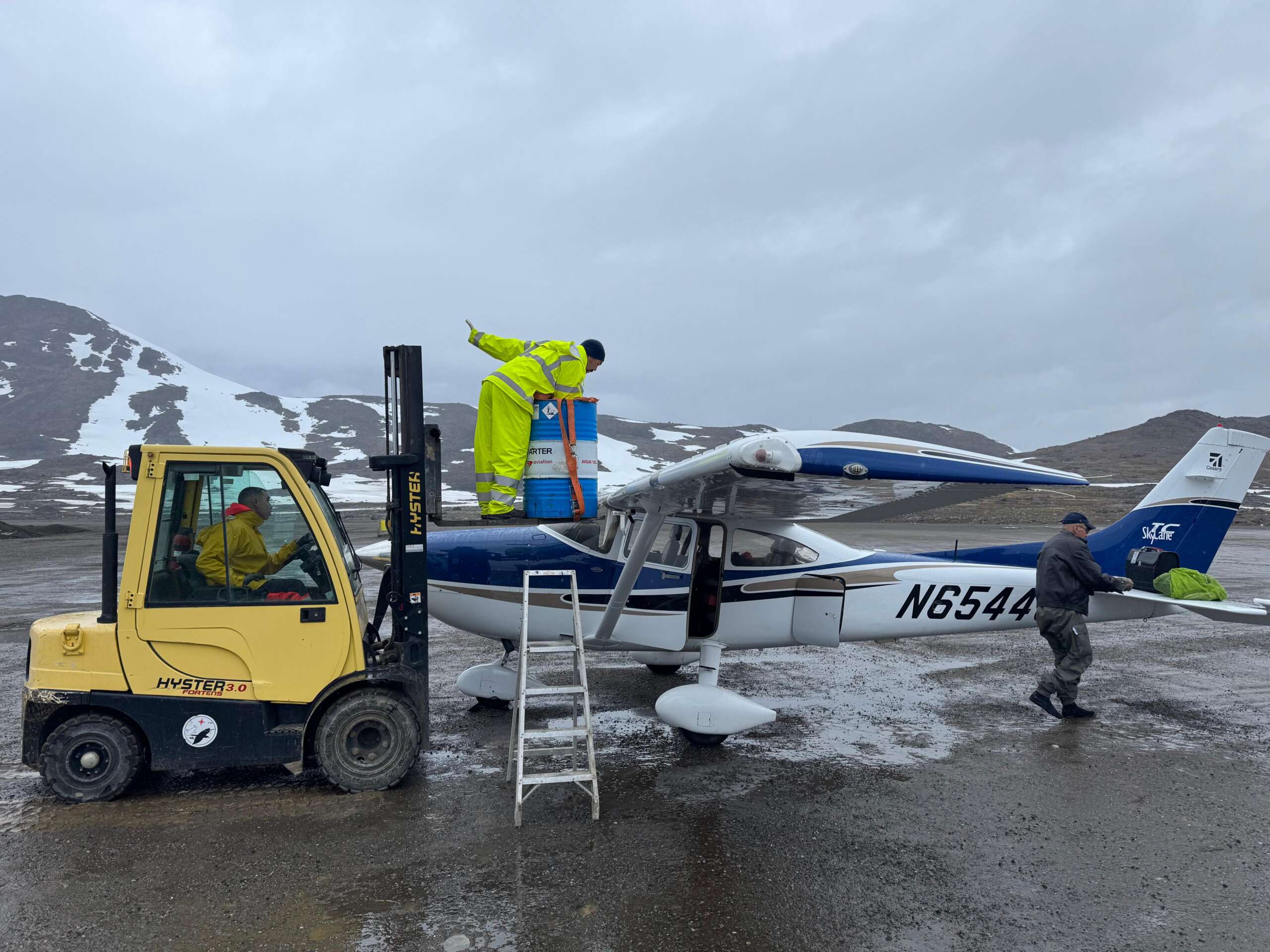
The plane itself is a Cessna 182 first built in the 1950s and still flying in broadly the same form. It cruises around 120 knots and can’t carry enough fuel for a direct Atlantic crossing.
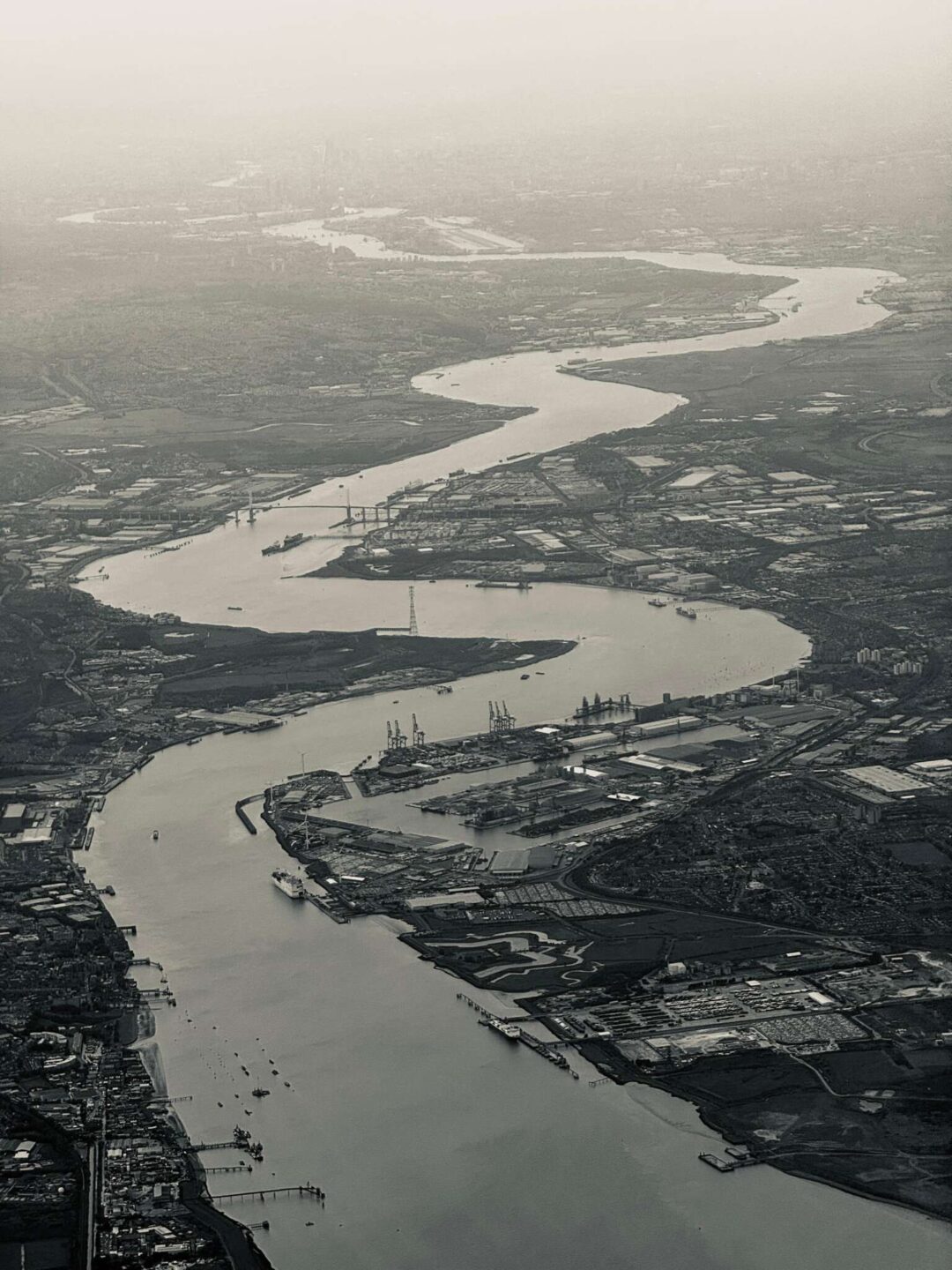
The duo made a string of fuel stops, hugging the coastline of the eastern seaboard of the Americas and touching down in Goose Bay and Iqaluit Bay in Canada as they passed the roof of the world.
Things got trickier leaving Greenland, bound for Reykjavík, Iceland. Headwinds of 55 knots, against a climb speed for the aircraft of around 80 knots, meant the plane was barely moving relative to the ground below.
“If the wind doesn’t abate, then we have to go back, because we’re actually going nowhere,” Rado said.
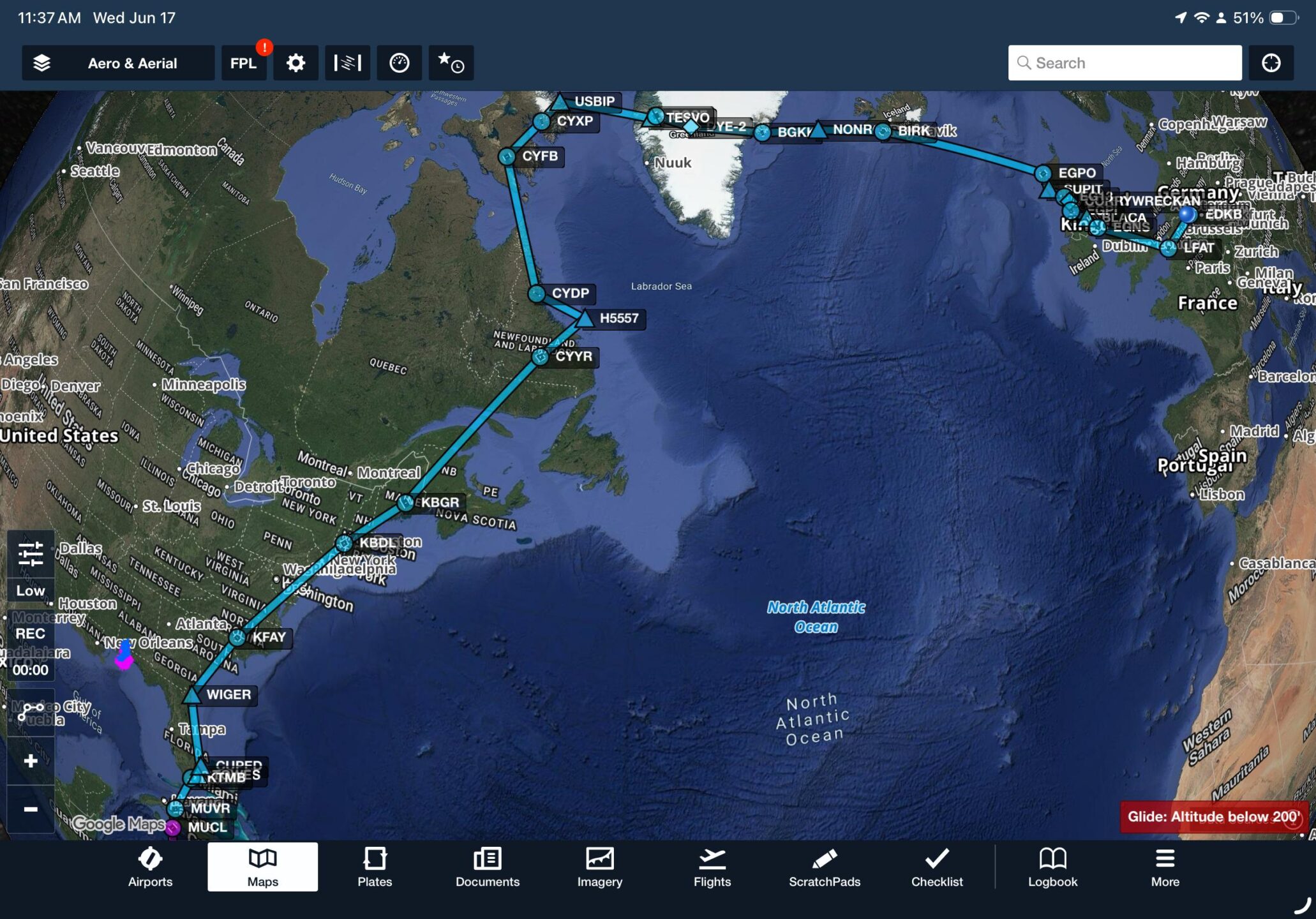
Rado is now spending time in Germany with his family. He secured a handful of sponsors for the trip and has raised pledges of roughly $15,000 so far, from supporters donating per mile flown. He estimates he’ll have covered close to 12,000 nautical miles in the round trip.
He hasn’t collected any of the funds yet, as the study still requires regulatory approval from Cayman’s Health Practice Commission.
The aim is to test whether MRI screening for prostate cancer paired with a PSA blood test works as effectively in Cayman’s mixed and Caribbean population as it has in largely white study cohorts elsewhere, including the UK’s ongoing “Transform” study.
A study like this wasn’t possible in Cayman until recently. Rado said Doctors Hospital has cut the cost of the MRI scan, and Cayman patients now have access to the only MRI-guided biopsy robot in the Caribbean, allowing doctors to biopsy a suspicious area found on a scan directly, rather than being unable to act on it.
He said the hospital is well positioned to lead a serious study that could pave the way for new strategies to fight a disease that disproportionately impacts men of Caribbean origin.
He believes the technology could be a game changer for men’s healthcare on the island, in the way MRI and mammography have already transformed early detection of breast cancer.
A full pilot study to test roughly 100 patients would cost between $200,000 and $250,000. The current pledges would fund a smaller-scale pilot to prove the concept.
For Rado, the trip has a dual purpose. Working in healthcare he is constantly reminded that life can be short.
On a personal level, the trip re-affirmed his belief that life is an adventure to be pursued.
“Don’t wait for your life,” he said. “The thing is, your life will not always give you the opportunity, there’s always somebody who wants something of you, and responsibility that you need to carry.”
Related Videos