With foodborne parasite infections surging across the United States, Foster’s Supermarket says it has contacted its produce supplier to verify food safety measures, even as Cayman health officials stress there is no evidence residents face an increased risk.
The move follows a sharp rise in US cases of cyclosporiasis, an intestinal illness caused by the microscopic parasite Cyclospora cayetanensis. The parasite is most commonly transmitted through contaminated water or fresh produce.
“Food picks up the parasite most often through water supplies that are infected with human feaces (poop),” said the Ministry of Health in a statement released on 16 July. “Diarrhoea is the main symptom and can be acute or last for weeks or months if untreated.”
Previous outbreaks globally have been linked to produce that Cayman imports, including cabbage, raspberries, parsley, basil, cilantro, leafy greens, broccoli, snow peas and sugar snap peas, although investigators do not always identify a single source.
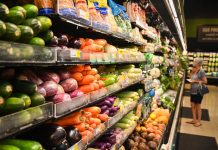
While there is no indication that produce sold in the Cayman Islands is unsafe, the United States outbreak has prompted Cayman’s largest local food retailer to review supplier safety measures and government officials to closely monitor developments because most of the Islands’ fresh produce is imported from the US.
Foster’s said it has been in direct communication with its produce supplier, Florida-based Sun Commodities Inc., regarding the outbreak.
“We are actively monitoring the situation and are in close contact with our supplier to ensure existing protocols are being followed,” the supermarket said. “We’re prepared to adjust sourcing or add additional verification steps if warranted by developments.”
The supermarket said its supplier has confirmed it maintains a comprehensive food safety programme that complies with US Food and Drug Administration regulations, the Food Safety Modernization Act, US Department of Agriculture and Centers for Disease Control and Prevention guidelines, as well as Global Food Safety Initiative standards. The supplier has also reinforced its supplier verification activities.
According to Foster’s, the supplier’s food safety controls include ongoing supplier performance monitoring, Global Food Safety Initiative standards for growers, packers and processors, and traceability and lot-tracking systems designed to enable rapid identification of products should a food safety issue arise.
The retailer added that, internally, it continues to carry out standard quality assurance procedures, including cold-chain monitoring and bulk washing of produce.
“We remain committed to maintaining strong preventative controls throughout our supply chain and will continue to take all reasonable measures to protect our customers and consumers,” said Sun Commodities’ quality assurance director, Carlos Gomez in a letter provided to Compass.
One travel-related Cayman case
The Ministry of Health, Environment and Sustainability and the Public Health Department said only one confirmed case of cyclosporiasis has been identified in Cayman this year.
Officials said the case was associated with recent travel and is believed to have been acquired outside the Cayman Islands. There is no evidence of local transmission or an outbreak.
Chief Medical Officer Dr. Hilary Wolf said the situation in the United States does not currently represent an increased threat to Cayman residents.
“At this time, there is no evidence to suggest that the recent increase in cases reported in the United States presents an increased risk to the residents of the Cayman Islands,” she said.
“The Cayman Islands Molecular Biology Laboratory has diagnostic capability to detect cyclospora infection, and we continue to monitor information provided through international health partners while maintaining heightened surveillance and public health monitoring protocols.”
Health officials emphasised that there is currently no recommendation for consumers to avoid purchasing or eating fresh fruits and vegetables.
Thousands of US cases under investigation
The US-based Centers for Disease Control says it has received reports of 1,645 confirmed domestically acquired cases of cyclosporiasis since 1 May and is aware of more than 5,100 additional cases that require further analysis to determine whether they were acquired within the US.
As of 13 July, 141 people had been hospitalised, no deaths had been reported and cases had been identified in 34 states.
The agency says several states are reporting substantially more cases than during the same period last year.
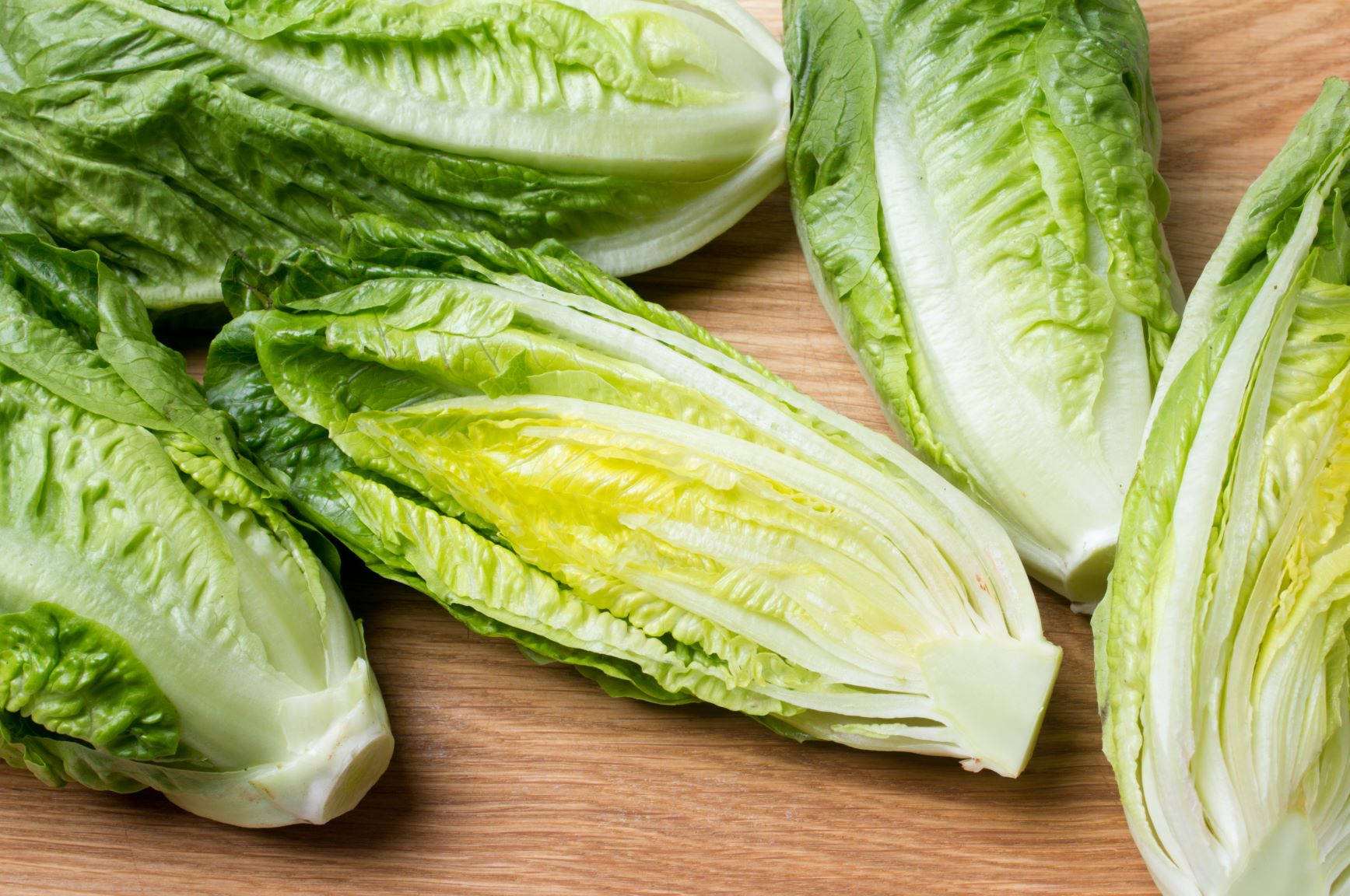
Michigan health officials said that their investigation currently points to lettuce or salad greens as a potential source of one outbreak, although they cautioned that the findings are preliminary and other food items have not been ruled out. No specific grower, brand or supplier has been identified.
Dr. Eryka Simmons, Cayman’s acting medical officer of health, said, “The driving force for this year’s increase in cyclosporiasis is unknown, and whilst no specific food item has been identified as the source of infection, nor a specific brand or seller of food, the CDC has advised that lettuce or salad greens, especially pre-packaged salads, are potential sources for the infection.”
She encouraged residents to practise good hand hygiene and to wash all fresh produce thoroughly before eating it, including produce labelled as pre-washed.
Inspection safeguards remain in place
Department of Environmental Health Director Richard Simms said Cayman has established inspection procedures for imported produce.
He said environmental health officers verify refrigeration temperatures during transport and storage to maintain the cold chain and work closely with the Department of Agriculture whenever concerns are identified.
Any spoiled, mouldy or contaminated produce detected during inspections is condemned and destroyed under official supervision, he said.
Symptoms and how to reduce your risk
Cyclosporiasis is a parasitic intestinal illness that can cause prolonged diarrhoea, nausea, vomiting, stomach cramps, bloating, fatigue, loss of appetite and weight loss. Although symptoms can last for weeks or months if left untreated, the illness is treatable and most people recover with appropriate medical care.
Health officials say residents should continue eating fresh fruits and vegetables but take routine precautions, including washing all produce thoroughly under running water, even if labelled pre-washed, practising good hand hygiene, refrigerating fresh produce promptly and cooking foods thoroughly where appropriate.
People should also drink bottled or properly treated water if the safety of the water supply is uncertain, pay attention to official food recall notices and seek medical advice if they develop persistent diarrhoea or other symptoms consistent with cyclosporiasis, particularly after recent travel or consuming fresh produce.
Related Videos