The United States’ rapidly expanding cyclosporiasis outbreak has now spread to nine states and triggered a recall affecting products distributed through Taco Bell, Walmart and Sysco. Despite the widening outbreak, Cayman health officials say there is still no evidence of increased local risk while urging residents to wash all fresh produce before eating it.
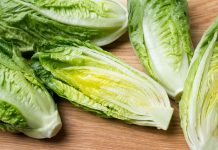
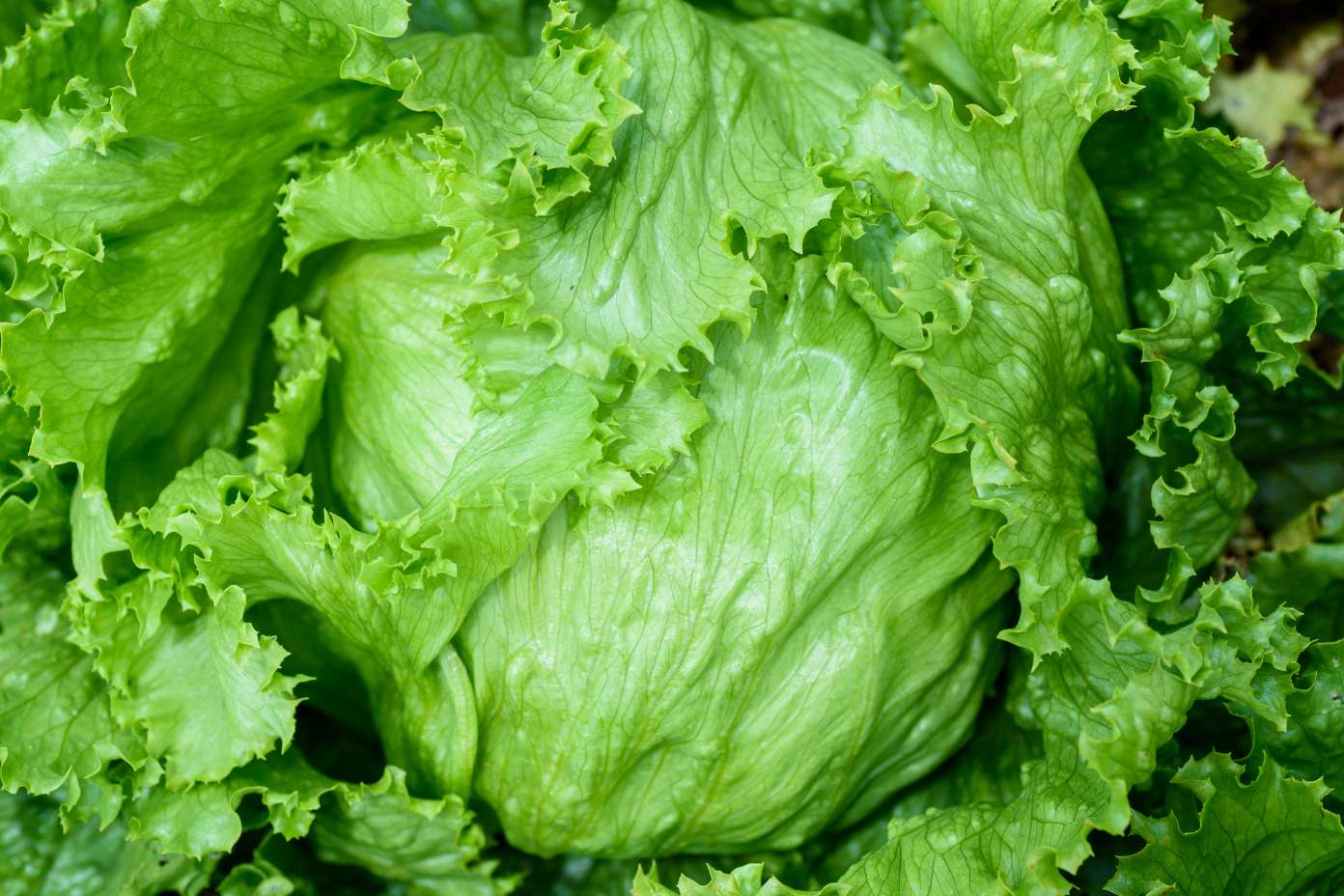
The US Food and Drug Administration announced on 24 July that epidemiological evidence collected by the Centers for Disease Control and Prevention overwhelmingly points to Taylor Farms iceberg lettuce grown in Mexico as the source of the outbreak among Taco Bell customers.
The FDA explicitly states that its “traceback investigation identified convergence on a single supplier, Taylor Farms de Mexico, that provided shredded iceberg lettuce used by Taco Bell locations where sick people ate before becoming ill.”
The development marks a significant shift from earlier investigations, when health authorities had not identified a specific food or supplier responsible for the spike in infections.
According to the latest figures, nearly 2,000 people who reported eating at Taco Bell have been linked to the outbreak across nine states. Several states are also reporting thousands of additional cyclosporiasis cases beyond those directly associated with the fast-food restaurant chain.
CDC data show at least 4,173 confirmed domestically acquired cases in the US since 1 May, compared with just 249 during the same period last year.
Risk to Cayman remains low
Despite the worsening US outbreak, Cayman’s Chief Medical Officer Dr. Hilary Wolf said the local situation remains unchanged.
“While cases of cyclosporiasis are continuing to rise in the US, there has been only one reported case here in the Cayman Islands and we can confirm that the patient is now fully recovered and no further cases have been detected,” Wolf said in response to questions from the Compass on 24 July.
She added that there is currently “no evidence to suggest that the recent increase in cases reported in the United States present an increased risk to the residents of the Cayman Islands.”
The one case in the Cayman Islands was associated with recent overseas travel and contact with the parasite happened elsewhere.
Authorities said enhanced surveillance remains in place and urged residents to continue practising good food safety.
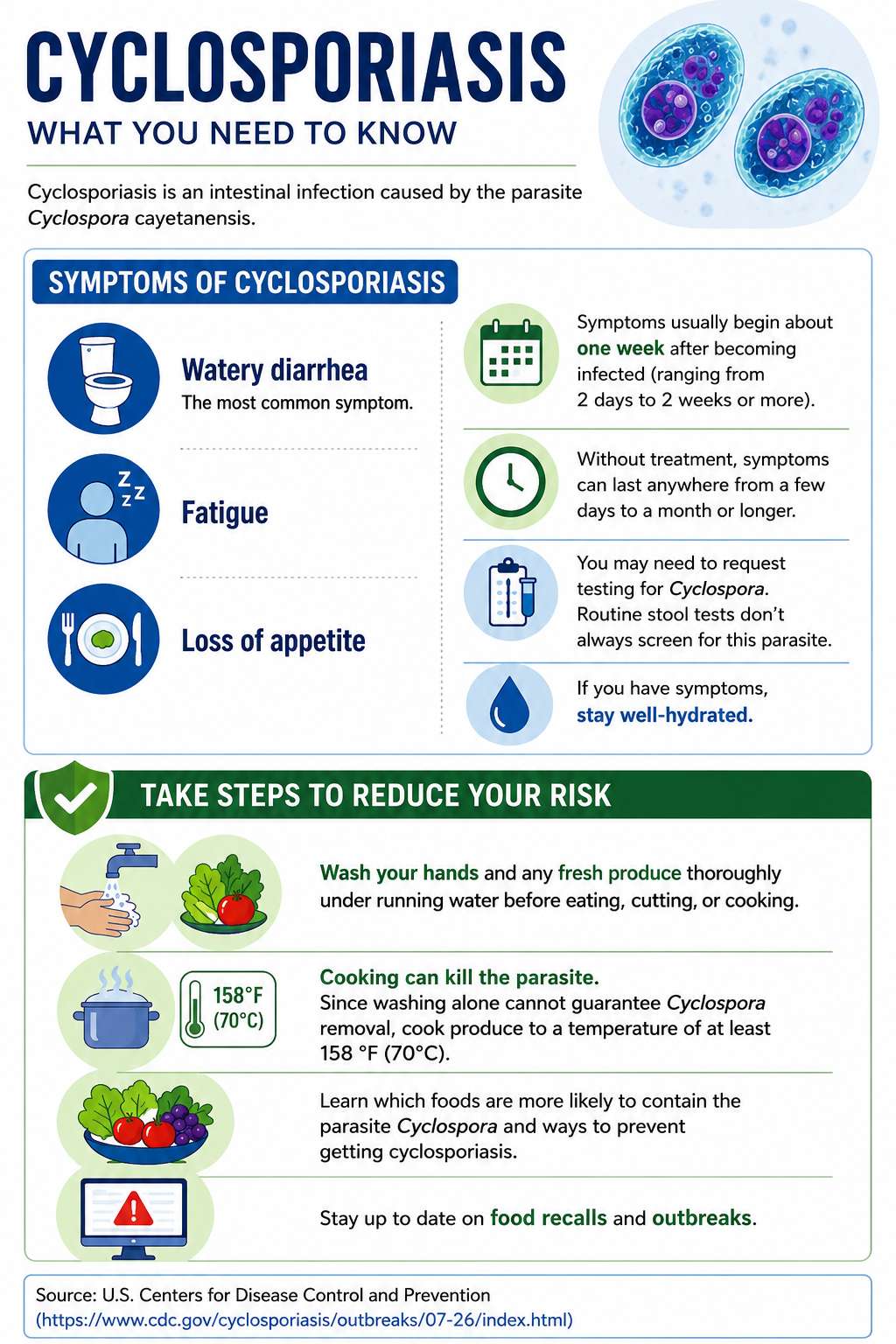
“We encourage the public to remain vigilant, increase their adherence to hand hygiene practices and wash all fresh produce before consumption, even if they are pre-packaged,” Wolf said.
Medical Officer of Health Dr. Eryka Simmons said the increased number of cases in the United States serves as a timely reminder for Cayman residents to take extra precautions, particularly during the busy summer travel season.
“Given that summer is a peak travel period, the potential risk of infection also increases,” Simmons told the Compass, urging residents to “increase their adherence to hand hygiene practices.”
She noted that careful food handling remains one of the most effective ways to reduce the risk of infection and added that there is no recommendation to avoid eating out.
Simmons said public health surveillance has not detected any recent rise in gastroenteritis cases. While more people are being tested for gastrointestinal illnesses, she said the proportion of positive test results has remained stable, suggesting there has been no underlying increase in illness.
She added that Public Health continues to monitor food-borne diseases on a weekly basis, tracking all confirmed cases where a pathogen has been identified.
Simmons also sought to reassure consumers about the safety of Caribbean-grown produce, saying there is currently no evidence linking the outbreak to produce grown in the Caribbean.
The Department of Environmental Health also said it continues to closely monitor imported produce and maintains routine inspections, including cold-chain monitoring and collaboration with the Department of Agriculture when concerns arise.
Cayman’s largest supermarket, Foster’s, previously told Compass it had contacted its Florida-based produce supplier, Sun Commodities, after the US outbreak emerged. The retailer said it remains prepared to adjust sourcing or introduce additional verification measures if necessary and stressed that its supplier maintains food safety programmes compliant with US regulatory standards and Global Food Safety Initiative requirements.
Related Videos