Heart disease is the number one killer in the United States, responsible for one out of every 2.5 deaths.
Cardiovascular disease includes diseases of the heart and blood vessels. Most heart and blood vessel problems develop over time and occur when arteries develop atherosclerosis, the gradual buildup of plaque inside the arteries.
Left unchecked, significant plaque buildup can lead to reduced blood flow through the arteries and eventually to blood clots that occur when plaques rupture. Ultimately, it is the effect of clots on the flow of blood to the heart or brain that can lead to a heart attack or stroke.
A number of risk factors, from hereditary genetic conditions to entirely controllable habits like smoking and a poor diet, contribute to the onset of cardiovascular disease. High cholesterol, high blood pressure, limited physical activity, obesity, diabetes and tobacco use are all risk factors for heart disease. Through a combination of treatments and healthy lifestyle choices, the risk of heart disease and stroke can be significantly decreased.
What exercise best improves my heart’s health?
Aerobic exercise, including brisk walking, jogging, biking, swimming or using a treadmill or Stairmaster is best. Ask a physician’s device before beginning an exercise such as weight lifting.
Is a high heart rate dangerous during exercise?
Generally speaking, a fast heart rate is not dangerous unless you already have heart disease. But watch for signs of trouble including chest discomfort or shortness of breath. If you have a history of heart problems consult a physician before starting an exercise program.
How can nutrition and exercise help me avoid heart disease?
Proper nutrition and low cholesterol levels, along with regular exercise, are central to a healthy heart. Limit fatty or high cholesterol foods and try to get 45 minutes to an hour of aerobic exercise every day. Such simple steps can often help prevent heart disease or halt its progression.
If heart disease runs in my family, what screening should I have?
Blood pressure measurement and a fasting lipid profile are simple and helpful. Blood sugar screenings for diabetes are also useful and especially important for overweight individuals.
Heart attack warning signs
For men and women, the most common warning sign of a heart attack is chest discomfort – most heart attacks involve discomfort in the centre of the chest that last more than a few minutes, or that goes away and comes back. The discomfort has been described as an uncomfortable pressure, squeezing, fullness or pain.
Women, however, are somewhat more likely than men to experience some of the other common symptoms, shortness of breath, nausea and vomiting, and back or jaw pain.
In addition, since women tend to have heart attacks later in life than men do, they often have other diseases (such as arthritis or osteoporosis) that can mask heart attack symptoms, and so special attention to potential symptoms is critical.
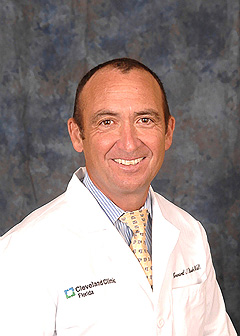
Dr. Howard Bush is a cardiologist at the Cleveland Clinic in Florida. March is Heart Health Month and to mark the occasion, heart specialists will write a column each week during the month for the Cayman Compass’ Health section.

Related Videos