Local construction and building suppliers have said they are feeling the pinch as the ongoing US construction boom has created a shortage of materials in Cayman.
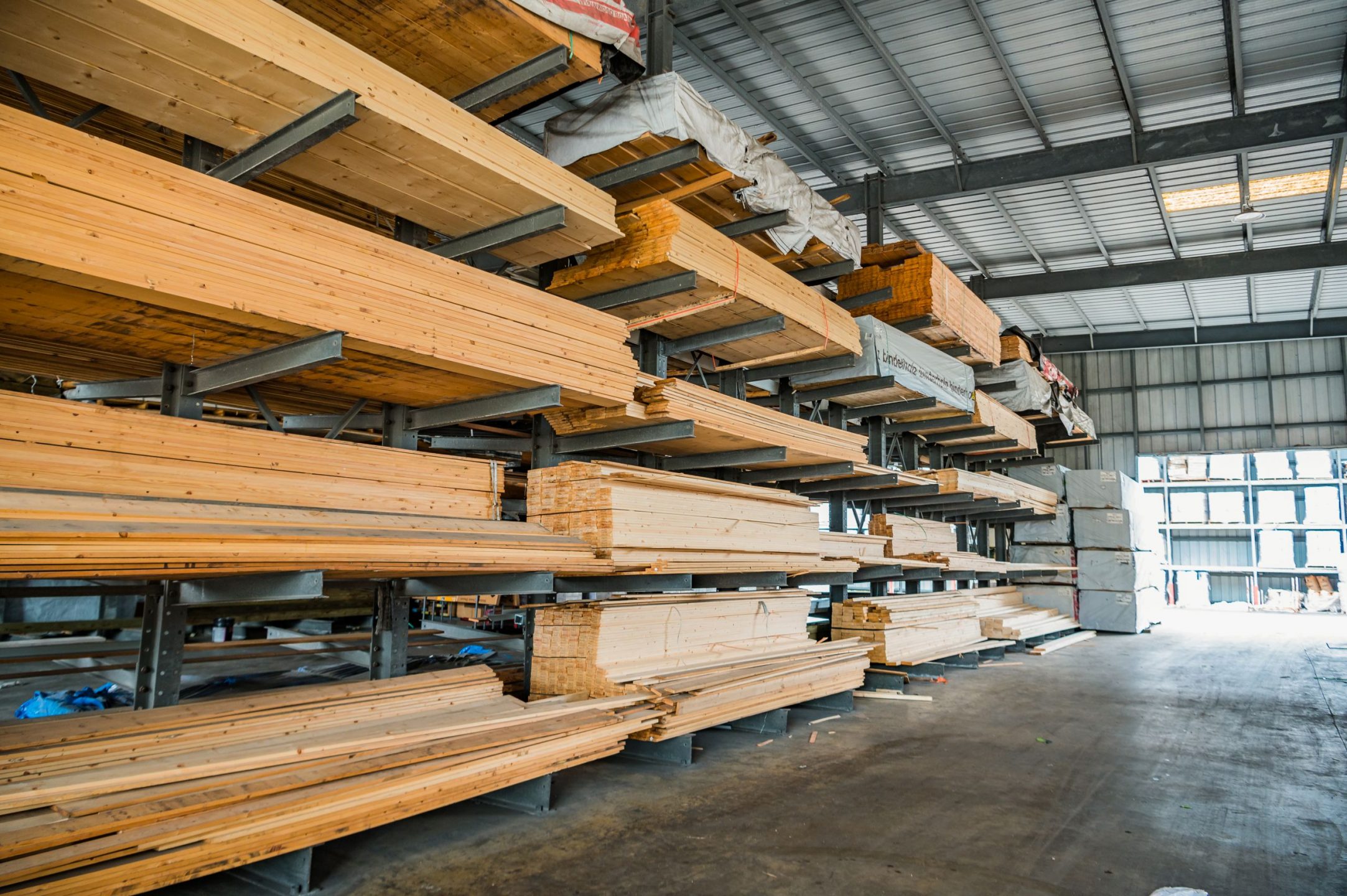
Building essentials, like lumber, plywood, cement and concrete, are in short supply and local stocks are dwindling. The situation is a knock-on effect of the previous shutdowns at mills and factories in the US due to COVID-19, coupled with a housing boom that is soaking up supplies in the States.
Cayman’s current dilemma, according to A. L. Thompson, president of the A. L. Thompson’s home store, has been compounded by the demand for materials locally.
“Right now, there are a lot of projects. There are a lot of homes being built and there’s very high demand for building materials in general, just about everything,” Thompson said in a recent Zoom interview with the Cayman Compass.
More than 65 projects were initially given the green light by government when the first phase of the construction industry was unlocked in late May. Since then, all local construction projects, estimated in June to be more than 110, have been given permission to resume operations.
Apart from the demand from the construction industry, Thompson said, local consumers are also spending, which has created a vacuum.
“Two things happened, people were locked down for a period of time and they didn’t have any way of spending money. A lot of them still had income, but they couldn’t go out and shop except for food,” he said.

“Now, when the country is pretty much reopened, construction has taken off tremendously and, like I said, [there are] many projects, many houses under construction… that’s created a high demand. The other thing that I see happen is… the pension fund. Those funds have kicked in and people are spending money like crazy.”
Thompson said local businesses are just hoping that the spending within the domestic market can be sustained for a long time, “instead of it coming to a screeching halt or falling off a cliff”.
“We don’t know what the future brings. We can just sort of ride it out and go along with it as long as it’s happening,” he said.
US suppliers, Thompson said, are struggling to keep up with demand in that country, and even though he has placed orders, it is taking longer than usual to get products on island.
“We can’t get PVC pipe. I placed an order for PVC pipe on 27 June. We went there through July and [Monday] I contacted [the supplier]; I said, ‘What is happening?’ Because usually you can get it in two weeks, but when I placed the order, they told me that it’s going to take a little bit longer,” he said.
Thompson said he was told supplies will be dispatched this week, which means it will be another six to eight weeks before the goods arrive on island.
Infrastructure Minister Joey Hew told the Compass last week that government was aware of shortages of certain items.
“It is my understanding that this is as a result of supplier challenges with equipment,” he said. “I am also aware that some other materials out of the United Kingdom, such as roofing zinc, are experiencing shortages as well. We will continue to monitor the situation and assist wherever the government can.”
He added that the issue with the UK shipment had been resolved and it is on its way to Cayman.
Similarly, shipments of cement were expected on island this week.
One concrete supplier told the Compass last week that there were challenges when cement distributors could not meet the “substantial” demand for supplies.
However, that situation is expected to be resolved this week, they said.
NCB group managing director Matthew Wight told the Compass that he is not too worried.
“With eight projects on the go, the cement shortage has certainly impacted us, but it’s only short term and we’ve been able to work around it,” he said in an emailed response to the Compass.
He said his understanding was that a huge shipment of cement was expected.
“We currently don’t foresee any disruptions with our supply chains for other materials,” Wight added.
Prices on the rise
The Wall Street Journal reported last week that lumber futures prices more than doubled in April.
“Futures for September delivery ended Friday (31 July) at $585.80 per thousand board feet, up from $259.80 on April 1. Even futures contracts for lumber that won’t be delivered until 2021 are trading above $500,” the article stated. As of Monday, lumber was trading at $648, according to the Nasdaq.
Thompson said while the mills are back up and running, they are staffed by 50% of their regular workforce and they can’t produce enough.
“So it’s created this huge shortage in the market and everything just came to a screeching halt when this happened. Now it’s affecting the plywood market. A lot of the plywood that we get comes from Brazil, but Brazil also has their own issues that the US is consuming all that they can produce. And, of course, we are just a so very small drop in a big pond,” he said.
Thompson said he also has been sourcing supplies from China and Vietnam.
He said he is feeling the heat from the public, some of whom have been blaming him for the shortages. He urged consumers to be patient as he has been placing orders.
“We were kind of just recouping what we lost during those seven weeks of closure,” he said. “I am hiring some new staff and we’ve had a lot of good applications; we’re going through them. Now we’re trying to serve the public the best we can.”
Household supplies also affected
Thompson said, from what he has seen, the demand for basic household items has also increased.
“A lot of people are doing cooking at home. We can’t get pots and pans. We can’t get some certain basic household items that we need for our customers because it’s such high demand. You know, with people being at home, locked down, they’re cooking at home and not going out to restaurants like they used to,” he said.
Related Videos