

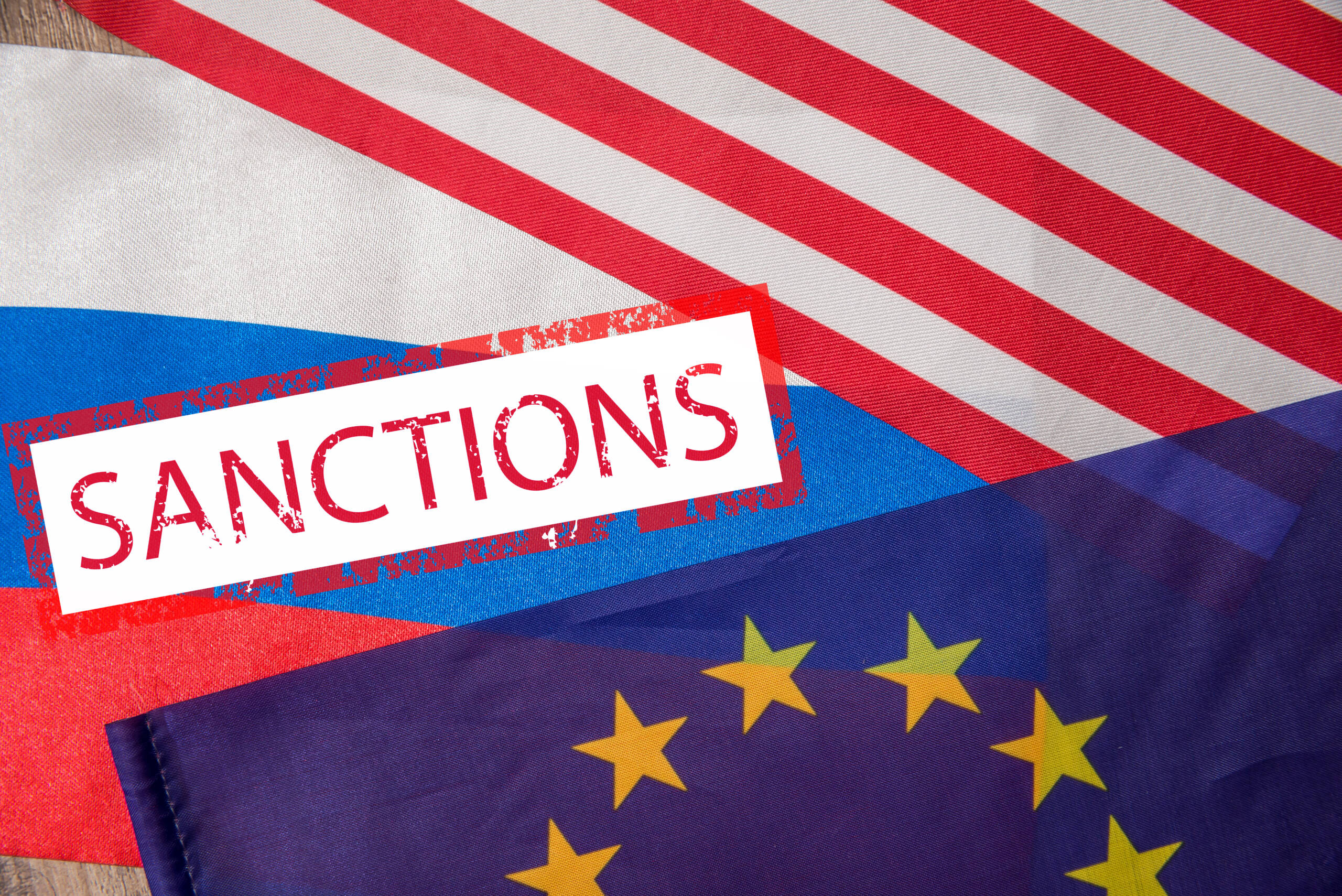
The Cayman Islands Monetary Authority has released a notice about the implementation of UK sanctions, including the freezing of assets, against Russian individuals and entities, following Russia’s invasion of Ukraine.
The notice advises financial services providers and financial institutions to check whether they maintain accounts or hold funds or any other assets for individuals named by the Office of Financial Sanctions Implementation of the UK’s HM Treasury.
If they do, Cayman’s financial institutions must freeze the accounts or assets and are prohibited from dealing with the funds or making them available unless licensed by the governor.
They also must report any findings of such accounts or funds and all information relating to them to Cayman’s Financial Reporting Authority, who may pass it on to regulatory authorities and law enforcement.
“Failure to comply with financial sanctions legislation or to seek to circumvent its provisions is a criminal offence,” the notice stated.
UK sanctions take effect through Orders in Council that have the force of law in Cayman. The Russia Sanctions (Overseas Territories) Order was last amended in October 2021.
UK sanctions
The UK sanctions, adopted in response to Russia’s invasion of Ukraine, include freezing the assets and imposing a travel ban on eight named individuals and 11 businesses, including six banks.
The Russian individuals include bank chiefs, industrialists and others with ties to Russian president Vladimir Putin.
Members of Russia’s Parliament, the Duma, who voted for the recognition of Donetsk and Luhansk are set to be banned from all UK transactions.
Exports to Russia of items that could have both a civilian or military use have been suspended, with more export bans for equipment used in extractive industries, like oil and gas, expected to follow.
New legislation to be tabled next week will prevent Russian companies from raising capital, borrowing or processing payments in the UK. It will also block the Russian government from raising sovereign debt in the UK.
EU and US sanctions
Similar sanctions have been adopted by the US and the European Union.
EU sanctions are aimed at 27 individuals and entities and 351 Duma members who voted for the independence of the self-proclaimed Donetsk and Luhansk ‘republics’. The individuals will see their assets frozen and are subject to a travel ban.
The EU has also restricted access to Europe’s capital markets for the Russian government or its central bank and introduced a trade ban for non-government-controlled areas of Donetsk and Luhansk.
On Friday, EU’s 27 member states agreed to freeze any European assets of Putin and Russian Foreign Minister Sergey Lavrov.
Preventing Russia’s use of the SWIFT global interbank payments system and an oil embargo have so far not been agreed but remain an option for future sanctions.
Since Brexit, the UK no longer adopts EU sanctions regulations but implements them autonomously through UK regulations which then take effect in the Overseas Territories through Orders in Council.
Meanwhile, the US Treasury has prevented Russia’s two largest banks, Sberbank and VTB Bank, from processing payments through the US financial system and blocked three other financial institutions, Otkritie, Novikom, and Sovcom, and 90 subsidiaries of financial institutions around the world.
New debt and equity transactions involving 11 Russian industrial companies are now prohibited.
Other Treasury sanctions affect Russian elites and their family members.
Related Videos











Does the CIG yet have policies to protect Caymanians from rich people from other countries from buying up real estate as safe harbour for great wealth causing unsustainable cost of living for Caymanians and squeezing out the working classes as is happening in many protected islands like Puerto Rico?
Great question Ginnie!!!