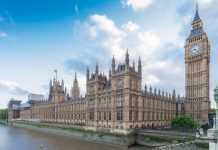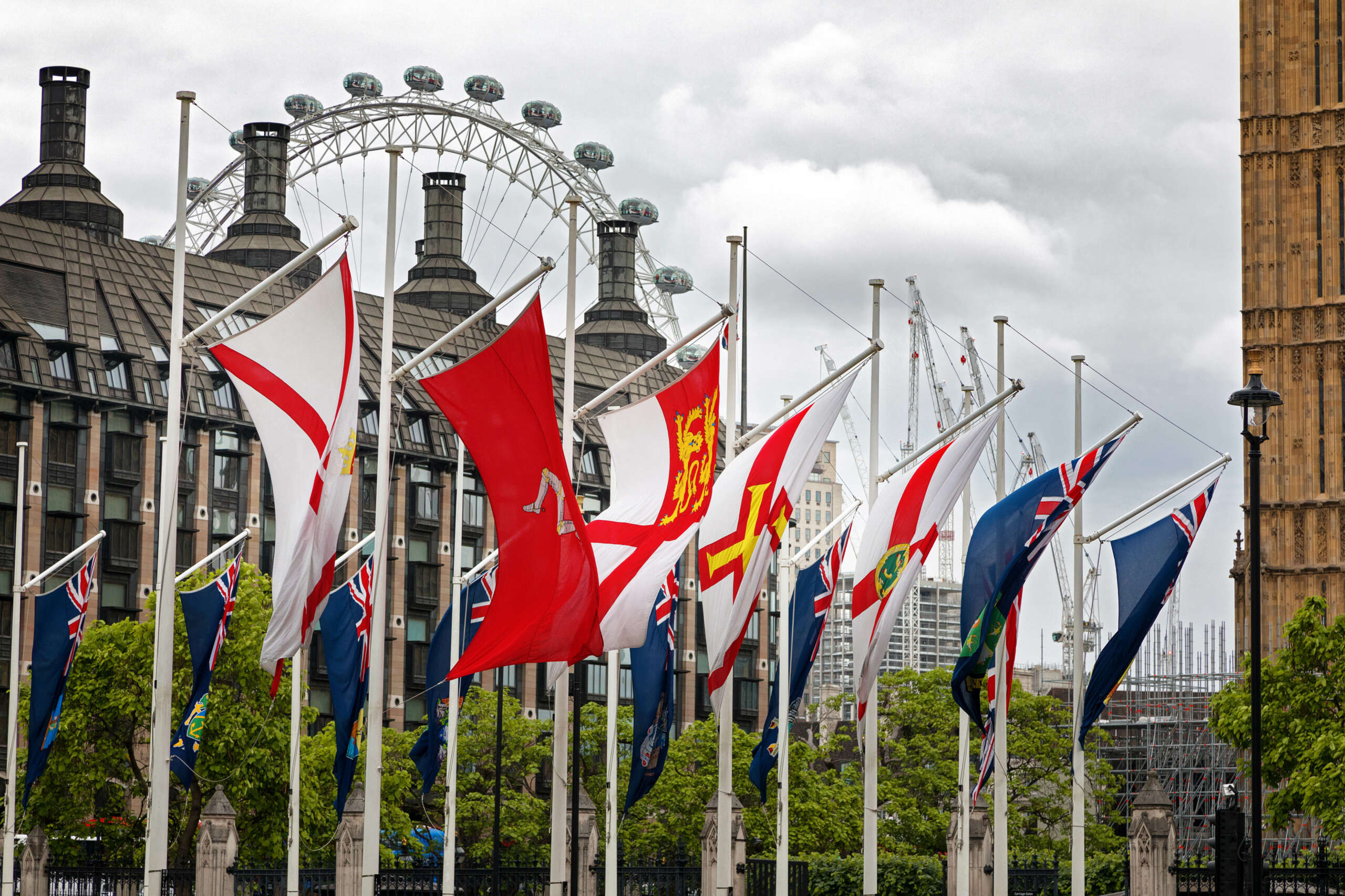
The United Kingdom’s relationship with the Cayman Islands and its other 13 overseas territories is set to come under the spotlight in a new House of Commons inquiry.
The Public Administration and Constitutional Affairs Committee will look at whether the current constitutional arrangements are satisfactory and appropriate in the 21st Century.
In its probe, the committee will look for evidence on how the UK’s parliament and civil service engages with the overseas territories.
It will also examine how their interests are represented in UK Parliament and how the rights of British overseas citizens are protected.
Governments, parliaments and citizens of the overseas territories, including Cayman, are invited to submit their views online before 4 Sept. this year.
The committee will then hold a series of public oral evidence sessions with expert witnesses.
The inquiry will conclude with recommendations, based on the evidence gathered, in a published report. The UK government then has 60 days to respond to the report.
In a press release announcing the inquiry on Thursday, 20 April, committee chair William Wragg MP said the UK’s overseas territories are an important part of the UK family.
“With ten territories permanently inhabited by British nationals and all 14 represented at the international level by the UK, we cannot deny their unique constitutional position,” he said.
“Each territory has its own legislative processes and bespoke relationship with the UK, but with no official representation in UK Parliament, these constitutional arrangements are often misunderstood or overlooked.”
Wragg said he recognises that there is no “one size fits all” framework for relations between the UK and the overseas territories.
“But by better understanding how existing arrangements operate in practice, we can better assess whether they are satisfactory and appropriate in the 21st century,” he said.
UK responsibility
While 10 of the UK’s 14 overseas territories are self-governing, the UK is responsible for their defence and foreign relations.
The interaction between the OTs and the UK’s parliament and government was brought to attention during the passage of the Sanctions and Money Laundering Act 2018.
During the passage, the unusual step was taken to extend the act to cover all the UK’s jurisdictions.
The same year, the Foreign Affairs Committee launched an inquiry into the UK’s relationship with the overseas territories, their resilience and their future.
It looked at how effectively the Foreign and Commonwealth Office (now the Foreign, Commonwealth and Development Office) managed its responsibilities towards them.
The report, published in February 2019, highlighted areas of friction including same sex marriage, belongership, citizenship and the NHS, and gave recommendations.
Submitted evidence
Concise written submissions for this inquiry can be sent to https://committees.parliament.uk/call-for-evidence/3109
The committee will read evidence and use it to assist in the inquiry. It will usually be published online and the committee may use or quote from it in its report.
The public and relevant organisations are asked to consider some or all of the following questions:
Are the UK’s current constitutional arrangements as regards the overseas territories satisfactory and appropriate in the 21st Century?
What is the UK Government’s relationship with the overseas territories?
What is the UK Parliament’s relationship with the overseas territories?
How is legislation made in the overseas territories and what role does the UK Government and UK Parliament have in these processes?
Are effective mechanisms in place for the interests of the Overseas Territories to be represented internationally?
Are the rights and interests of British overseas citizens effectively protected by the current constitutional arrangements?
Related Videos