Local residents call them ‘gilimbos,’ giants of the reef that can still be found in Cayman waters, but over time they have become less common.
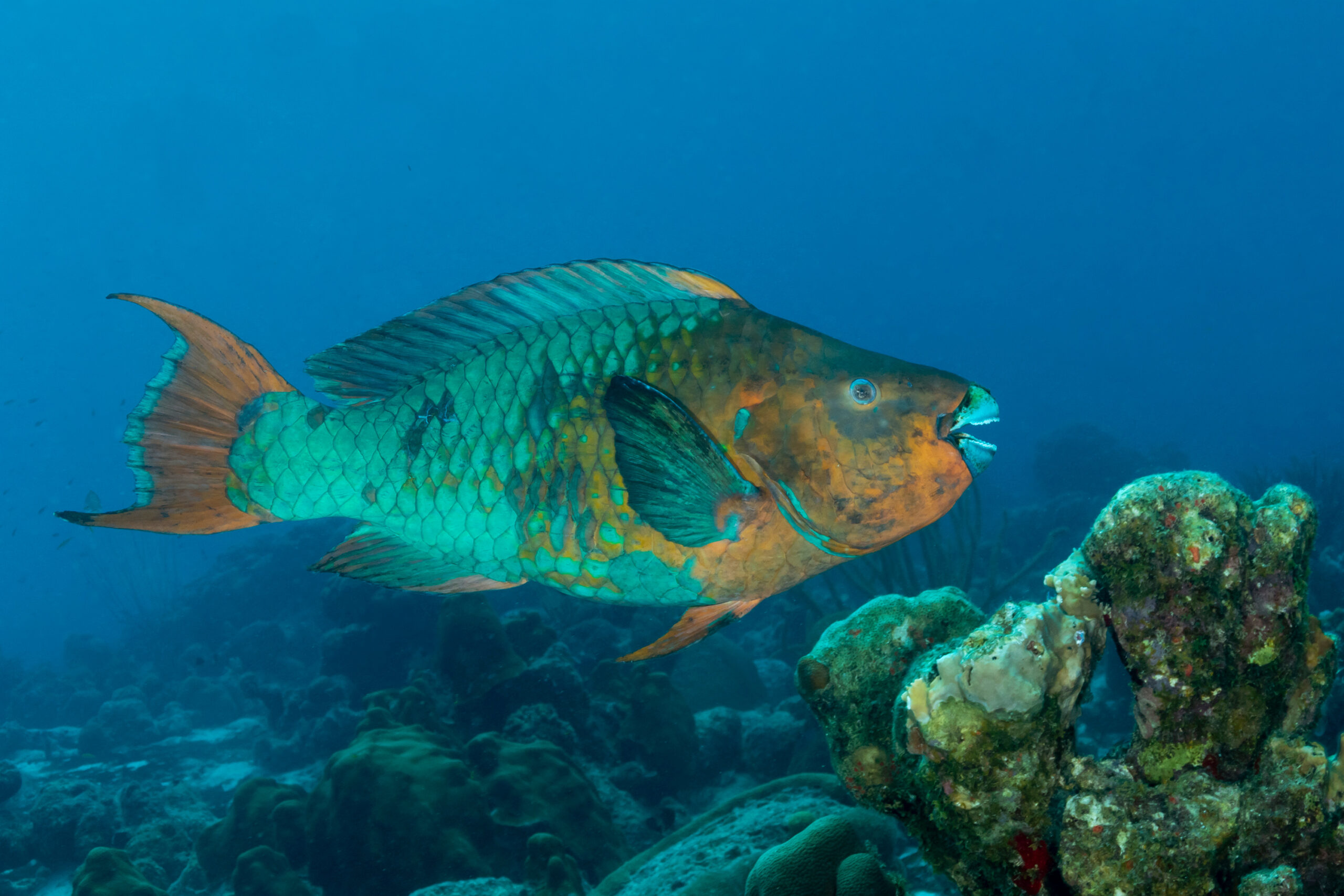
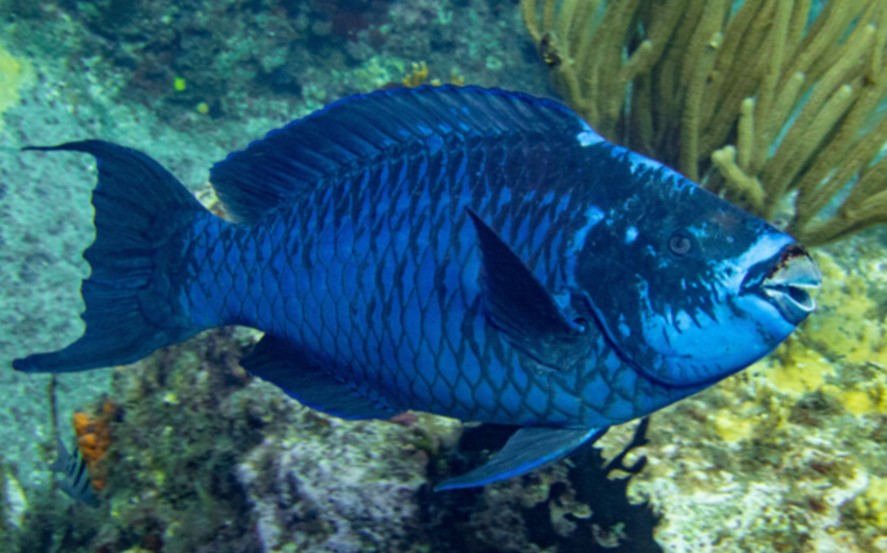
Two species share the same local name: the rainbow parrotfish (scarus guacamaia) is the Caribbean’s largest parrotfish, growing over 3½ feet and weighing 45 pounds. Its scales shift between emerald green, coral pink and sapphire blue, almost like the living colours of the reef itself.
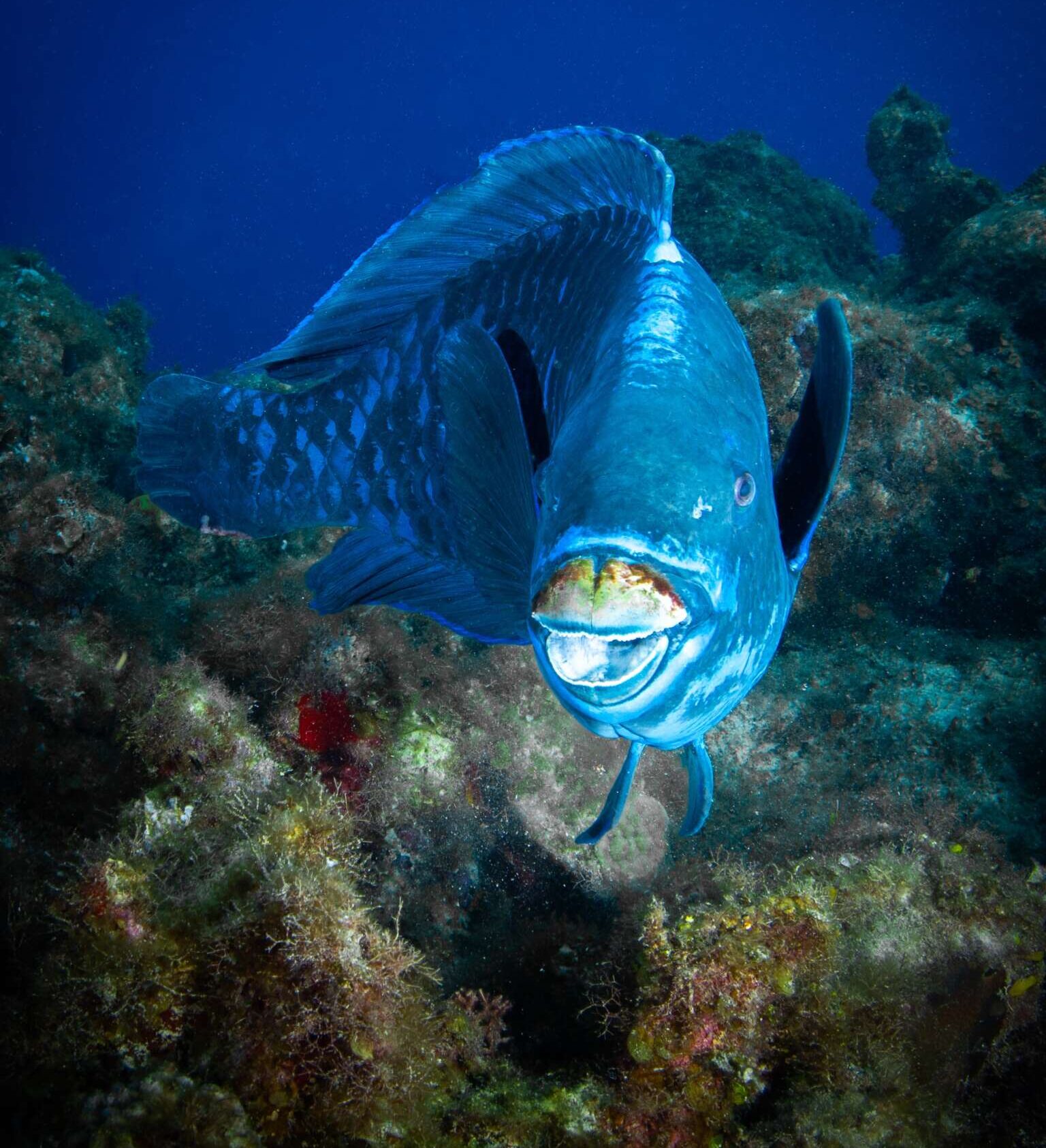
The midnight parrotfish (scarus coelestinus) is slightly smaller but just as striking, dark indigo blue, like the colour of the deep sea over the drop off, but with a lighter snout and brilliant fins that catch the morning sun.
Both species are herbivores, grazing on algae on the limestone, turning reef rock into sand, and giving corals space to grow; ecologists call them ‘ecosystem engineers;’ quiet architects of the reefs and the beaches.
Gilimbo sightings now scarce
Today, they’re rarely seen right at the shoreline, but divers still spot them on the reefs of the Cayman Islands; proof that the gilimbo still endures.
There was a time when along the seashore, in places like Prospect Point, South Sound, Pease Bay and Frank Sound, these giant parrotfish would be seen regularly, their backs and tails breaking the surface of the water as they fed in the shallows.
Jeremy Yates remembers them at Southwest Point: “Big fish, 3- and 4-feet long, moving like kings; slow, heavy, certain.”
Robert Wood recalls witnessing the same at Pease Bay – paired fish roaming the shoreline or along the reef edge.
Beyond Cayman, on the coastlines of the nearby islands, the memory still holds, but the gilimbos are disappearing.
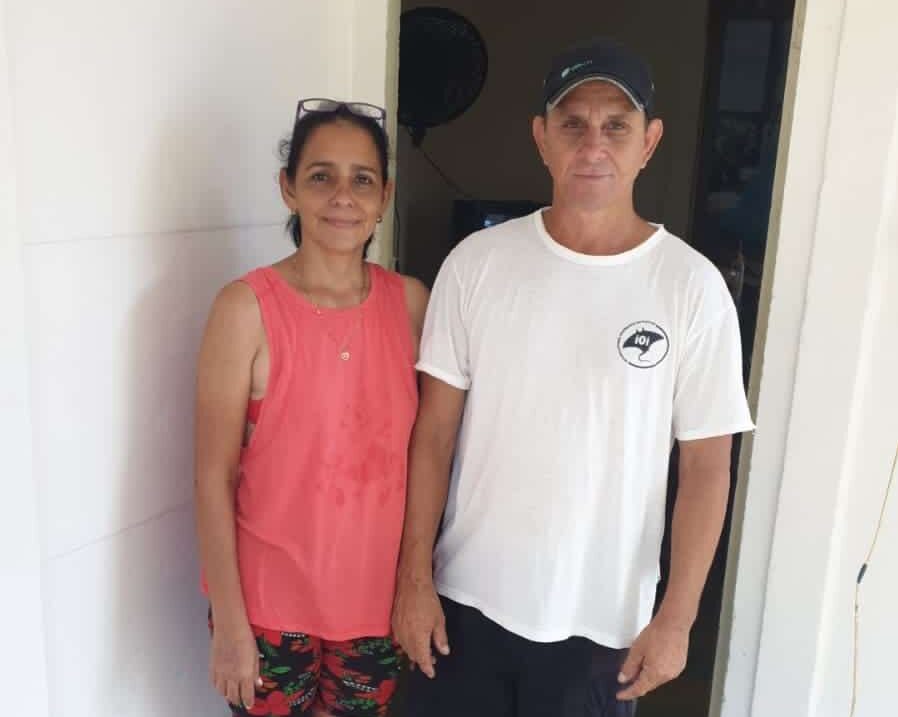
In Cocodrilo, formerly known as the Caymanian town of Jacksonsville, on the south coast of Cuba’s Isla de la Juventud (Isle of Pines), Reinaldo ‘Nene’ Borrego Hernández, who runs the little dive shop and environmental centre, says they once swam right up to the ironshore there too, but he can’t recall when he last saw one, even while scuba diving in the deeper water.
To the southwest of Honduras’s Bay Islands, an elder named ‘Jackson’ from Mangrove Bight, Bonacca, recalled seeing the gilimbos there as well.
“The gilimbos are getting scarce,” he said. “They used to run along the turtle-grass line by the old dock. When the sun hit them, you could see every colour of the Caribbean in one fish.”
Call for endangered species protection
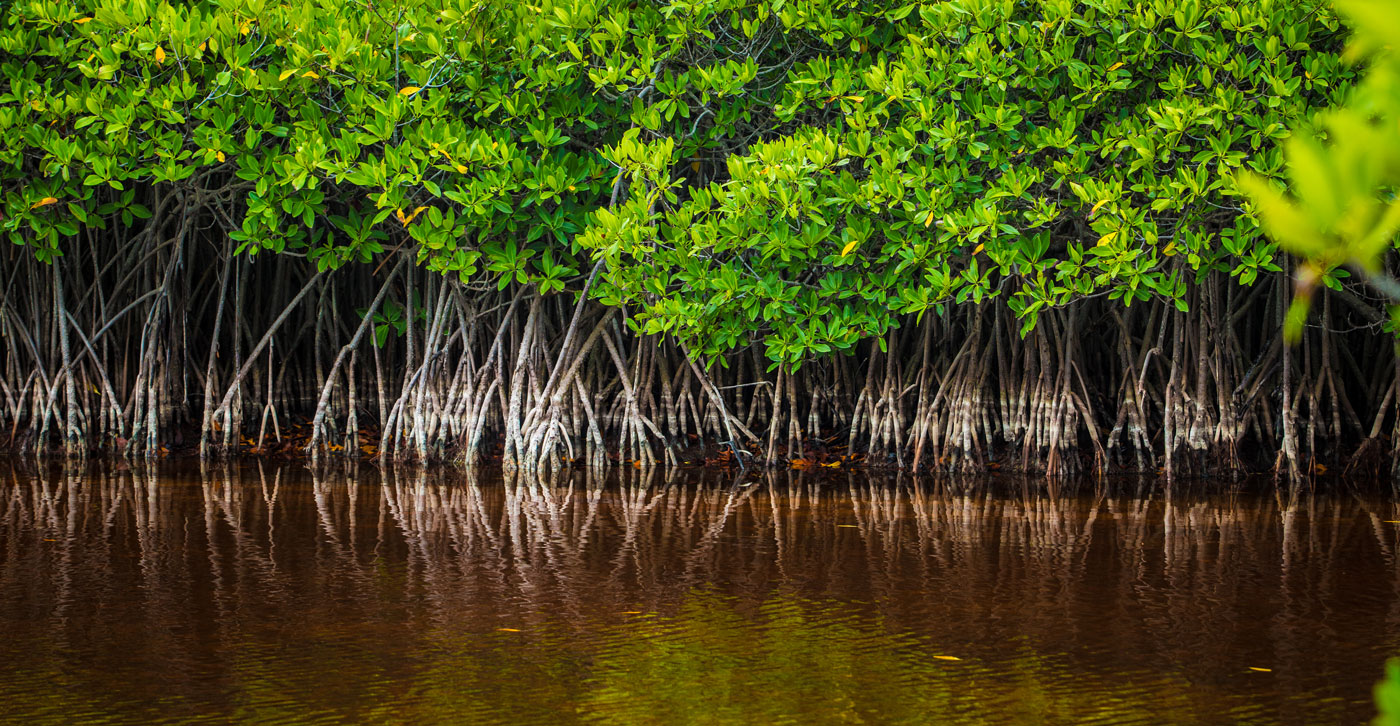
In the Cayman Islands, areas like the Central Mangrove Wetland in Grand Cayman provide an important refuge and nursery area where the midnight and rainbow parrotfish are protected from fishing activity in these marine reserves. But, unlike lobsters, conch and turtles, there are no specific species protections in place for parrotfish in Cayman.
Conservationist‑photographer Courtney Platt, who has documented Cayman’s reefs for decades, told the Compass: “I fear we are already on the brink of too little, too late for some of our most reef‑fish endangered species.”
He is calling for greater protection of rainbow, midnight and blue parrotfish, and stronger enforcement on deep fore reefs.
“I think we should give these giants a break,” he said. “We are seeing the increased issues of beach erosion, and these large grazers, especially the rainbow and the midnight parrotfish, create a lot of sand. They also remove algae which helps with coral recruitment.”
Ladner Watler, former chief marine parks enforcement officer at the Department of Environment, recalls that back in the day, fishermen would catch the giant parrotfish using mango skins as bait or with 10-foot-long ‘strikers’ – spears with two prongs on the end. But, he added, they weren’t that good to eat.
“The local people would make mince with those big squabs. I can still recall big schools of these fish, with as many as 20 gilimbos off my beach in South Sound when I was younger,” he said.
The Cayman Islands Department of Environment has long flagged such herbivores as “vital for reef resilience” and published assessments to strengthen protection, enforcement and public buy-in. Their Herbivorous Fish Report underscores the function these grazers provide.
In Bonaire and Bermuda, parrotfish are a protected species. The fish are considered crucial for the health of their coral reefs because they control algae, which is essential for keeping coral-dominated environments healthy and for creating sand.
On 6 Nov., the Royal Gazette newspaper in Bermuda ran an article about an individual who was recently fined $14,000 dollars for spearing parrotfish.
What the science says
The International Union for Conservation of Nature, or IUCN, lists the rainbow parrotfish as ‘near threatened’ on its Red List of Theatened Species, and the status of the midnight parrotfish as ‘deficient’, reflecting concern for the two largest Caribbean marine herbivores.
Multiple studies find that juvenile rainbow parrotfish depend on mangrove shorelines, shifting to reefs as they grow. A Biscayne Bay, Florida modelling paper sums it up plainly: “Rainbow parrotfish … require both mangrove and coral-reef habitat to complete their life cycle.”
Where mangroves are intact, more big rainbow parrotfish are evident on adjacent reefs. Caribbean-wide analyses find nursery proximity often has a bigger effect on biomass than reserve status alone.
High-energy ‘refuges’ can also shelter the largest parrotfish.
Recent field work from San Andrés, Columbia’s Seaflower Biosphere shows that, in San Andrés, wave-exposed barrier reef crests held far more rainbow and midnight parrotfish than calmer sites, likely because rough water deters fishing. The authors of the study suggest the findings support additional protection for these reef crest zones to help preserve the two largest parrotfish in their waters.
Related Videos