

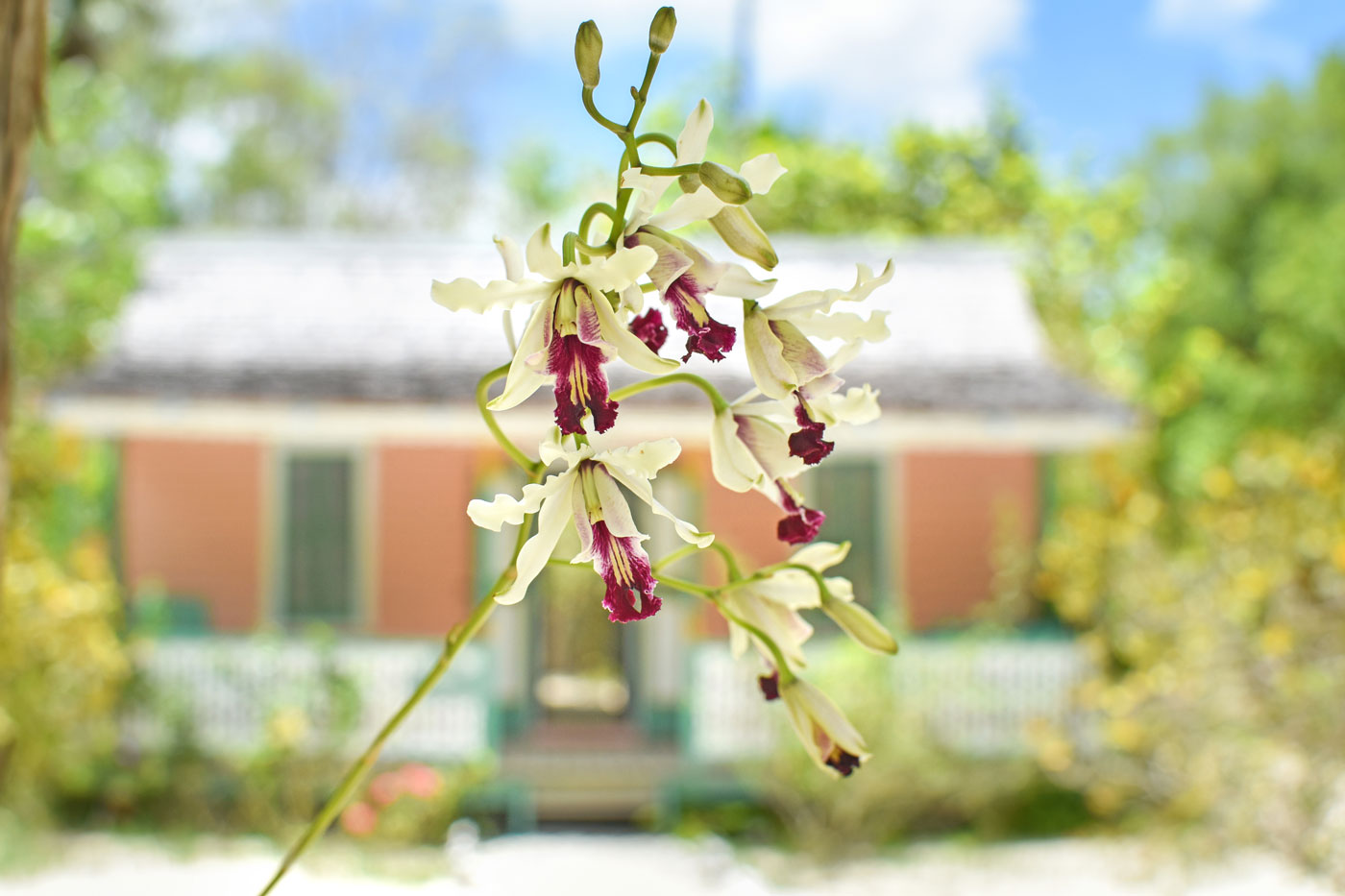
Long before cruise ships and condominiums reshaped the Cayman shoreline, long before the islands had roads, electricity or even a formal government, Cayman’s first great storytellers were not writers but botanists.
They came with notebooks, hand lenses, canvas satchels and a curiosity that bordered on obsession. They walked ironshore, waded mangrove flats, followed marl tracks into the bluff forest and wrote down, carefully, what they saw.
Their work remains one of the most important gifts ever given to these islands.
Sloane: The beginning of the record
Sir Hans Sloane was a London-trained Irish physician who sailed to Jamaica in 1687 as personal doctor to the island’s new governor, the Duke of Albemarle. Between 1687 and 1689 he collected thousands of specimens, including 1,589 dried plants, in what became the first large Caribbean herbarium brought back to England.
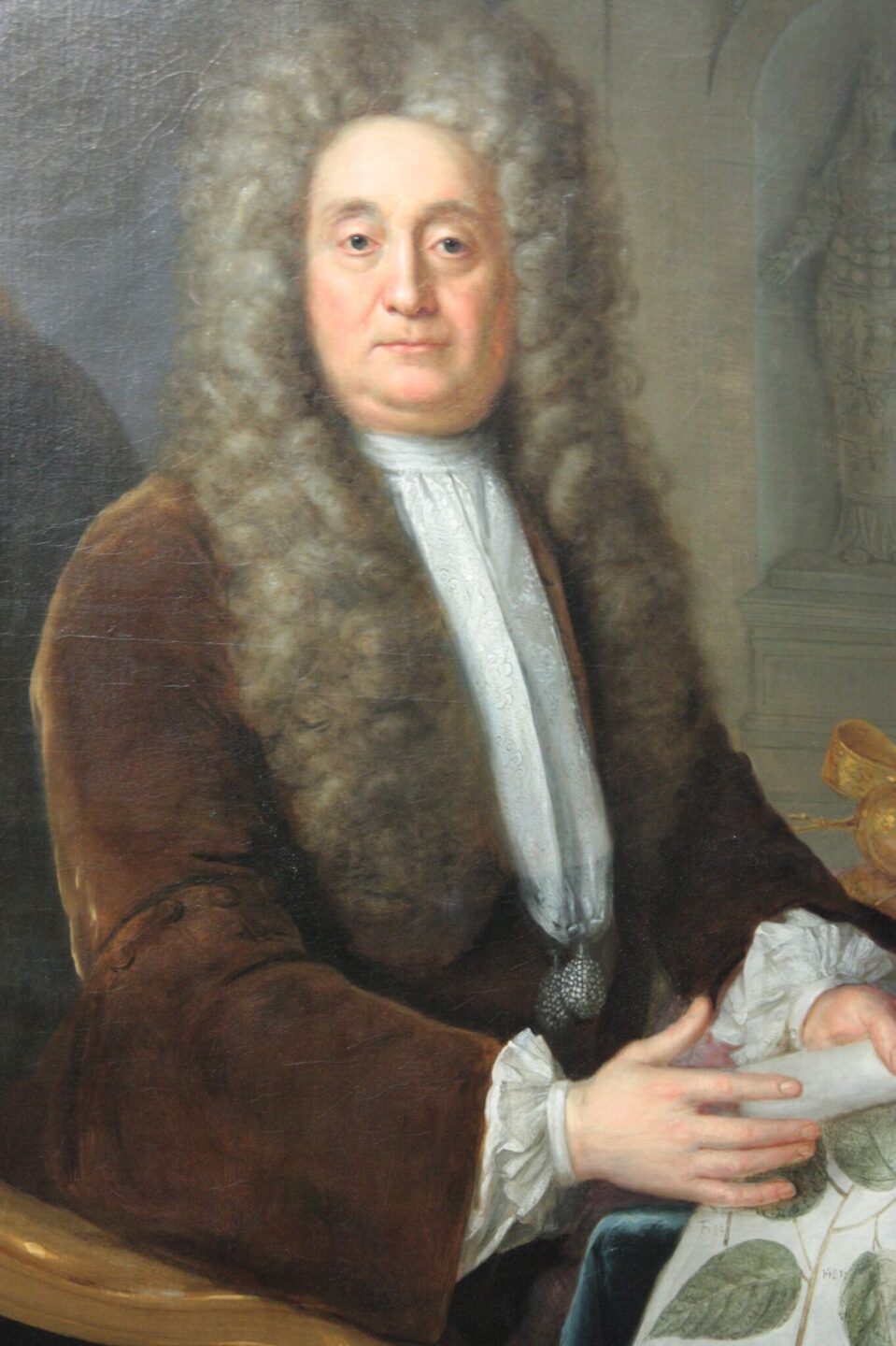
Those specimens and his two-volume ‘Voyage to the Islands Madera, Barbados, Nieves, S. Christophers and Jamaica’ (1707, 1725) were the first major scientific account of West Indian natural history.
Cayman lay in Jamaica’s political and maritime shadow at the time. Sloane never came to Cayman, but his work gave later botanists a baseline. It helped them recognise that the Cayman Islands harboured plants that were different, subtly distinct, locally adapted and in some cases, entirely unique.
Sloane’s era marked the beginning of something essential – the idea that the Caribbean’s flora was not merely decorative or useful, but scientifically meaningful.
Fawcett: Cayman’s first true botanical observer
Two centuries later, British botanist William Fawcett, former assistant at the British Museum and later government botanist in Jamaica, co-authored the monumental multi-volume ‘Flora of Jamaica’.
Fawcett was one of the first trained scientists to take a serious interest in Grand Cayman’s vegetation. Fawcett was no romantic; he was a methodical man whose field notes documented species distribution, habitat, morphology and, crucially, Caymanian knowledge.
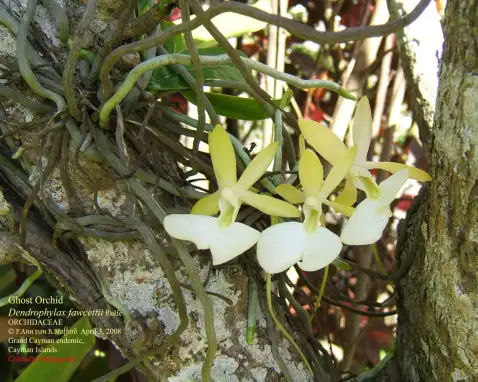
In May 1888, Fawcett made a short but pivotal visit to Grand Cayman. In a few days, he collected 112 plant species, both wild and introduced, and sent living material back to the Royal Botanic Gardens, Kew. Among them were the wild banana orchid and a strange, leafless orchid clinging to rough limestone and ironwood trunks.
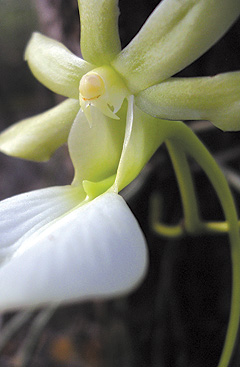
That ghostly plant would later be named Dendrophylax fawcettii, Cayman’s ghost orchid, endemic to Grand Cayman and now listed as one of the world’s most threatened species.
It has no leaves, just a tangle of green roots and, for a few nights each year, pale, night-scented flowers thought to be pollinated by giant sphinx moths. Today, it survives mainly in the remaining Ironwood Forest near George Town, a living reminder that Cayman holds species found nowhere else on Earth.
Fawcett’s visit helped establish that Cayman possessed a flora far more diverse than its size suggested and hinted at the presence of species that existed nowhere else on the planet.
The untrained botanist who saved the local plant names
In 1938, the Oxford University Biological Expedition to the Cayman Islands, led by Gemmell Alexander, carried out the first systematic survey of our natural history. The trained botanist dropped out at the last minute, so a young geography master, Wilfred Kings, was brought in as the replacement botanist.
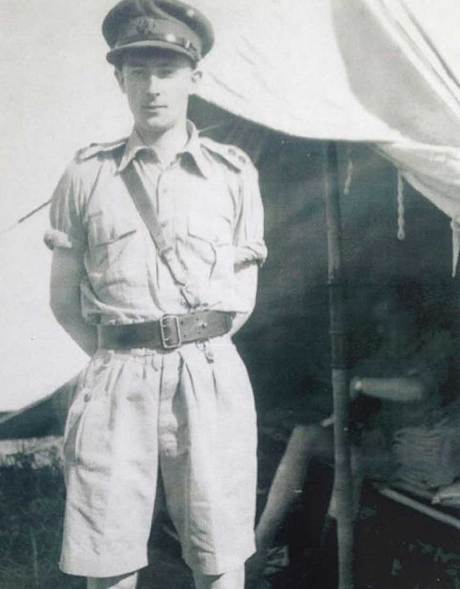
Kings rose to the challenge. The young, untrained but observant naturalist did something profoundly important: He wrote down the Caymanian names of the plants.
Over one season, he collected 1,263 specimens – 660 of them flowering plants, often in duplicate, so sets could be kept both in Britain and the islands.
He wrote down the names Caymanians used for everything from ironwood to maiden plum, recognising that local terminology held ecological insight. He understood that a plant’s story was not complete until its relationship with the people who used it was recorded.
He listened to ‘Brackers’ and ‘East Enders’ and Little Cayman fishermen describe ‘bull thatch’ and ‘bastard mahogany’, ‘candlewood’, ‘headache bush’, ‘inkberry’, ‘manchineel’, ‘logwood’ and ‘buttonwood’. He recorded which plants burned hot, which cured fevers, which stung, which floated, which could bend into a frameset for a catboat without cracking.
In his report on the botanical collections and his notes on “plants of reputed medicinal value”, Kings wrote down the names Caymanians were already using: ironwood, wash wood, smoke wood, wild cinnamon and mastic. He noted how wiry vine juice was taken for malaria, how wash wood sap was used with lye water to clean clothes and how certain woods sank in seawater and so were prized for fish-pot frames or catboat keels.
What the Oxford team captured was not simply botany; it was Cayman’s unwritten ethnobotany, the knowledge passed down through families who had learned the landscape by necessity and by heart.
Where Sloane and Fawcett brought science to the Caribbean, Kings brought Cayman’s own bush knowledge into the scientific record.
Species he collected would later be named in his honour, including the Little Cayman orchid Encyclia kingsii and the Grand Cayman false foxglove Agalinis kingsii.
George Proctor: The one who pulled it all together
Decades later, Jamaican botanist George R. Proctor, head of the Natural History Division at the Institute of Jamaica from 1972-1980, wove these threads into a single, definitive work: ‘Flora of the Cayman Islands’, first published in 1984 and revised in 2012 by the Royal Botanic Gardens, Kew.
Proctor showed that in just over 100 square miles, Cayman supports 415 native plant taxa, 29 of them uniquely Caymanian.
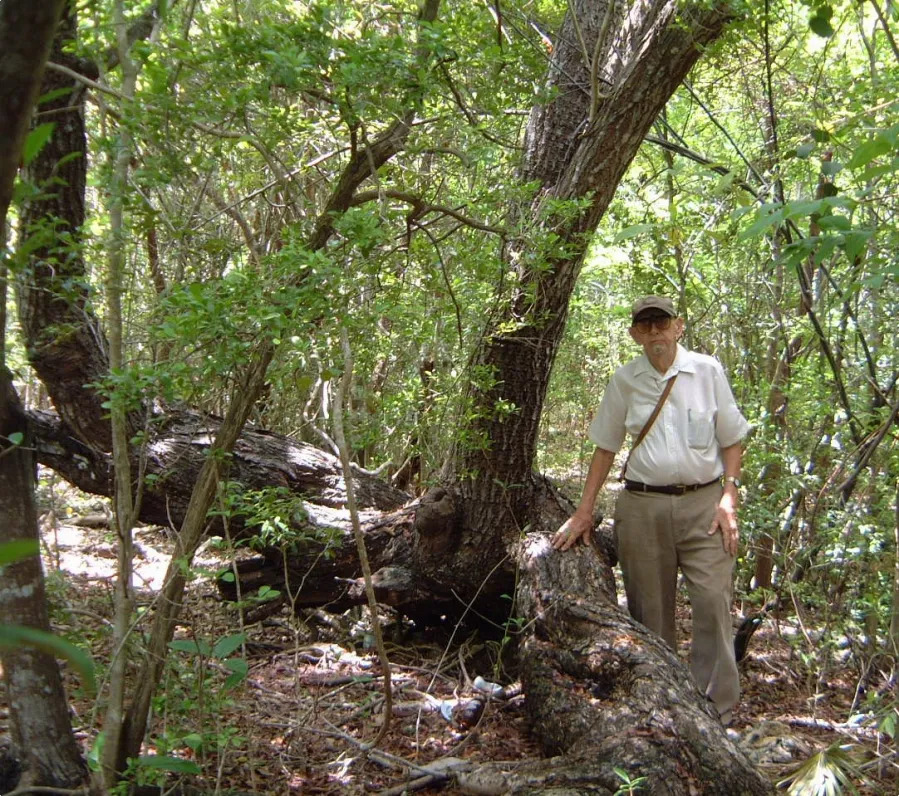
Proctor’s careful fieldwork and his landmark book on the Cayman Islands flora remains the definitive record of our botanical identity. He changed the way Cayman saw itself. discovered and confirmed several endemic species, and was the first to systematically map how vegetation zones – dry forests, seasonally flooded forests, mangrove, shrublands and bluff woodlands – shaped the lives of Caymanians.
This critical work guides everything from conservation planning to school projects.
Among the stars of his book are two icons of Cayman’s natural heritage:
- Cayman ironwood (Chionanthus caymanensis), a tree found only in these islands, with wood so heavy that it sinks in salt water and so hard that “it bends nails”. For generations it was hand cut into 13-foot posts to stand as the foundation of Caymanian houses, prized because it resists termites and rot.
- Silver thatch palm, whose leaves once covered almost every roof on the islands and whose fibre rope was tough enough to become one of our first export products.
Around them stand a whole supporting cast of flora: mastic for catboats and schooners, fiddlewood and pompero for ship ribs and fence posts, logwood and fustic for dye, fever grass and cerasee for medicine.
He recognised what was hiding in plain sight – that Cayman’s three islands, though small, host one of the highest densities of endemic plants in the Caribbean.
He also identified that Cayman’s flora is a mosaic of ancient lineages, salt-tolerant survivors and limestone specialists, and that the human uses of these plants, from silver thatch roof thatching to catboat keels, was part of the ecological story, not separate from it. In a world before clinics, pharmacies, hardware stores or concrete blocks, the bush provided everything.
Why it matters now
In an era of rising seas, invasive species, disappearing forests and a quickened pace of development, Cayman’s botanical record becomes more than an academic curiosity – it becomes a memory bank. It is not nostalgia; it is a survival manual.
Without Sloane, Fawcett, Proctor and the Oxford notes, we would not know which plants are endemic, which are native, which are introduced and which are on the brink of vanishing. We would not know what once grew where a subdivision now stands or which species survived the 1932 Storm, or which can still be found in the deep interior of the Mastic Forest.
Most importantly, we would not know what makes Cayman Caymanian.
Because in the roots of our plants lies the root of our identity. In a world defined by change, knowing who we are and what grows with us may be Cayman’s most enduring strength. Because in the end, these botanists were not just cataloguing plants, they were quietly writing down who we are.
Related Videos





Very timely article considering the uncontrolled development of Cayman.
Bernard Lewis is not mentioned. I believe he was part of the 1938 scientific expedition and married a Caymanian, Lucille Bodden. The Blue Iguana is named for him. Cyclura Lewisi if I have my details right.
I realize your excellent article focused on flora and not fauna, but they are so closely related.
Many of them for sale at caribbeanblooms.ky
A niche nursery that specializes in native trees & bushes with horticultural protentional for urban landscapes
A great article. Thank you so much for printing this to remind us of the treasure that we had (and still have some of it) in our woodlands. May we not sell our heritage for a “mess of pottage.”
What a wonderful article both about the plants themselves & their uniqueness. It should also remind us of the hardiness & ingenuity of our forefathers & what we should preserve. Now if only we would take this information onboard & stop the unbridled development taking place here. Hopefully this is now taught in schools & should be part of the PR test if it isn’t already.