by top officials.
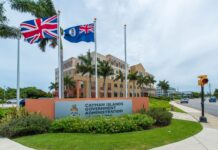
Deputy Governor Franz Manderson released the minutes of a government chief officers’ meeting held on Monday to all civil servants. The release of the meeting minutes was not solicited by any news agency, but rather was done proactively by the deputy governor’s office.
According to the minutes, it was agreed Monday that government would continue the practice of sending the details of these chief officers’ meetings to all civil servants each time one was held.
During an interview with the Caymanian Compass last month, Mr. Manderson said government communication – particularly between its employees and managers – had been lacking and he intended to proactively disseminate more information to both civil servants and the wider public.
“Let us say, for example, we decide that we are going to have a … fundamental change, a new policy that’s going to be done,” Mr. Manderson said during the January interview. “When do we actually announce that policy? Do we announce it when we’ve decided we’re going to do it, or we announce it after it’s done?
“There’s nothing wrong with saying the government, in 2013, intends to do something … and give the public a lot of opportunity to comment on it, to understand it. I’m not sure we do enough of that.”
Putting out the good news is just one part of the equation. Mr. Manderson said his office will also be more responsive when government gets into a tight spot. If the news is bad, he said it still needs to come out.
“No one expects us to be absolutely perfect,” he said. Some other details of the chief officers meeting included:
A new awards scheme for civil servants: This proposal could potentially replace the current FACE awards given each year to outstanding Cayman Islands civil servants; it is currently in discussion.
A more in-depth review of various reports that had been done including the National Assessment of Living Conditions, the National Investment Council Report, and the Keith Luck report [on the government’s financial management system], with an eye toward implementing the Bill of Rights later this year.
Annual leave for civil servants will be moved from the calendar year to the fiscal year, which means it would reset in July and not in January.
The Portfolio of the Civil Service would begin work on a policy against sexual harassment in the workplace, in light of the approval and enactment of the Gender Equality Law.
Results, results, results
Governor Duncan Taylor gave opening remarks at the Monday meeting, during which he noted the importance of chief officers “providing collective leadership” aimed at improving job performance and public service.
“The governor believed that we needed to bring about a cultural change in the civil service with an emphasis on increased accountability and improved performance,” the minutes read.
This sentiment was also echoed by Mr. Manderson in the recent interview, where he said the long-dormant idea of performance pay may be revived as a way of boosting morale and job performance.
“There’s something there now [referring to performance pay measures in the law], but we’ve suspended it during this tight budget time,” he said. “This really tight economic time is when you should be pushing performance, you know, people to do more with less.”
Despite the perception that it is generally difficult to fire people from the civil service, Mr. Manderson said that’s what will happen if individuals repeatedly do not perform to the level they are expected to.
“To me it is not hard [to fire non-performers], you just have to be committed to doing it and making the tough decisions and certainly, I have never shied away from making tough decisions,” he said.
Related Videos