

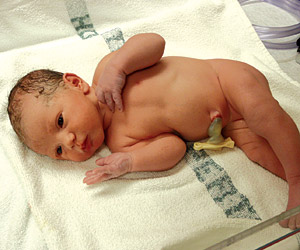
A huge hike in malpractice
insurance rates for obstetricians in Cayman could mean fewer doctors in the
private sector will deliver babies locally.
Obstetricians say a $40,000 hike in
their insurance rates this month puts not only their practices at risk, but
could also mean patients face greater risks as the workload for doctors would
increase if some of the six private OB-GYNs stop delivering babies.
With effect from 1 March, the
latest increase in the rates mean that obstetricians are now paying $162,360 a
year for their insurance. Six years ago, the rates were $14,000.
UK-based insurance company Medical
Protection Society insures Cayman’s obstetricians.
Dr. Tim Hegan, director of international
operations for the insurance company, said Medical Protection Society had
delayed introducing increases in obstetric rates over the last two years
“hoping that intervention from government would prevent the necessity to do
this.
However, over time this became unfeasible, given the risks associated
with indemnifying obstetricians and gynaecologists and we had to increase our
subscription rates.”
Chairman of the Health Practice
Commission, Dr. Steve Tomlinson, said a sub-committee to look into the
escalating rates and the issue of medical malpractice submitted a report to
government in 2008.
However, the issue was only recently addressed by the
Cayman Islands government, which has drafted a Medical Negligence (Non-economic
Damages) Bill.
That bill is expected to be tabled
in the Legislative Assembly in its next sitting, which begins on Thursday, 17
March.
It sets a cap of $500,000 for non-economic payouts – settlements for
pain and suffering and loss of amenities in personal injury cases, rather than
loss of earnings or medical expenses.
The Law Reform Commission opposed
the cap in a report it submitted to government last year.
The proposed establishment of a new
medical tourism hospital by Indian cardiologist Dr. Devi Shetty has been the
impetus for the introduction of the bill as a cap on non-economic damages was
one of the criteria set down by the doctor before he would move ahead with building
the hospital.
Mr. Hegan said it was too soon to
know whether the insurance company would review its subscription rates as a
result the proposed bill and the $500,000 cap, which he described as
“interesting”, adding “however, it only makes up a small part of the overall
compensation package”.
He said his company had been in
discussions with the Department of Health and medical professionals in Cayman
for several years to “bring to the attention of the government the issues
relating to the high level of damages and the impact this has had on the cost
and affordability of indemnity”.
Mr. Hegan said the insurance
company had increased its rates for obstetricians and gynaecologists “due to an
increase in settlement values, particularly those involving catastrophic
injury” – a situation he said was not unique to the Cayman Islands.
Cayman has six obstetricians
working in the private sectors, all of whom face the hike in rates.
Obstetrician Dr. Howard Deosaran
said he feared the latest increase would put pressure on some obstetricians to
stop delivering babies because they could no longer afford to do so and those
who continue to practise will have to take on more patients.
“What this will serve to do is
increase the risk. If we have fewer OB-GYNs in the private sector, the number
of complications will increase because those physicians will have to work
harder, they’ll have more patients, and they’re going to be tireder,” he said.
The expensive rates would also mean
that new obstetricians would be reluctant to start a new business here, he said.
“When I started in 2005, I was
paying $14,000 in rates. Now it’s more than $162,000. It cannot go on like
this,” Dr. Deosaran said.
Another OB-GYN, Dr. Barry Richter
said if the increases in rates continued, it was likely some obstetricians in
the private sector would choose to no longer practise because it would not be
financially viable.
This in turn would mean that the
overall amount of money the insurance company needed to collect from the
remaining obstetricians in Cayman would remain the same but the bill would be
split between fewer doctors, meaning the obstetricians who continue to practise
would end up paying even more.
“Say two or three obstetricians
stop practising, everyone else has to pay more,” he said.
Dr. Tomlinson agreed that the
increasing rates were worrying and could lead to fewer obstetricians practising
in Cayman. “Something needs to be done,” he said, adding that he believed other
medical fields would likely also face hikes in the future, such as anaesthesiologists and other professionals.
Related Videos












A 500,000 cap for medical malpractice lawsuits is too low. I can understand the governments reluctance to pass this bill. If they raised it to One Million, then that would be reasonable. Then they have to sit down and come up with some sort of a scale as to what circumstances merit a 1 million dollar settlement, what merits a 750,000 settlement, a 500,000 settlement, a 250,000 settlement, etc. If its in black and white it will also speed up the court process — each judge shouldnt have to make these decisions.
One million dollars for wrongful death due to malpractice is a small payout considering the vale of a humanbeing life! I mean a man, woman or child.
10 million is a reasonable cap for wrongful death due to malpractice.
Caymanian Mermaid you seem to be in favor of giving health care professionals a lot of leverage for mal practice. May I remind you that this is a serious profession, and there is 0 tolerance for recklessness, negligence, and breach of duty of care to a patient by healthcare providers.
So the maximum payout for wrongful death due to recklessness and negligence must BE 10 million. any less undermines the value of the people of the Cayman Islands and also limits compensation for tourism health care.
I guess Dr.Shetty heard about the simple mindedness and sell out mindset of the local leadership in this region so it is no wonder that not only are jobs for the people being sold or given away to foreigners but now even the A.G is instructed to stonewall the payout to poor victims and their families in cases of wrongful death by negligence at the hands of possible recklessness, doctors?
I beg to differ with this low, demeaning and insulting pay structured cap. It is a disgrace!
EZZARD, I COMMEND YOU FOR FIGHTING FOR WHAT IS RIGHT, nobody else seems to care or realize the seriousness of the issue at hand. Thank you for exposing the injustices done to our people and are being cookedup in the L.A. against our people.
My point was that a cap, whether it is 1 million or 2 million, or 5, is essential. I am not undermining the value of a human life. Most lawsuits involving obstetricians are over the death or injury (incl. lack of oxygen) to the baby — not the mother. But if the cap were 10 million, then the insurance fees would be astronomical, and we would lose Doctors. With high insurance fees as reported, it is highly doubtful any would be attracted to the island. Then what? What do the pregnant women do? Remaining doctors on the island would be overloaded, and exhausted. Is that safer? Or, more likely, they will turn away patients. Or women leave the island to give birth in the USA — away from their families. Ah– but that presents 2 other problems. Not all can afford the airfare (and accommodation/food since they cant wait until they are in labour to board the plane, and cant fly in their 9th month of pregnancy so they are looking at leaving 1 month before their due date. Most insurance companies wouldnt pick up the tab. Not to mention Doctors in the USA are facing the same thing — exhorbitant insurance rates. Many obstetricians in the USA have given up their practices for this very reason. Neither solution is good, but if a reasonable cap was set (and 10M is unreasonable) that doctors, patients and insurance companies, could live with, then we keep our doctors on the island. If a patient is not happy with the Cap, she is free to find another doctor in the USA or Britain, or anywhere off the island to give birth.
Cayman Mermaid,
Nobody is coming here to have babies now. so why would they come here later? This is just a third world strategic pay out and cap that the powers that be is trying their best to impose on the people in this region as though they are poor illiterate peasants.
IT WONT WORK.
Pay structure and cap needs to be on the same par as the rest of the world including the United States
dah! Why would anyone leave the US as a tourist seeking cheap health care and at the end of the day when mal practice occurs they are paid a compensation that is not only inferior but demeaning, and not at all fitting or reconciling the degree of malpractice, i.e. damages or death to the patient!
Hello,
Some of us were born in the night BUT NOT LAST NIGHT!
P.S. There is still the fear of the Organ doner possibility that could very well turn into huge scams with human organs trafficking. This is not that simple we have no guarantee that the doctors will do everything in their power to save a life of a poor person where a rich person is WAITING FOR THE ORGAN OR BODY PART FROM the poor persons body.
The country of India is known for NOT LOOKING AFTER ITS POOR! US charitable organizations are feeding them clothing them and providing shelter.
God give us some geniuses, and people with some real brains running for office in 2013 if not were doomed!
Heres some researched comparative study of Dr.Devi Shettys success rate. Its the same as in the U.S. and anywhere else!
http://online.wsj.com/article/SB125875892887958111.html
Dr. Shettys success rates appear to be as good as those of many hospitals abroad. Narayana Hrudayalaya reports a 1.4% mortality rate within 30 days of coronary artery bypass graft surgery, one of the most common procedures, compared with an average of 1.9% in the U.S. in 2008, according to data gathered by the Chicago-based Society of Thoracic Surgeons.