By Cayman Compass contributor Taryn Stein
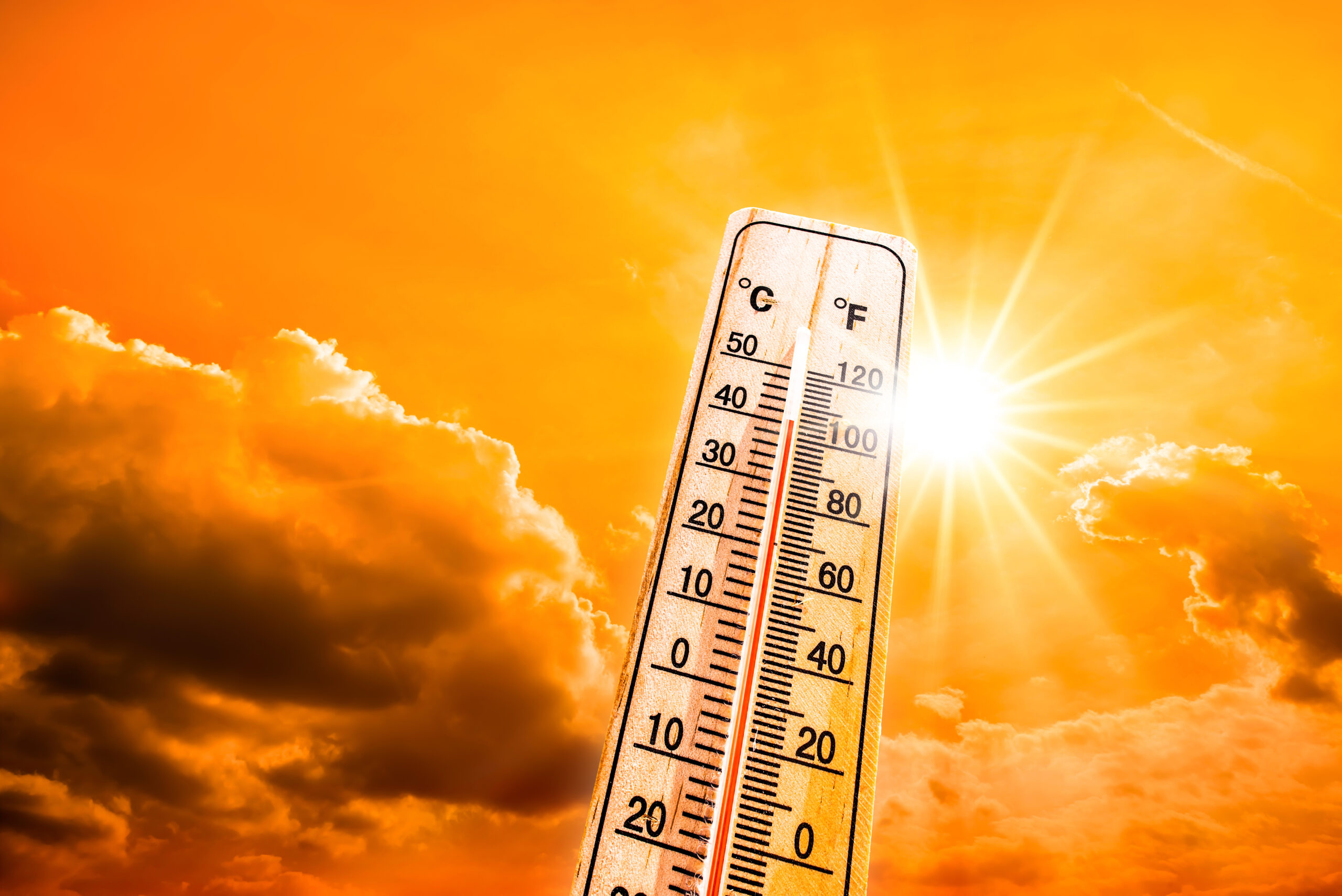
Europe broke its June heat record, and a heat dome that recently moved through North America claimed dozens of lives. In Cayman, we’re used to hot, humid summers, where ‘stifling’ is our typical baseline, but that familiarity does not protect us from what real heat can do to the body.

Whether the heat in question is outside your door right now, or the one waiting for you at Heathrow or JFK this summer, here’s what most people get wrong: Staying hydrated during hot weather isn’t just about drinking enough water.
Water is not enough
Plain water is always your starting point. But in extreme sustained heat, your body loses more than water through sweat: It loses sodium, potassium and magnesium, too. Plain water alone won’t replace those minerals and drinking it by the litre can actually dilute your system further, rather than fix it. What helps is a combination through the day: plain water alongside something electrolyte-rich like fresh coconut water, milk, an electrolyte gel or sugar-free sports drinks.
Different scenarios, practical ideas
At the beach: ‘Salty air, don’t care’ is not the mantra we’re going for this summer. Sun, sea air and rum punch are a dehydration triple-hit, whether you’re at Seven Mile Beach or the French Riviera. Keep a reusable water bottle handy when you’re on the sand and sip through the day rather than waiting to feel thirsty. Peckish? Watermelon, strawberries, cantaloupe, oranges and pineapple all pull double-duty as hydrating snacks.
City holidays: A concrete or cobbled city delivers a different kind of heat stress than the beach, and we consistently underestimate how fast it catches up with us. Carry salty snacks alongside water to replace lost sodium; salted almonds or olives both do the job. Shade, shade, shade. Take proper breaks indoors or undercover and lunch on high-water-content foods such as lettuce, tomatoes, cottage cheese and grapes.
Kids at camp: Children don’t self-regulate hydration well, and thirst is a late signal in a small body. With Cayman’s camp season now in full swing, pack a hydrating snack alongside the water bottle, and flag with camp staff what heat exhaustion looks like: a dry mouth, dizziness, or flushed skin.
Exercising outdoors: Watch your timing. Running, walking, swimming or playing ball-sports in the midday sun can quickly lead to heat exhaustion or worse. Hydrate with water 30 minutes before and after, and if you’re a heavy sweater, out in peak heat, or exercising at real intensity, add an electrolyte drink to the mix.
What makes it worse
Alcohol, caffeine and ultra-processed salty snacks act as diuretics, making dehydration worse. There’s no need to cut them out entirely; just balance them. Swap a few salty crisps for a fruit ice lolly or a handful of veggies and hummus, and break up your rum or wine with an infused water, herbal mocktail or herbal iced tea instead.
Warning signs worth knowing
Headaches, muscle cramps or dark urine are your body’s early warning system, so treat them as a signal to act rather than ignore. Keep a closer eye on children, the elderly and pregnant women, all of whom are more vulnerable to heat exhaustion.
Hydration is one of the simplest things to get right, yet one of the easiest to underestimate. Summer in Cayman, Europe, or the USA may have different heat intensities but the fix is the same small habit: Drink like you mean it, before you’re thirsty enough to notice you haven’t.
Taryn Stein is a registered dietitian (UK) and nutrition coach with experience across the UK, Africa and the Caribbean.
Related Videos