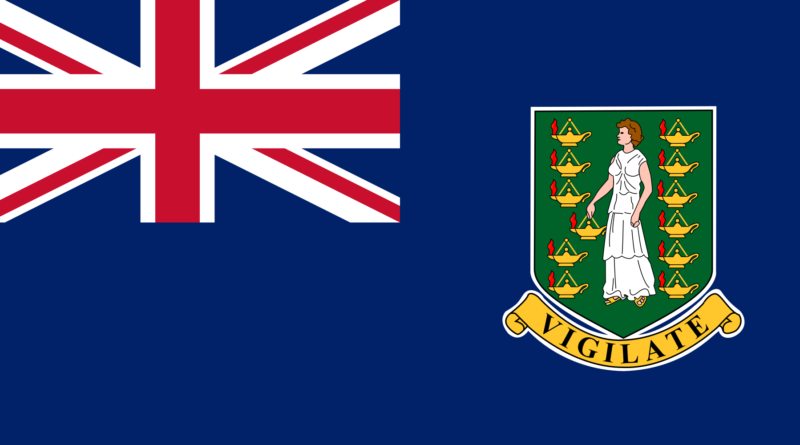
The British Virgin Islands is getting closer to rolling out a national digital currency. The BVI government first announced the initiative in April, stating it had partnered with LIFElabs.io to create an alternative digital payment method for financial transactions across the islands.
Prompted by the experience of Hurricane Irma, the aim is also to provide a rapid cash response during and after an emergency. Infrastructure damage in the aftermath of Irma meant people were unable to access their cash to buy everyday essentials.
A rapid cash response fund, developed by LIFElabs, will enable “the government to swiftly respond to future disasters, affording islanders unimpeded access to their funds”, the company said in a press release. The fund would also provide a platform to receive donations from around the world following a disaster. The use of blockchain technology would make the use of funds more transparent.
“This charity platform will ensure the public can see exactly where their funds are being used and for their intended purpose, creating trust for communities in hardship and transparency for the donors,” the government and the company said in a joint press release in April.
LIFElabs announced more details about the national digital currency at the BVI Digital Economy symposium last week.
Using LIFEtoken, the BVI government is looking to implement a central digital currency that is pegged 1:1 against the US dollar, which the territory has used as national currency since 1959.
It is expected that the initiative will reduce transaction fees and increase transaction speed. The currency will be accessible through a digital wallet to both BVIslanders and visitors to the islands.
LIFElabs’ platform, which connects blockchain solutions, such as merchant services, peer-to-peer transactions, and cross-border payments, will be made available to all businesses in all sectors as a turn-key solution, the company said.
BVI Premier Andrew Fahie said the importance of blockchain technology and the significant benefits it offers the BVI are paramount to the territory, saying, “We welcome this innovation with open arms.”
Fahie added, “As a government, we are committed to supporting areas like asset recovery, Islamic Finance and family offices and positioning BVI at the forefront of Fintech with cryptocurrency, Initial Coin Offerings (ICOs) and Blockchain, all potential areas of development.”
He said digitisation gives the BVI the opportunity to create an economic driver to stimulate its economy.
For LIFELabs.io CEO Sanjay Jadhav, the partnership puts his company “in a unique position to make a massive impact”. He said, “The foundation of a digital currency is necessary groundwork for the British Virgin Islands to continue to serve the global economy as it has in the past with the onset of the blockchain revolution.”
In October, the government of Bermuda announced its own version of a US dollar-pegged stablecoin, saying it was going to accept digital currency as payment for government taxes, fees and services.
From the beginning of 2020, Bermuda plans to allow digital payments in the form of stablecoins, provided they are fully backed by the US dollar and licensed by the Bermuda Monetary Authority.
Meanwhile, the Marshall Islands is developing a digital token, the sovereign (SOV), to establish its own legal tender and lessen the country’s dependence on the US dollar. No start date has been set yet as the Marshall Islands government is ironing out compliance and regulatory issues with the US Treasury and the International Monetary Fund.
Related Videos