
Cayman’s LGBTQ+ advocacy groups have met with local leaders, including Premier Wayne Panton, Governor Martyn Roper and Police Commissioner Derek Byrne, in a concerted push for anti-discrimination legislation that will tackle hate crimes.
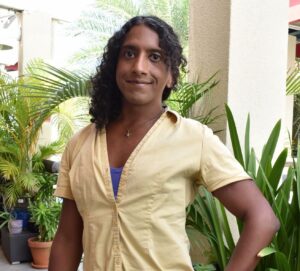
Noel Cayasso Smith of the LGBTQ Foundation and Billie Bryan of Colours Caribbean, along with representatives of both organisations, delivered the message that such a law was necessary in the wake of a homophobic attack on two men in the car park of the Strand on West Bay Road in the early hours of 3 Jan.
Cayasso Smith met with Governor Roper on 12 Jan. and Commissioner Byrne on 18 Jan. to discuss the issue. He told the Cayman Compass that the police commissioner has undertaken to review existing legislation and seek recommendations from local non-profit organisations on the creation of a hate crime law for Cayman.

“I’m very pleased that the commissioner has taken this seriously and is basically starting the process,” he said. “I thank the governor very much for making sure that this has been pushed to the forefront.”
Police to set up advisory group
The Royal Cayman Islands Police Service, in a statement to the Compass, said two representatives from the RCIPS had met with members of the LGBTQ+ community to discuss their concerns.
“In what was a constructive initial meeting, it was agreed that this type of collaborative and consultative process will continue, with the aim of establishing an Advisory Group comprising of stakeholder representatives of the full range of communities who are vulnerable to hate crime. It is anticipated the advisory group will help shape policy, training and education in these matters and lobby for any necessary legislative reform,” the emailed statement said.
Colours Caribbean meetings
Colours Caribbean, in a statement on its meeting with Panton and Roper, said it would continue to push for the implementation of hate crime and anti-discrimination legislation “by any means necessary”.
The group said it planned to meet with members of the UK Parliament to highlight the significance of such legislation for the Cayman Islands and all other British Overseas Territories.
“Colours Caribbean also commits to continuing to offer its training on political and social issues surrounding gender and sexuality through its educational workshops for government, schools and the workplace, as it has since 2016,” the group said.
In its statement, Colours said Roper was “very receptive and understanding” throughout the discussion, “noting the significance of such legislation to protect not only LGBTQIA+ people but also other minorities such as people with disabilities or people with HIV”.
Attack still under investigation
Police have made no arrests in 3 Jan. attack, which left one man nursing a broken nose. A $10,000 reward has been pledged by a local philanthropist for information leading to the arrest and conviction of the people behind the attack.
“Colours Caribbean is deeply concerned that the victims, having endured such a heinous attack, now have the added burden of no protection from discrimination should their identities become public,” a statement from the group said.
“Colours Caribbean also considers it illogical and unacceptable for persons to be able to enter into same-sex civil partnerships under the Civil Partnership Act and yet not be protected against discrimination on the basis of their sexual orientation, for example, in the workplace or when accessing healthcare or other public and private services.”
Roper, following his meeting with Cayasso Smith, said while implementing legislation was a government decision, he agreed it was an important discussion to be had in the community.
Wider discussion to shape law
Cayasso Smith welcomed the inclusion of other advocacy groups in the process to explore what Cayman’s hate crime law should include.
“It’s great to know that other organisations are being included because… we all are hurting. I think a hate crime law should cover and benefit everyone, not only the gay community,” he said.
Cayasso Smith said he has yet to hear back from government officials, in particular the premier, on the PACT administration’s position on the legislation.
Colours, in its statement, added that it reminded the governor and the premier of the Cayman Islands’ international legal obligation to have in place anti-discrimination legislation under the European Convention on Human Rights.
This obligation, it said, has existed for more than 22 years.
“It first arose in 1999 when the decision in Smith and Grady v UK 29 EHRR 493 was delivered by the ECHR in Strasbourg against the UK. It is also a legal obligation that was highlighted to the Cayman Islands and UK governments by Professor Robert Wintemute of King’s College in London during his lecture in the Grand Court on 15 January 2015,” the statement added.
The Compass has reached out to the Premier’s Office for comment and is awaiting a response.
Related Videos