

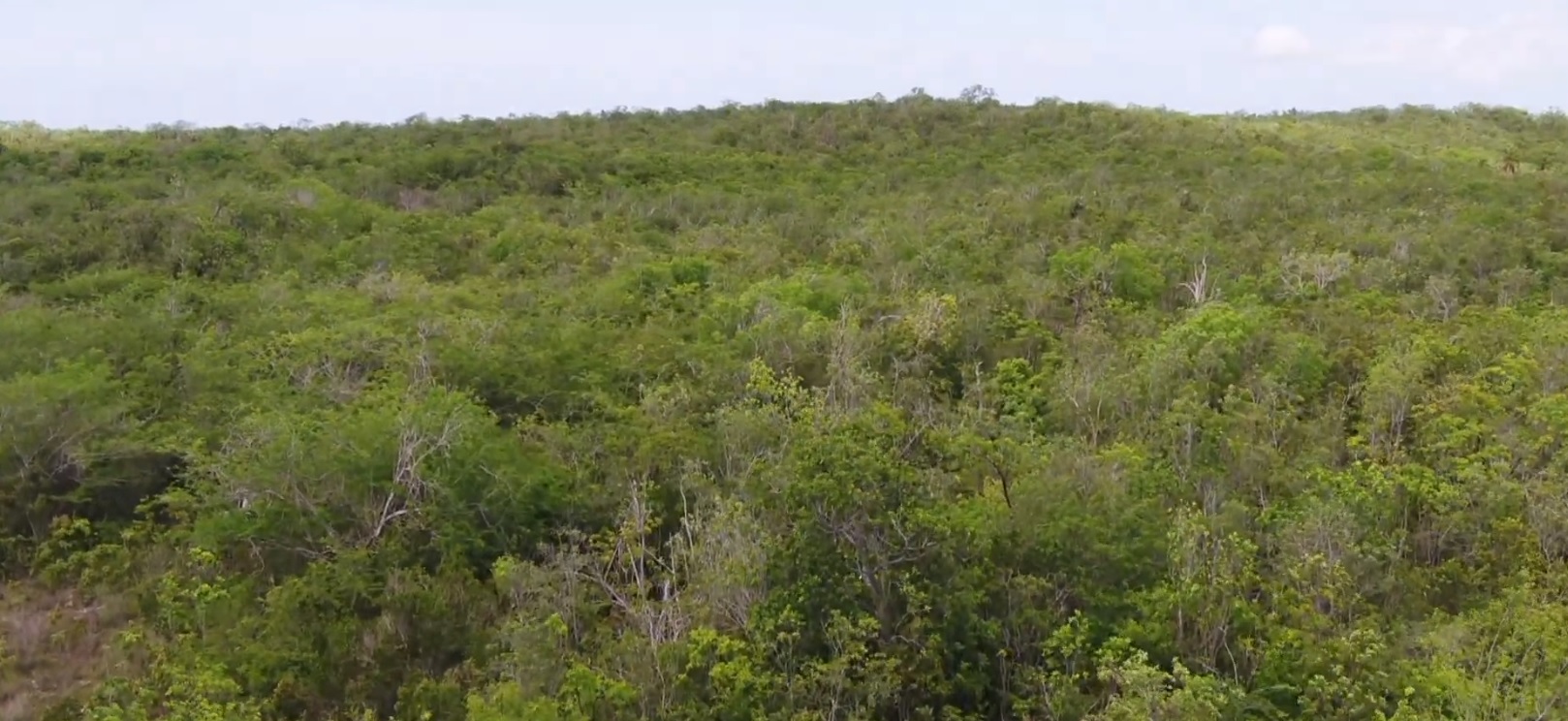
The National Conservation Council has agreed that an environmental impact assessment needs to be carried out on a government proposal to extend Hutland Road in North Side through an area described as some of the “most biodiverse forest habitat” in the Cayman Islands.
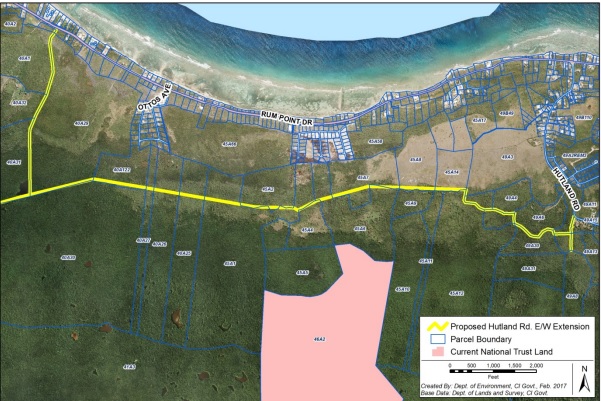
Director of the Department of Environment and council member Gina Ebanks-Petrie, in a presentation on the impact of the proposed “farm road” at an NCC meeting last week, explained that the plan involves extending the road along the North Side ridge which borders ecologically important wetlands.
The planning ministry first proposed the 3.5-mile road extension – from the end of Hutland Road to Rum Point Drive – back in 2017, with the intention that it would be used by farmers in the area to carry cattle in trailers or to access their crops.
The NCC is concerned that once the road opens up, along 976 acres of pristine forest lands, it will lead to non-farm-related development in an area that is currently undeveloped and home to many protected species.
“What we’re concerned about here is that ridge represents an area of probably the most biodiverse forest habitat that we have on the islands,” Ebanks-Petrie said at the 29 June NCC meeting. “We’re extremely concerned about the effects of pushing a road through here, both from the construction of the road and all the edge effects that will likely happen, but also the impact of the road on land use in the area.”
She explained that the creation of new roads in previously undeveloped areas “acts as a driver for development”.
She added, “We just think that there are some huge implications as a result of this. The biological value of the area, the ecological value of the area, is very high… and we think that there needs to be very good information available to the decisionmakers who will decide whether or not, on the basis of an EIA, this road is pushed through this area.”
The ministry has modified its proposal since 2017, taking into account advice given by the National Conservation Council, but the plan remains under a screening requirement to determine if an EIA is necessary.
Following a review in April this year, the DoE determined that, apart from the direct impacts the construction of the road would have on the area, the extension would need an EIA because of the “huge potential to open up undeveloped land for non-farming development, particularly land that’s not suitable or targeted for farming”, Ebanks-Petrie said.
According to the DoE’s screening opinion, the elevated North Side ridge area contains a number of protected trees, including the black mastic, ironwood and mahogany, and 24 species of forest birds. It noted that there are few high elevation forests on Grand Cayman, and they are therefore “extremely valuable”.
The DoE pointed out that the western section of the road also passes through black mangrove wetlands and a pond.
Related Videos








Cut and destroy. Another government project to destroy the environment, I see listed all the reasons not to build this road and non to build it