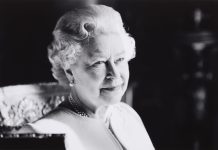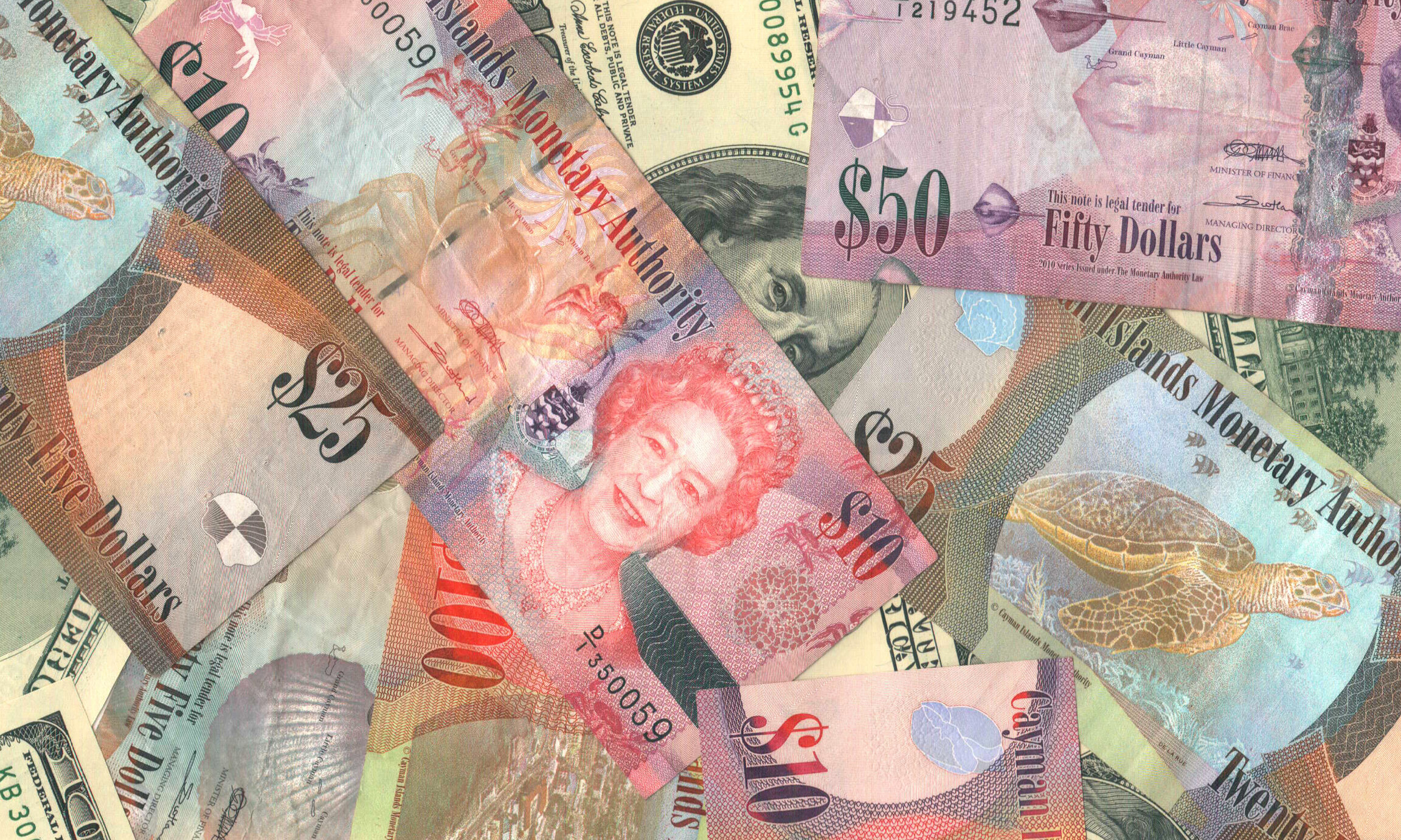
Following the passing of Queen Elizabeth II there are no immediate plans to replace Cayman’s currency featuring her portrait.
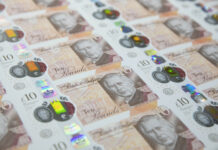
There have been conflicting reports in the UK about how quickly pound sterling coins and notes bearing the image of the Queen would be substituted by new currency featuring the image of King Charles III.
In the Cayman Islands, the government’s website explained in a frequently-asked-questions section that bank notes showing the Queen “will be phased out over time”.
The Cayman Islands Monetary Authority (CIMA), which is responsible for issuing the Cayman Islands dollar, only said in a statement, that all current Cayman Islands banknotes and coins are still legal tender and will remain so until further notice.
“As we move forward, the public will be kept informed,” the authority said.
UK currency plans not yet clear
The Guardian reported bank notes in Britain were likely to be recalled and phased out over the next two years. When the latest synthetic GBP50 notes were issued in June of last year, it took about 16 months to replace the old paper notes, which cease to be legal tender at the end of September 2022.
Sky News, on the other hand, quoted Coin Expert, an affiliate of the Royal Mint, saying that, while at some point a new portrait of King Charles III will feature on any new currency, coins and notes bearing the Queen’s portrait will continue to be issued for at least the remainder of the year.
Coins and notes would not be recalled, the report said, but gradually replaced over the course of many years. The process entails banks and post offices issuing newly designed coins and notes and collecting the older versions.
In any event, there appeared to be a consensus that replacing coins bearing the image of the Queen would take much longer than phasing out older bank notes.
The Bank of England only confirmed in a statement following her death on Thursday that “current banknotes featuring the image of Her Majesty The Queen will continue to be legal tender”.
The bank said, “A further announcement regarding existing Bank of England banknotes will be made once the period of mourning has been observed.”
Changing the face of money
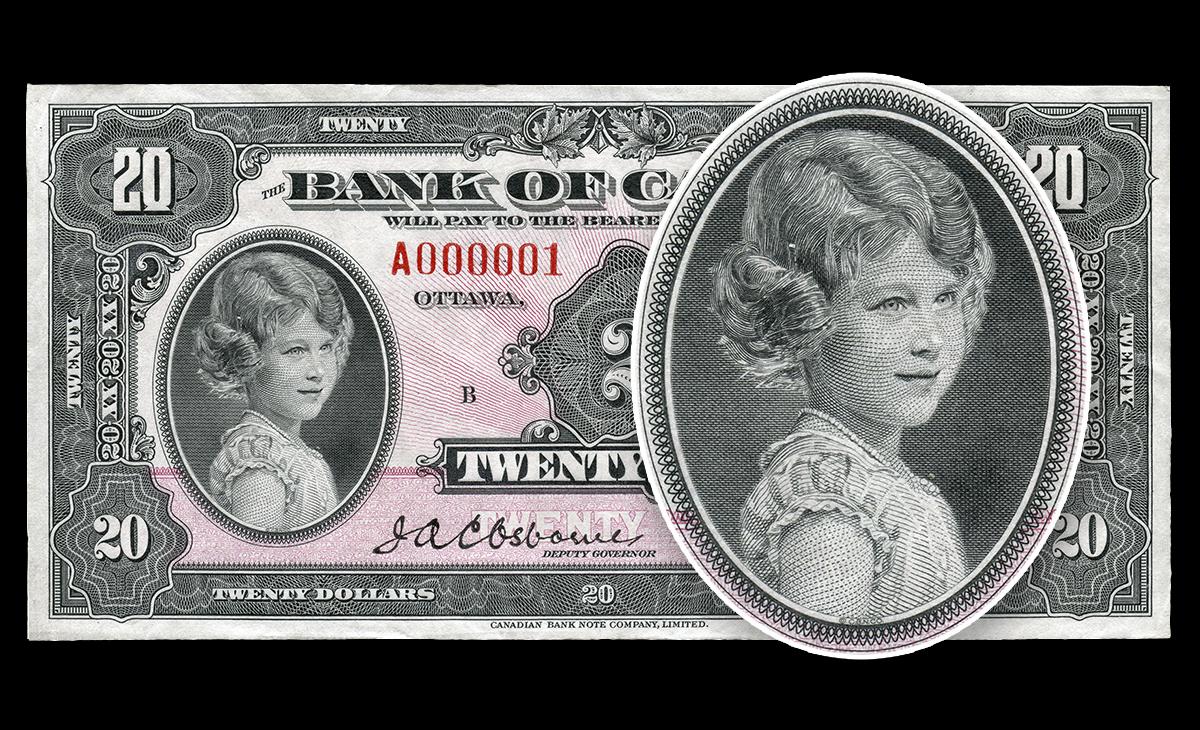
When Queen Elizabeth acceded to the throne in 1952, it took eight years for her to appear on British pound sterling notes.
For almost a century, she became the face of money across the globe, from Fiji to the Eastern Caribbean and from Canada to Australia.
Long before becoming Queen, Elizabeth II first appeared on a banknote, the Canadian $20 issued in 1935, at the age of 8 when her grandfather King George VI was monarch.
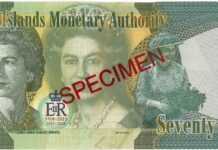
In the Cayman Islands, the Queen has been a permanent feature on all bank notes and coins since the introduction of the Cayman dollar in 1972. Cayman’s latest dollar series shows her at the age of 73.
The portrait of the monarch recognises Cayman’s status as a British Overseas Territory.
While it can be expected that King Charles III is going to be the face of any newly issued banknotes and coins in the future, this is likely to take many years.
In April 2011, all six denominations of notes – $1, $5, $10, $25, $50 and $100 – were completely redesigned with new images, patterns and security features, after a process that lasted four years.
Earlier versions of the Cayman dollar, the A to C series issued in 1972, 1991 and 1998, are being withdrawn from circulation but remain legal tender.
In June 2022, there were CI$166.6 million in notes and coins in circulation, according to CIMA statistics.
Related Videos