Almost no progress has been made on improving the speed and efficiency of Cayman’s backlogged court system, a scathing new report indicates.
Plans for a new court building – long identified as a requirement – are also stalled in the planning stages while there is still no system for assessing the costs of bringing cases through the Summary Court system.
Almost three years after a slew of problems were first outlined by Auditor General Sue Winspear, virtually nothing has been done to remedy the issues, according to the progress report.
Without that groundwork, she said, government risks wasting money on a flawed new court building that is not fit for purpose and requires further expenditure down the line.
Winspear said court managers had not made progress on any of the 10 recommendations outlined to improve efficiency, cost effectiveness and performance management in the court system, and she urged the new Chief Justice Margaret Ramsay-Hale to tackle the issues head on.
“Judicial Administration has not yet established a performance management framework for the criminal justice system,” Winspear said. “It is essential that robust performance information is in place to understand the reasons for adjournments and delays in court cases and make improvements where necessary.
“Efficient and effective administration is essential to maintain public trust in the justice system.”
She acknowledged that COVID-19 had contributed to backlogs in the system but re-iterated serious concerns over the lack of progress.
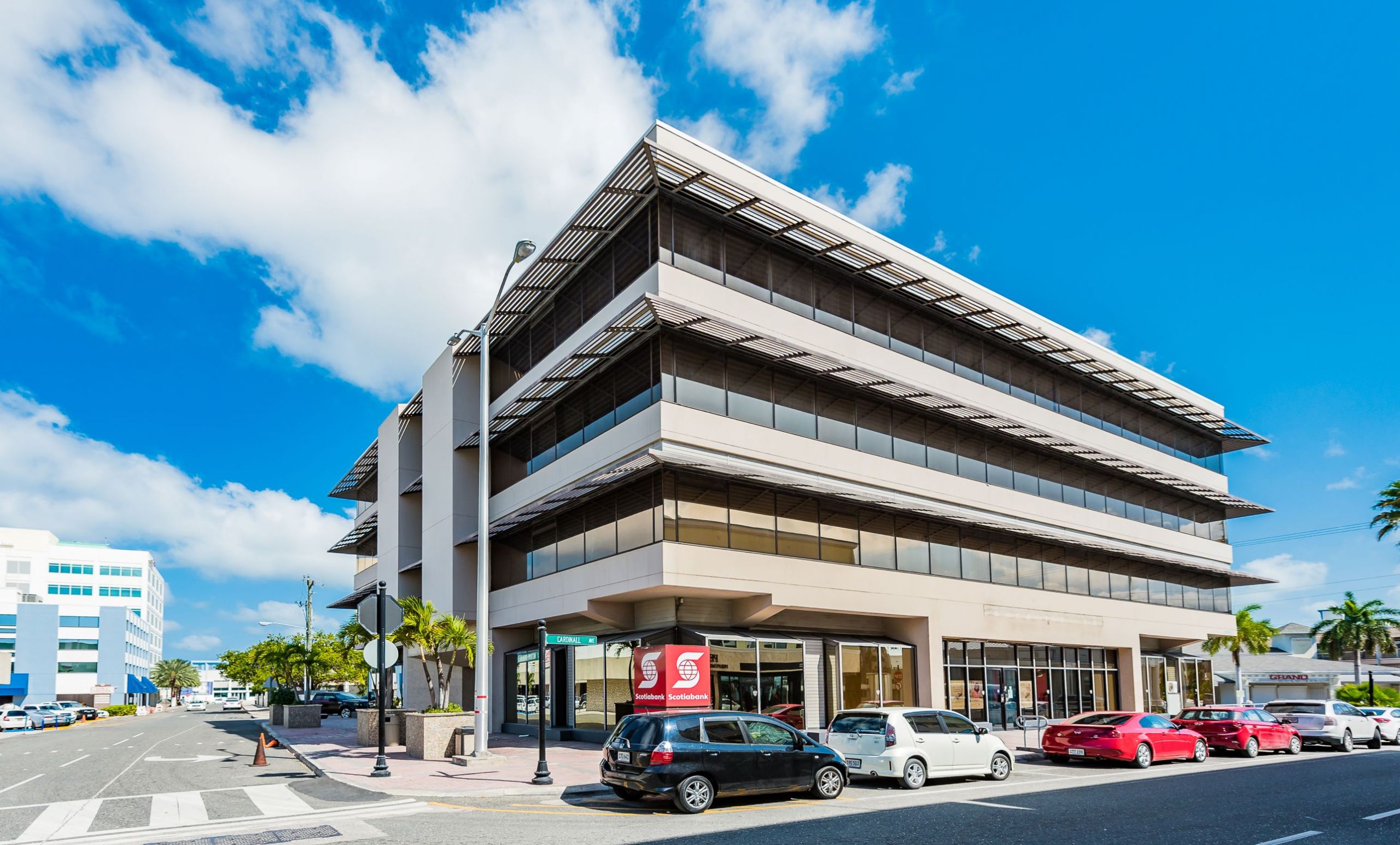
Government purchased the old Scotiabank building in George Town in 2018 and more recently allocated almost $2 million for refurbishments to create new court space.
Needs not identified
However, a wider needs assessment for the courts system to inform future infrastructure development remains outstanding.
“It is almost three years since I recommended that Judicial Administration consult court users to identify their needs, perform long-term demand projections, and feed this information into the Outline Business Case for the new court building,” Winspear said.
“This has not happened and there is still no Outline Business Case. Without taking these steps, the Outline Business Case for the project will be flawed and result in a court building that is not fit for its purpose. This could result in Judicial Administration incurring additional, unnecessary costs to modify the building later.”
Some of the efficiency improvements and cost analysis recommended by the auditor general appear to hinge on improvements to the court’s IT systems.
The progress report indicates that Judicial Administration was forced to write off $75,000 it had invested in a system-upgrade project and switch to a new court database system.
A further $125,000 has been spent on that system which administrators have suggested will help it monitor performance and efficiency.
Overall, the auditor general rated the response to her initial report on ‘The Efficiency of the Summary Courts’ as red, meaning there had been limited or no progress, with only three of its 13 recommendations having been implemented.
Those three recommendations were directed to the government; the other 10 were directed to Judicial Administration and have not been implemented.
Related Videos