Celebrations were held in districts across Grand Cayman last week to honour the hundreds of Caymanian women who fought for their right to vote 66 years ago.
Government ministers joined family and friends at the five inaugural events which recognised the tenacity and bravery of the pioneering activists.
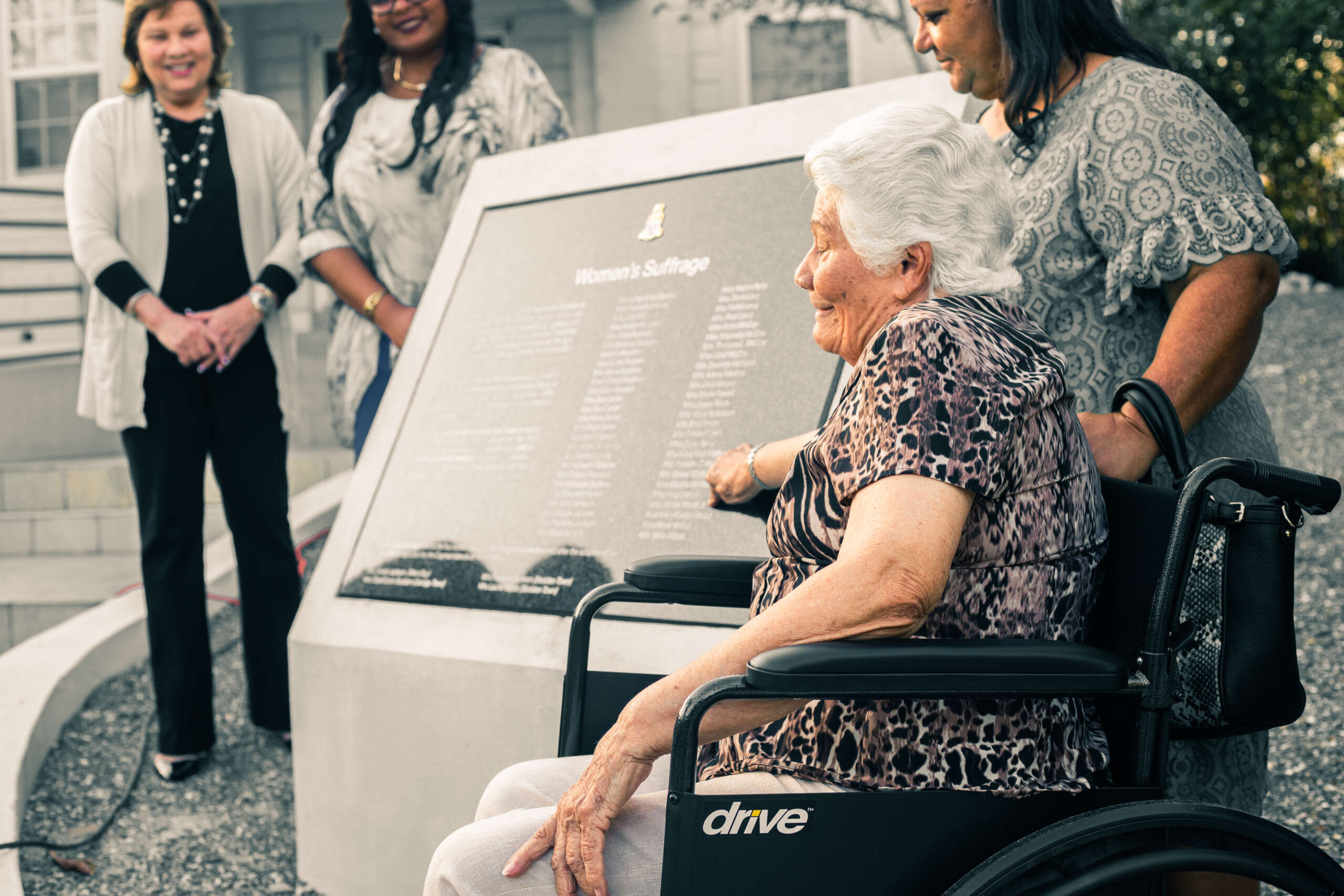
As a permanent reminder of the suffragettes, Premier Wayne Panton and fellow ministers unveiled granite plaques in each of the districts throughout the week.
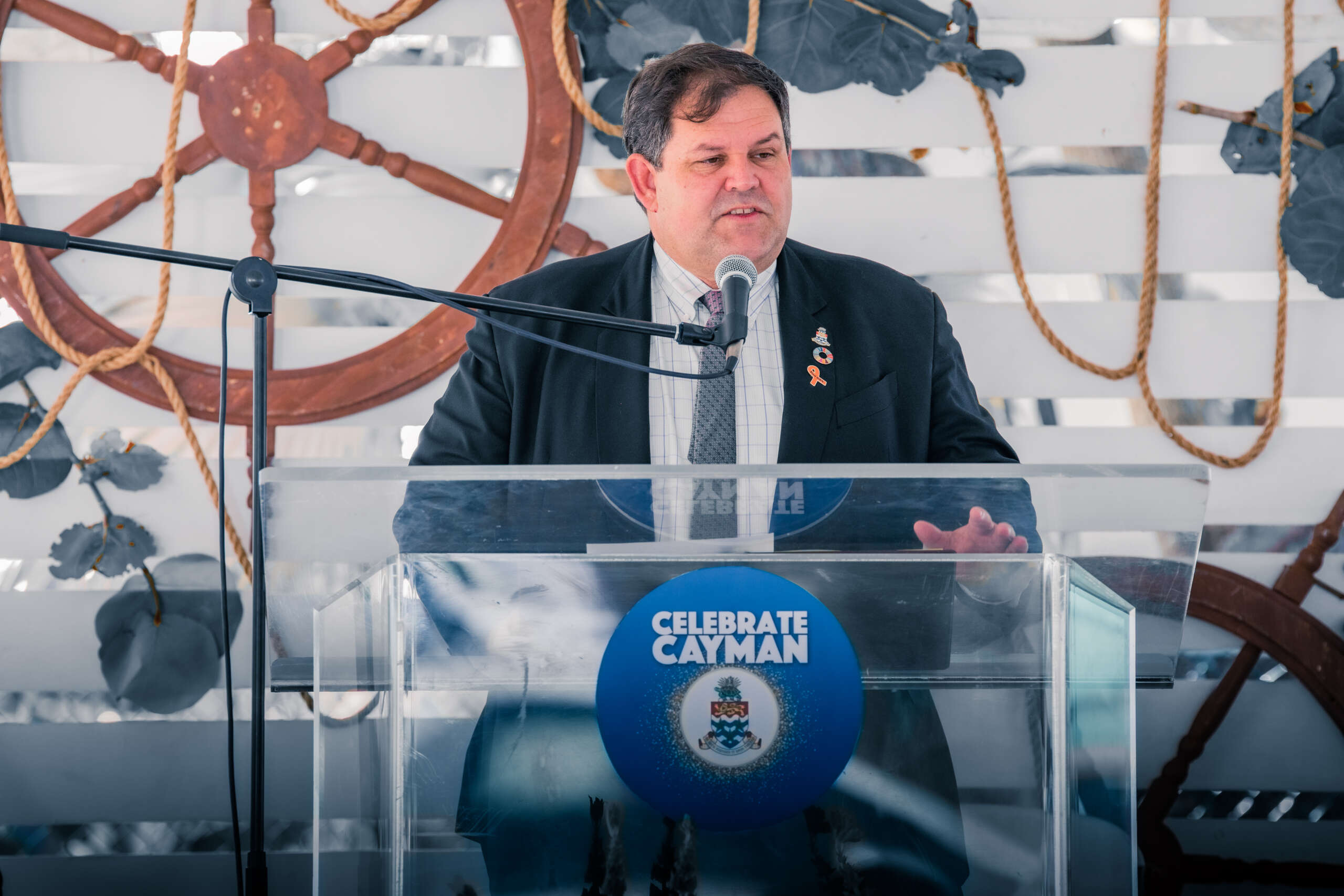
In the Bodden Town celebration on Tuesday, 28 March, the premier offered a “much deserved tribute” to the “trailblazing” women he described as brave and courageous.
“They not only fought for suffrage, but they fought for gender equity as well, ensuring that everyone was treated with respect regardless of the agenda,” he told the attendees.
The right to vote
Women first lobbied for universal adult suffrage in Cayman back in 1948, when 24 residents declared their intent to vote. However, they were told they had no constitutional right.
Nine years later, determined activists passed a petition around demanding both women’s right to vote and to hold office in the Cayman Islands. It was signed by 358 women.
The petition was placed before the Legislative Assembly of Justices and Vestry on May 27, 1957.
“This was a revolutionary move,” Panton said, “as it was the first time a unified voice of women stood up for their rights and challenged a custom they had accepted for so long.”
Parliament passed the Sex Disqualification (Removal) Law in December 1958, which allowed Caymanian women to finally participate in the political process.
One year later, in September 1959, four women were named on the ballot paper to run for office – Birdell Jackson, Ethel Cook-Bodden, Francine Jackson and Laurel Watler.
District celebrations
This March, Celebrate Cayman hosted the five district celebrations at libraries and town halls in East End, North Side, Bodden Town, West Bay and George Town.
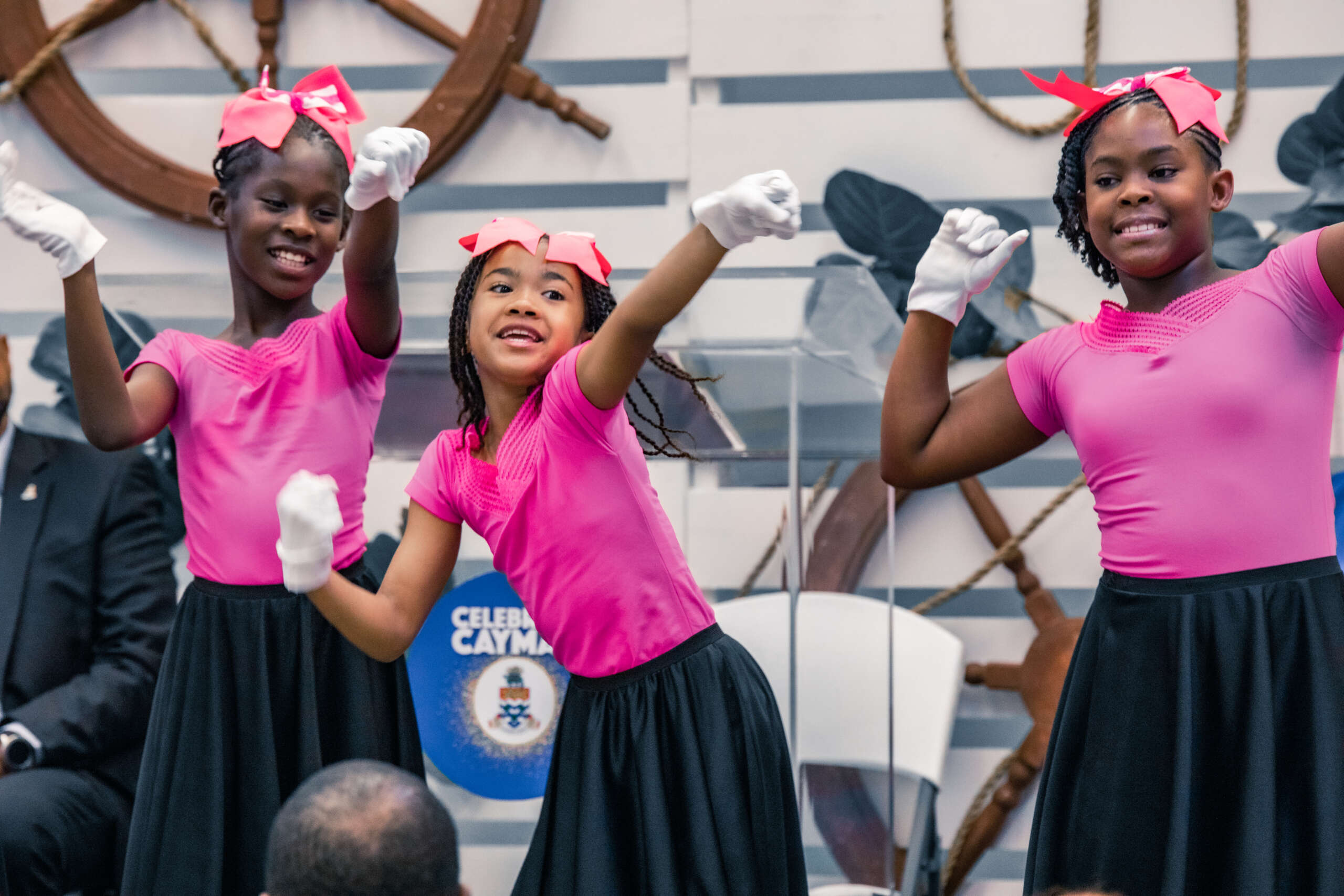
The events, which featured speeches, song and prayer, represented the seven districts of the time – including Gun Bay and Crewe Road – and were held from 22 to 31 March.
Celebrate Cayman Chairman Alfonso Wright said that, as the territory was celebrating Honouring Women Month in March, it was apt to recognise the female pioneers.
“Today, our parliament holds the greatest number of female MPs to date and our civil service boasts many women in senior leadership roles,” he said.
“As we make further strides as a country towards gender equity, it is humbling to acknowledge how far we have come.”
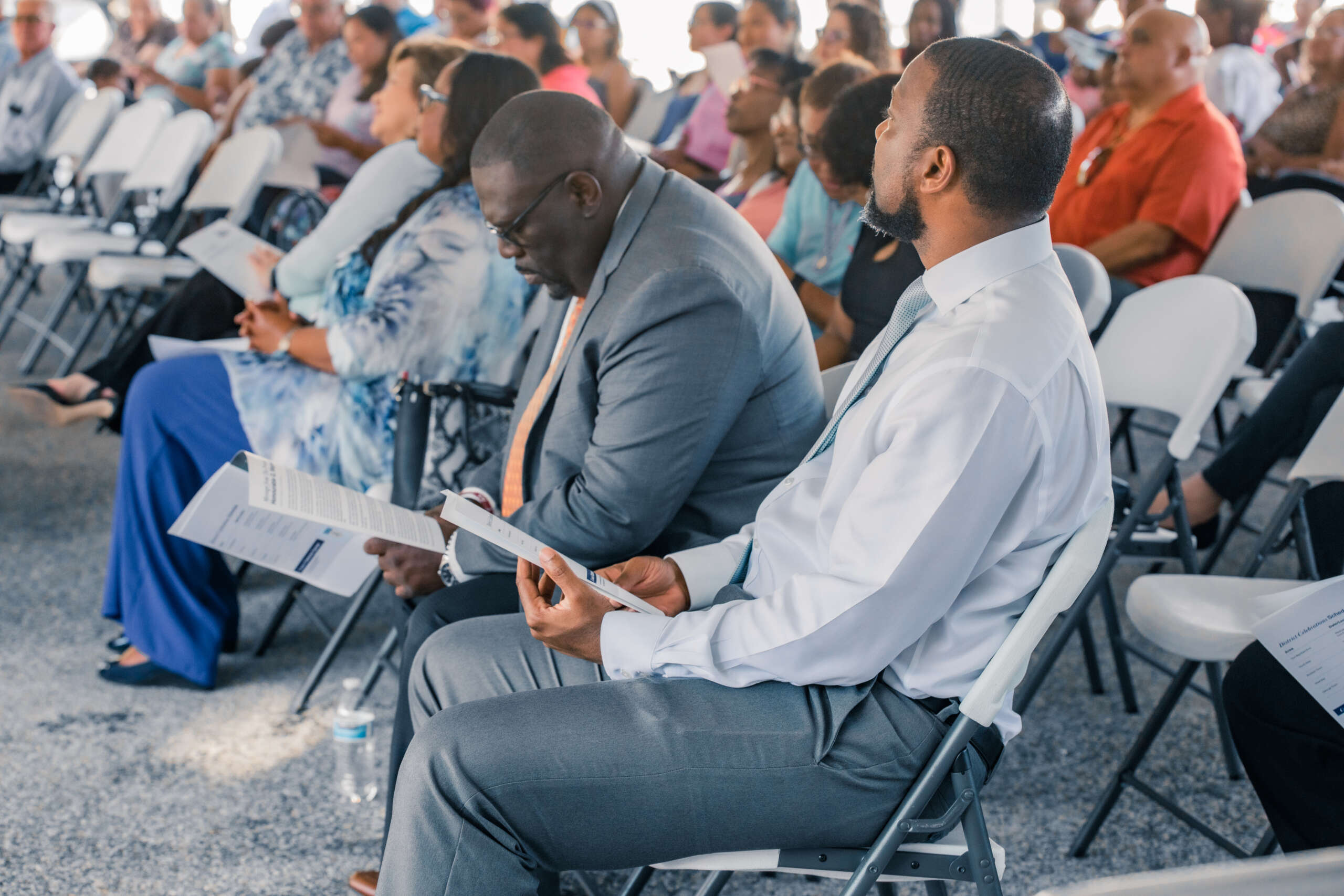
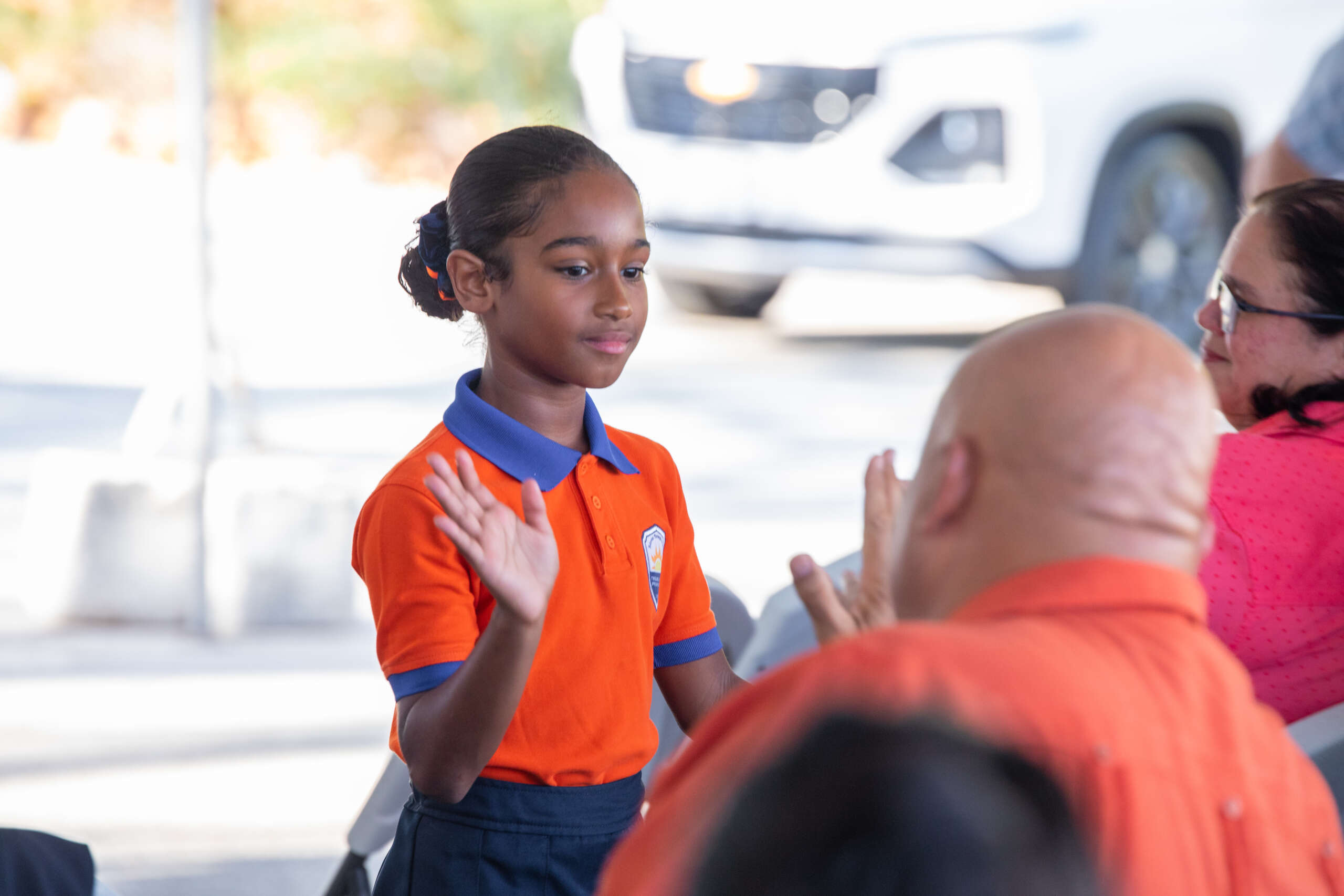
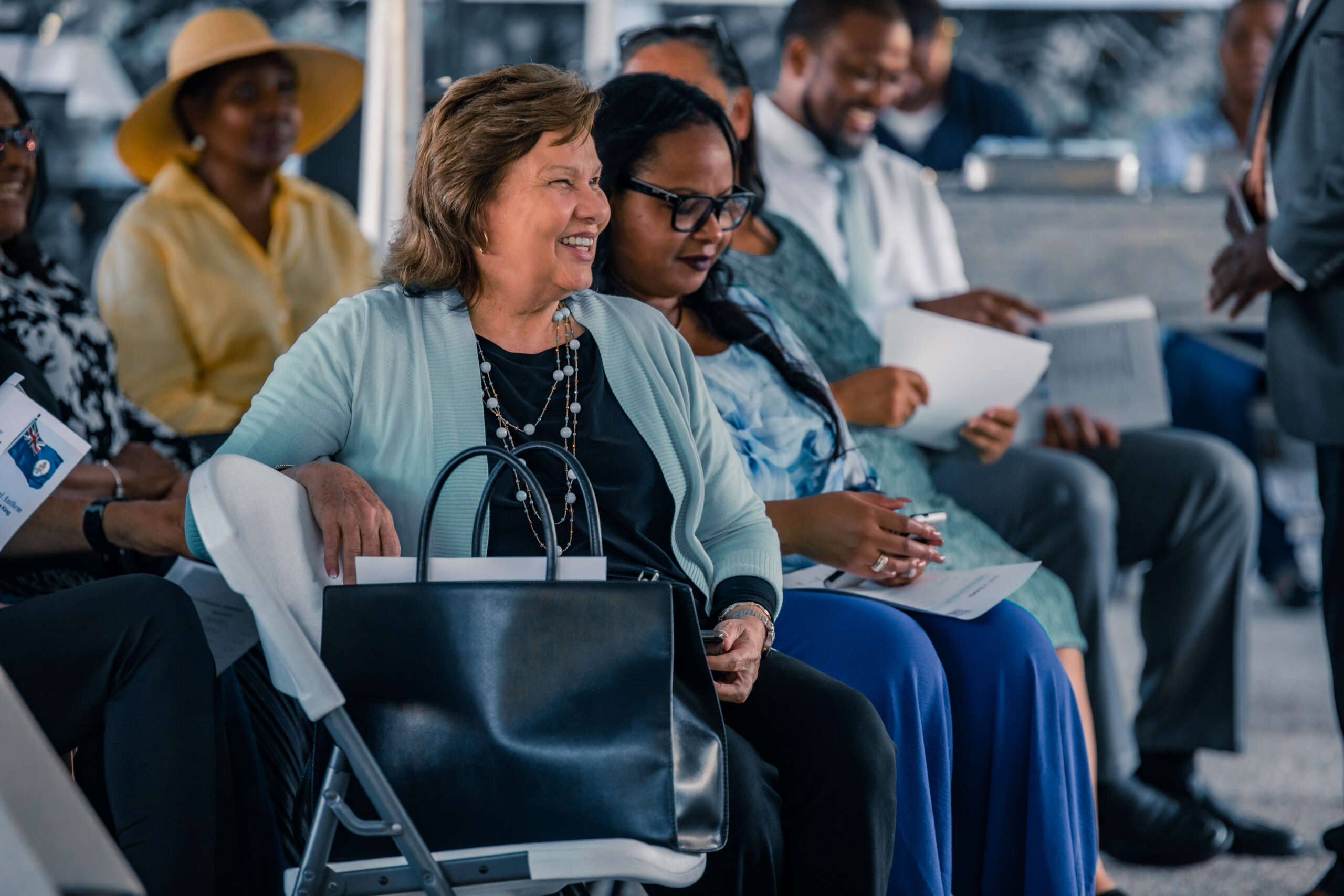
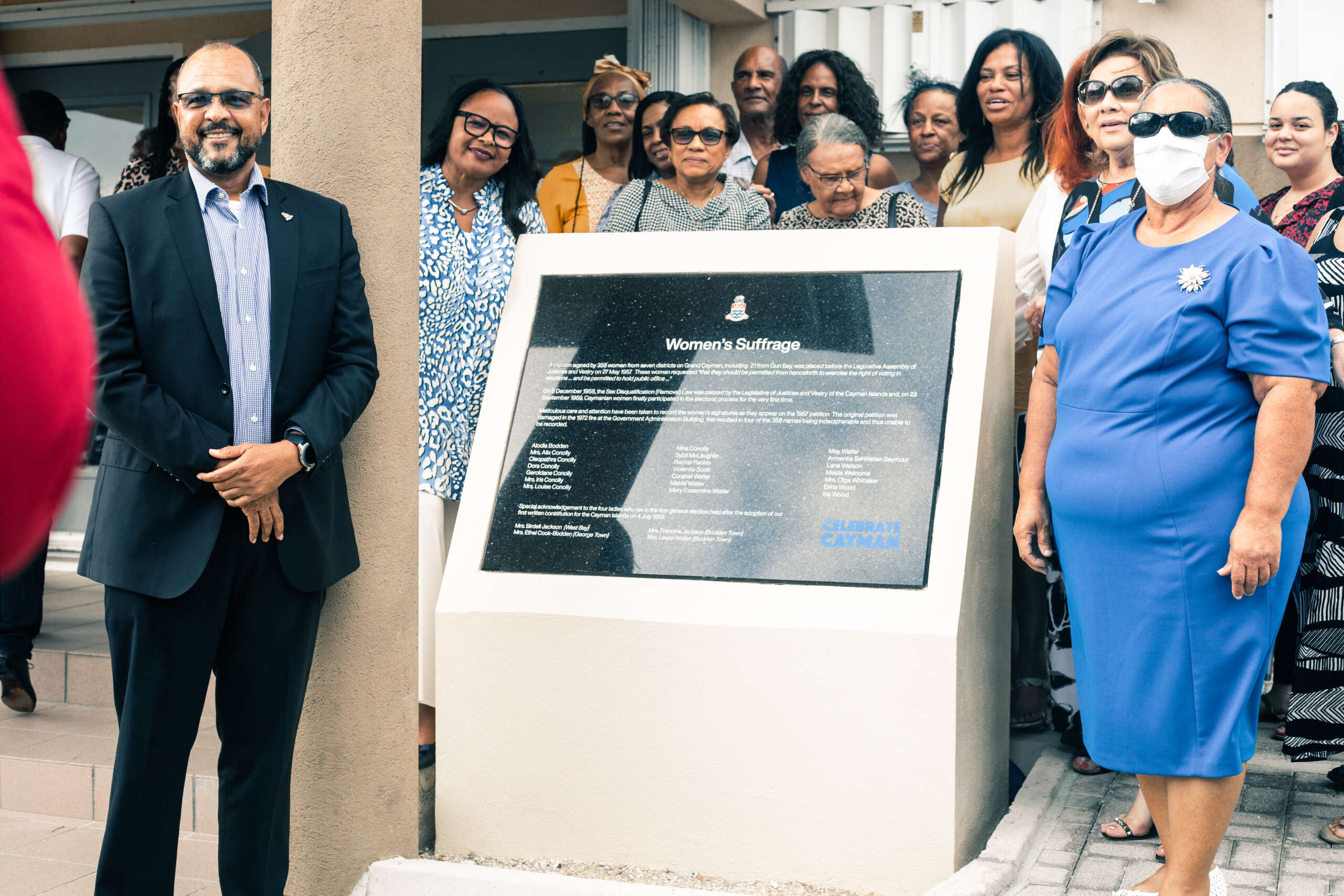
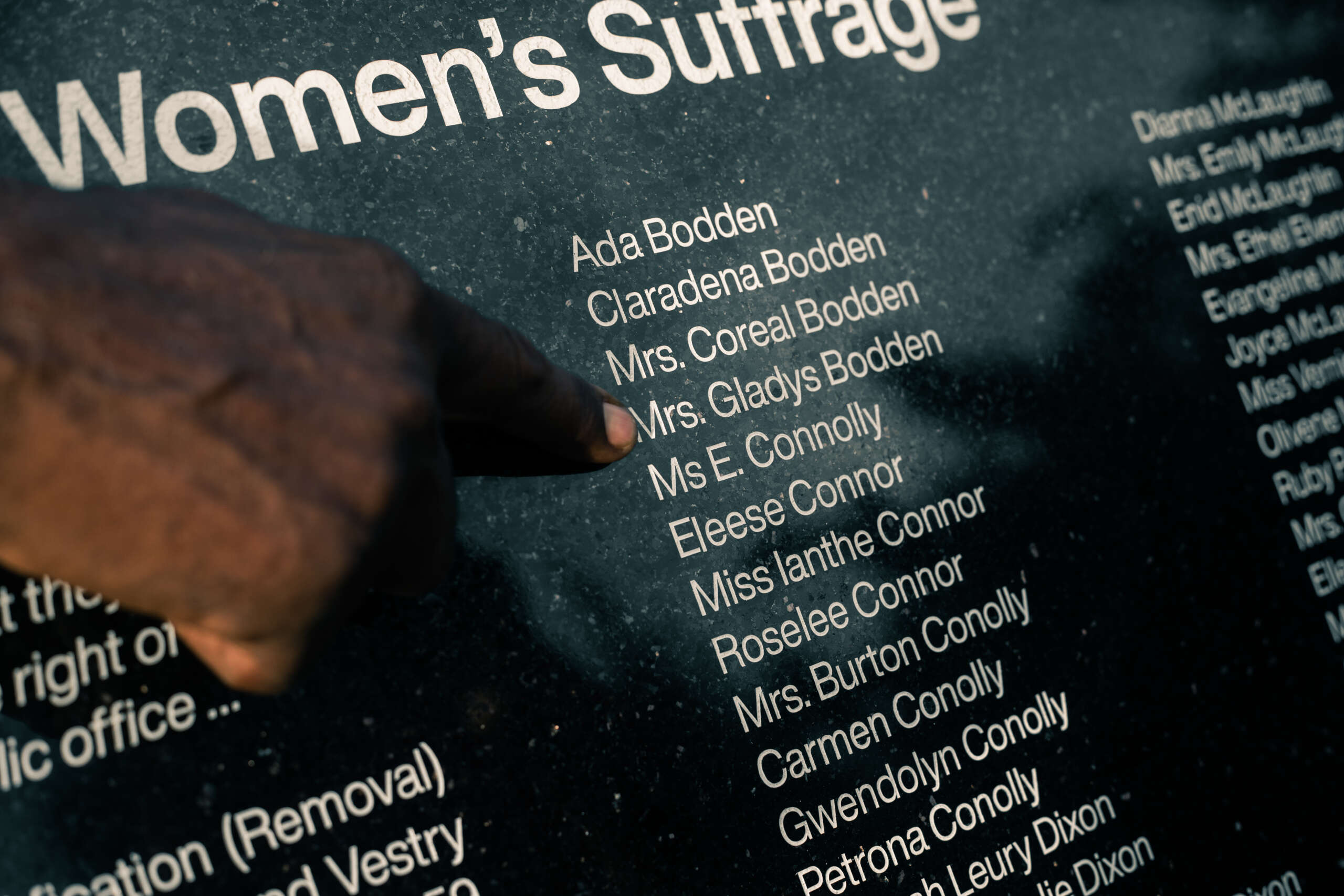
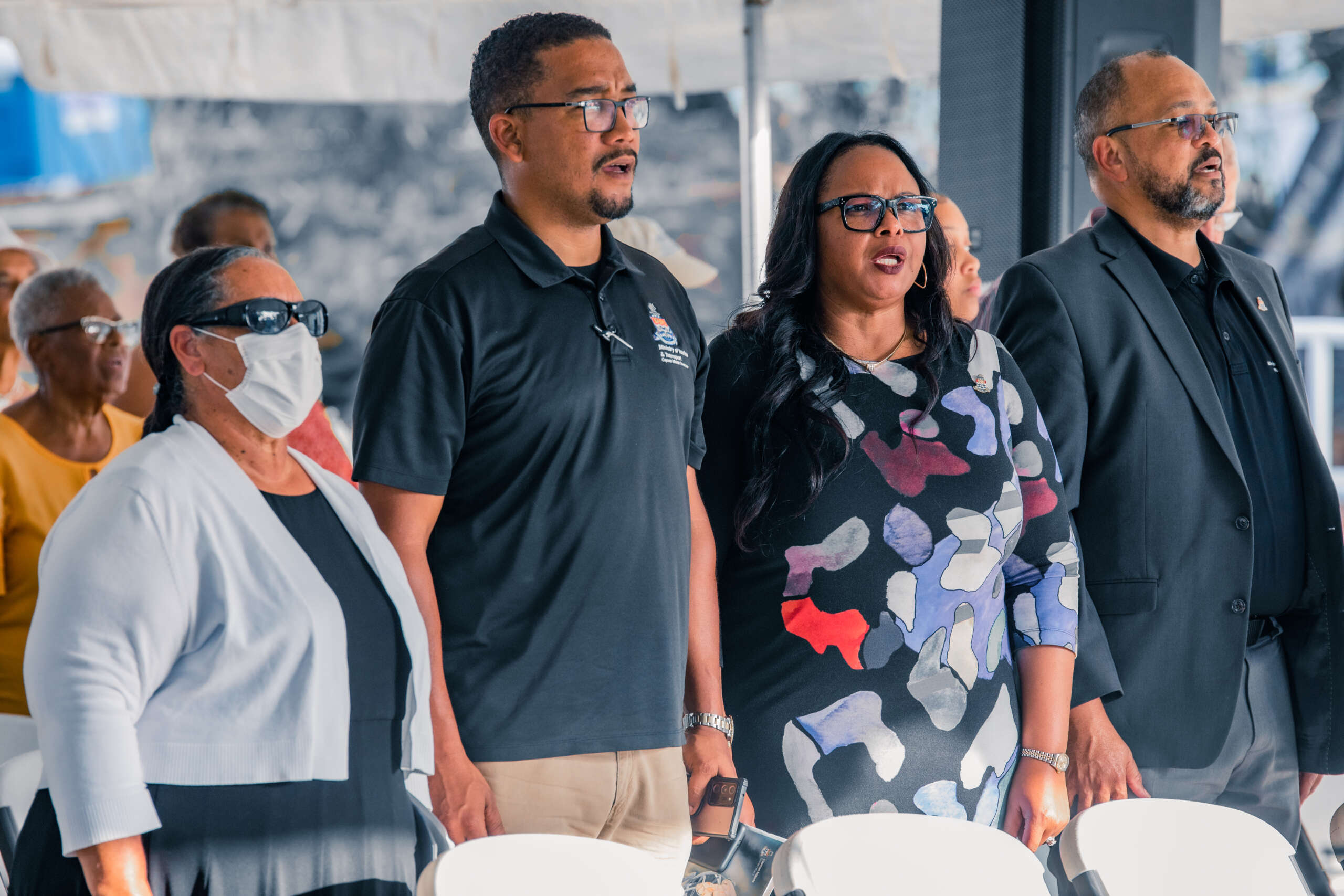
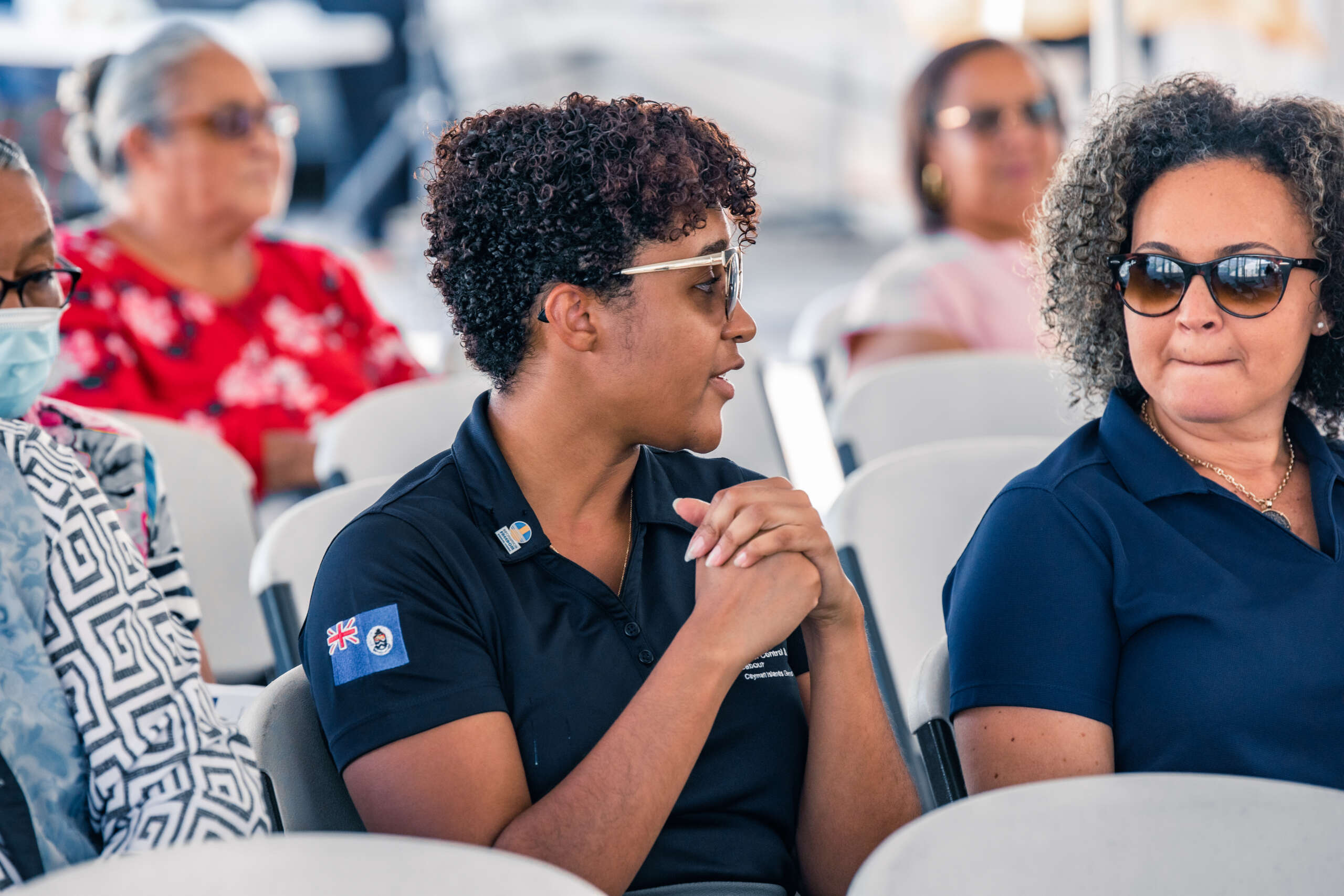
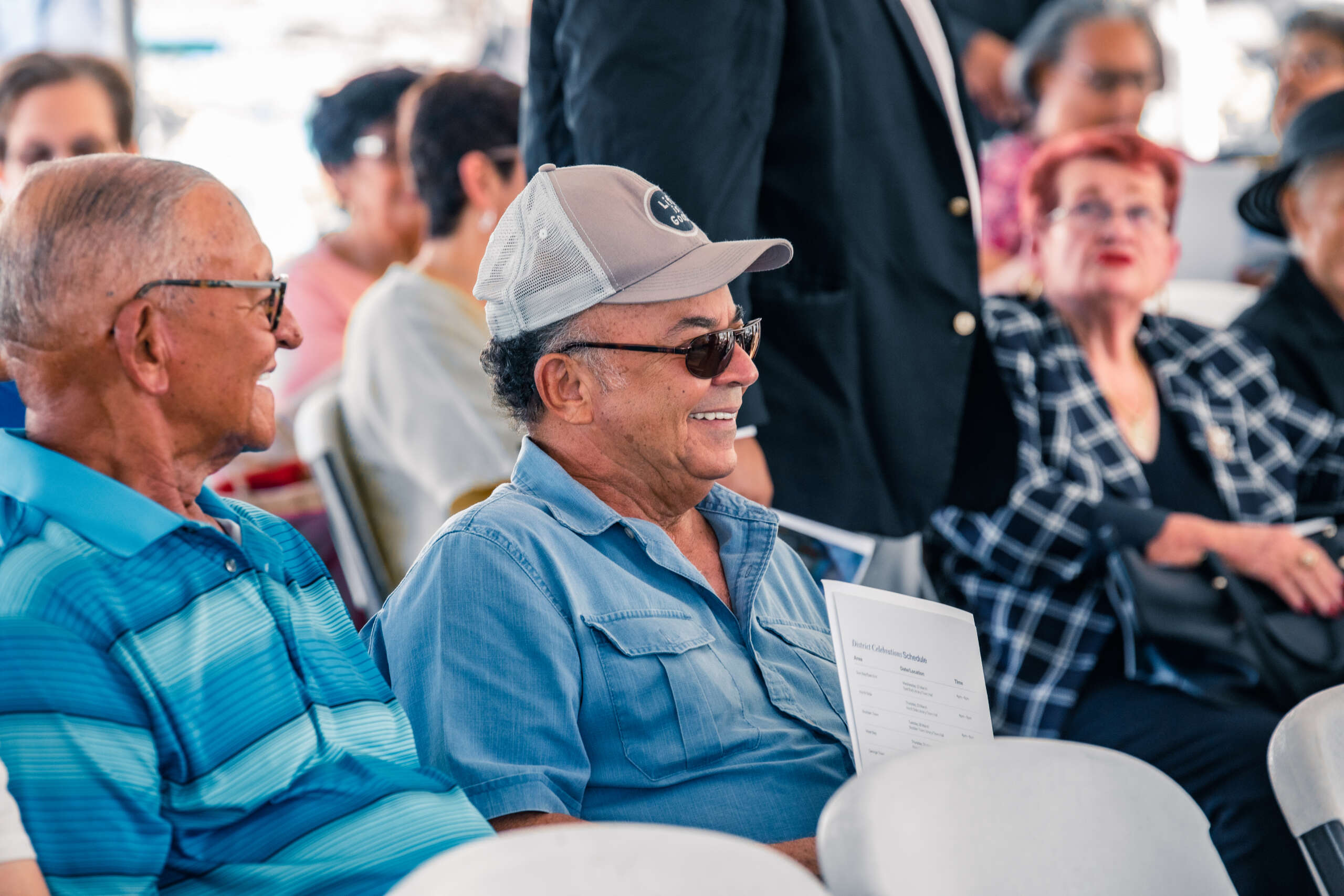
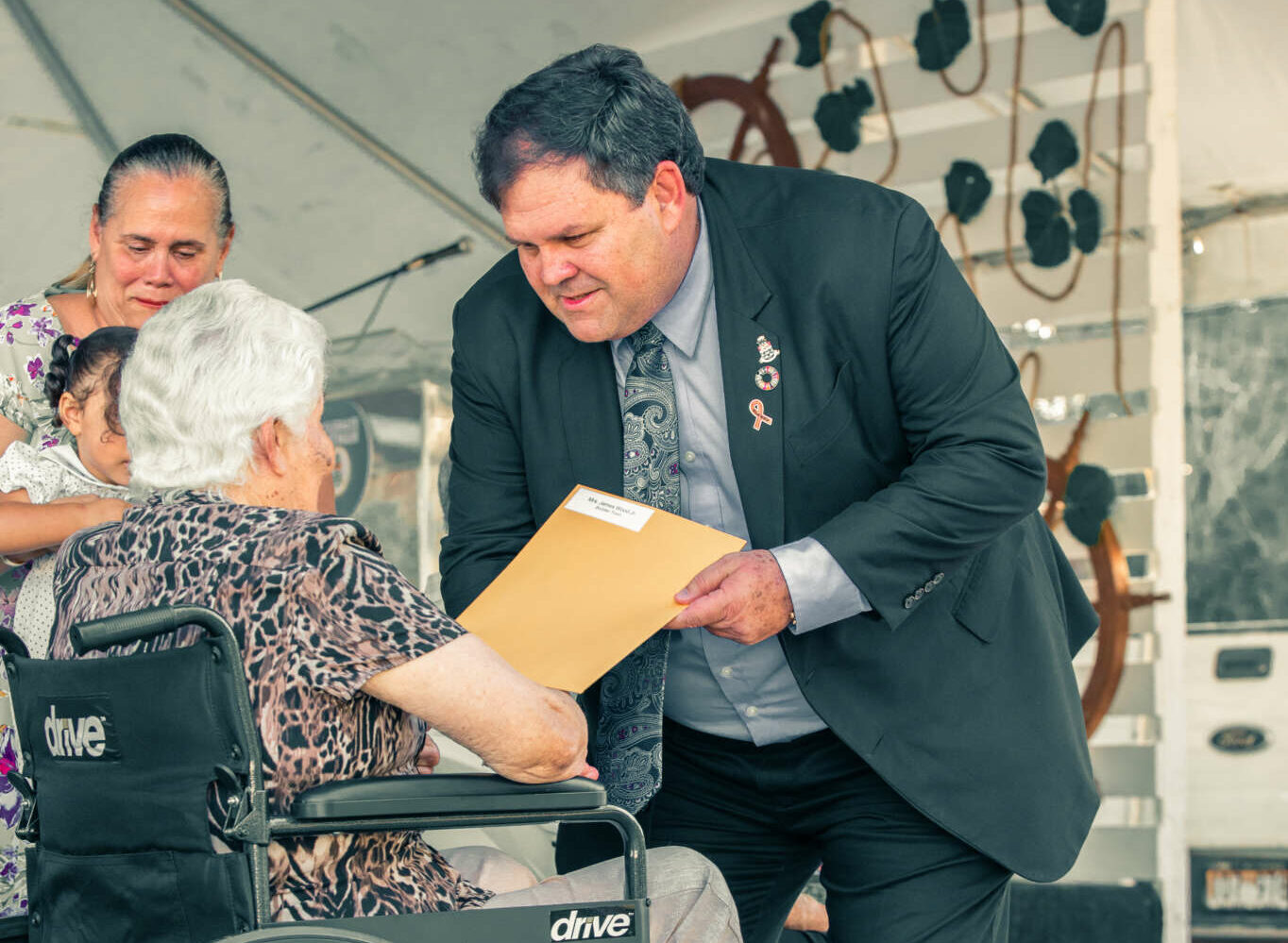
During the celebrations, government representatives called the names of the women in the respective districts that signed their names on the 1957 petition.
Panton said the success of Cayman’s progress towards increasing female representation in politics can be attributed to the brave women who challenged the status quo.
They “took this issue by the helm, challenged discriminatory social norms, and ultimately promoted the equal rights of all people in the Cayman Islands,” he said.
“These women were, without a doubt, some of the true architects of Caymanian society.”
A history of strong women
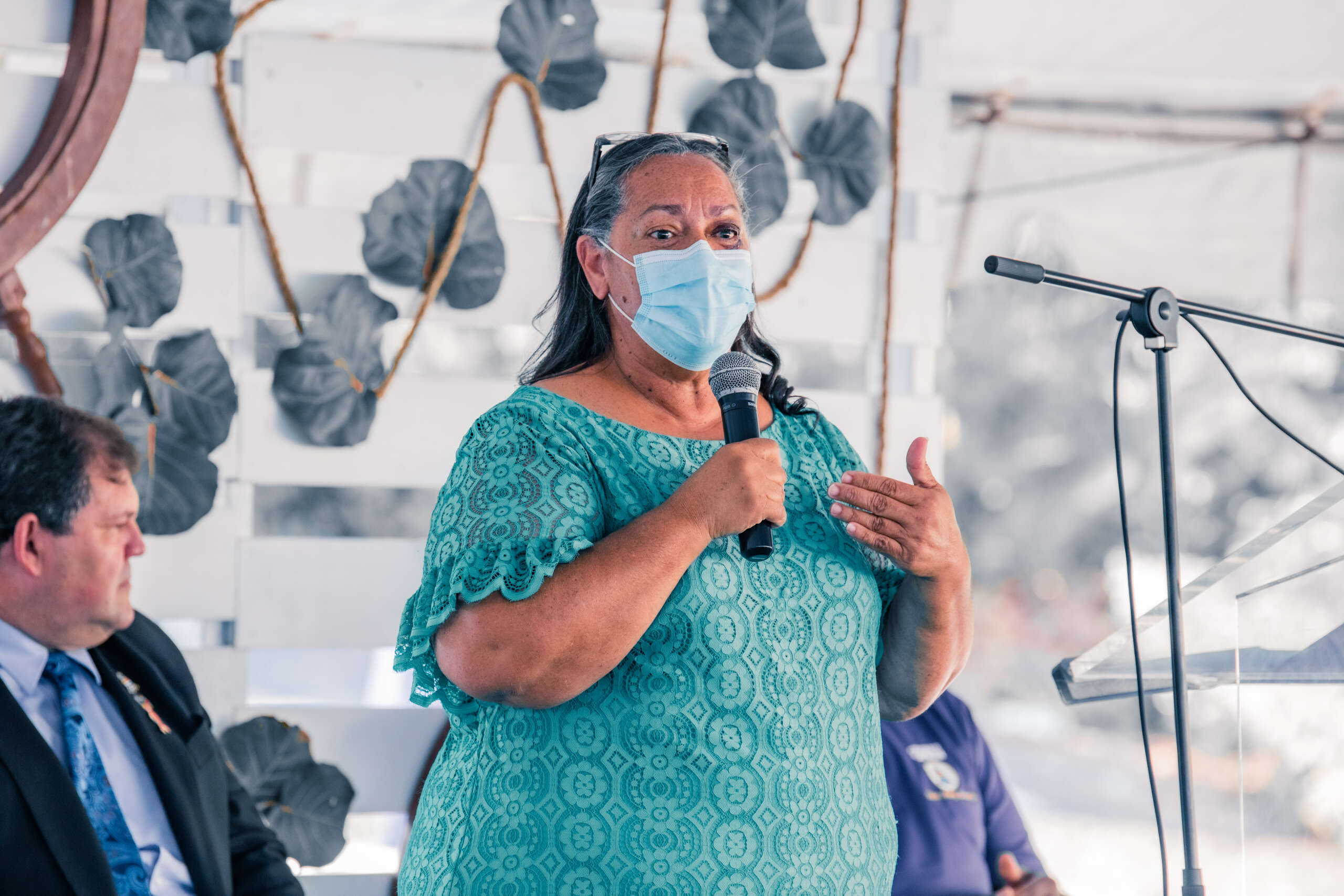
Deputy Premier Juliana O’Connor-Connolly, speaking at the Bodden Town event, told the attendees that strong women have always been a part of Caymanian history and culture.
“We don’t always get our way the first time,” she said, “but we keep trying and trying and trying until we realise that we can overcome, we can achieve, and it’s a level playing ground.”
She spoke of some of Cayman’s current women leaders and described her own battle to become the first female elected member for Cayman Brac and Little Cayman.
She also revealed that there are now more women registered voters than men.
The deputy premier said the women that now hold positions in parliament help to “add a good texture” and fulfil “social, economic and emotional needs”.
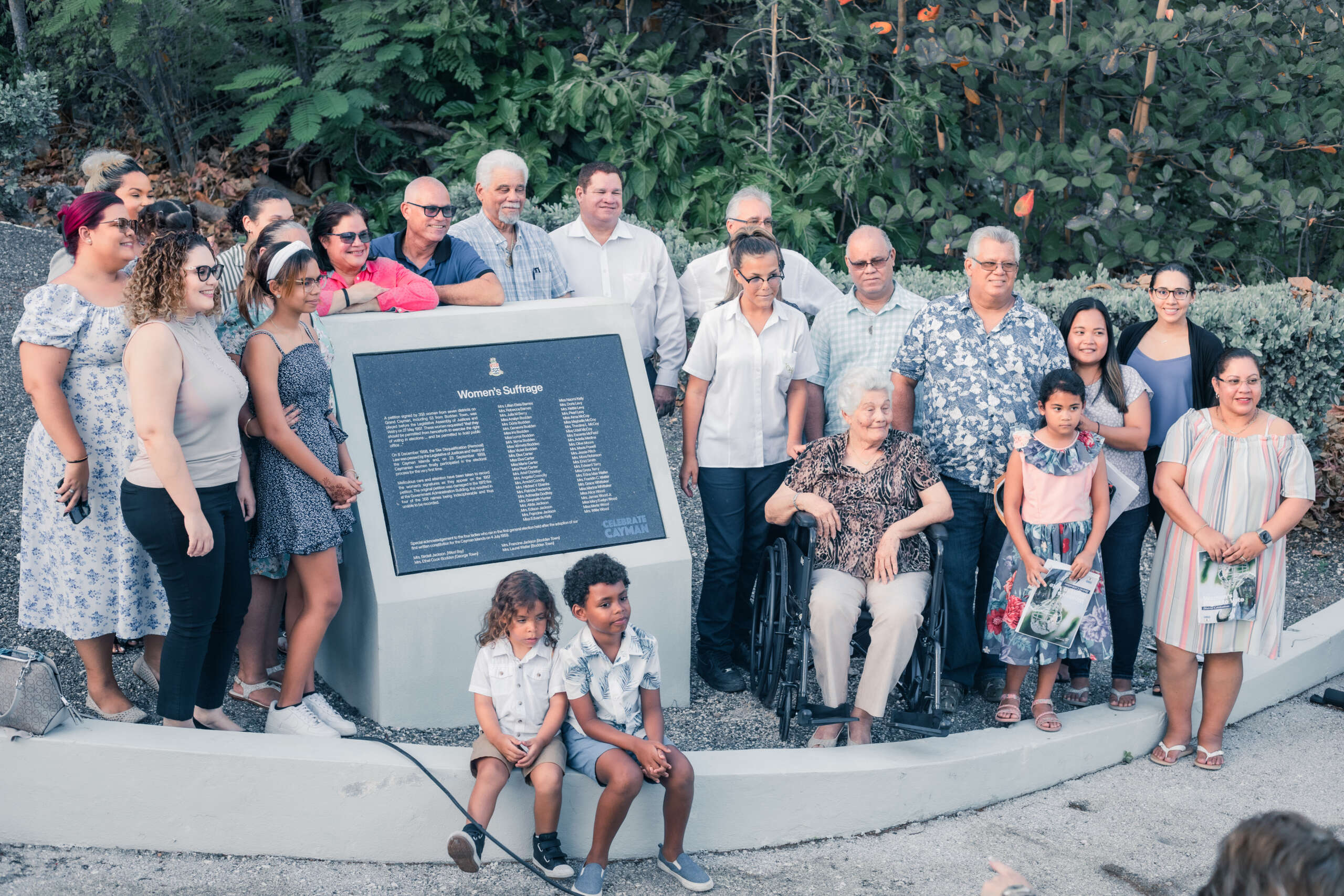
The events ended with the unveiling of the plaques and refreshments for guests.
The suffragettes’ signatures have been logged on the plaques as they were on the 1957 petition, which in some cases meant women used their husbands’ names.
The original petition was damaged in a fire at the Government Administration Building in 1972 meaning four of the names became undecipherable and unable to be recorded.
Related Videos