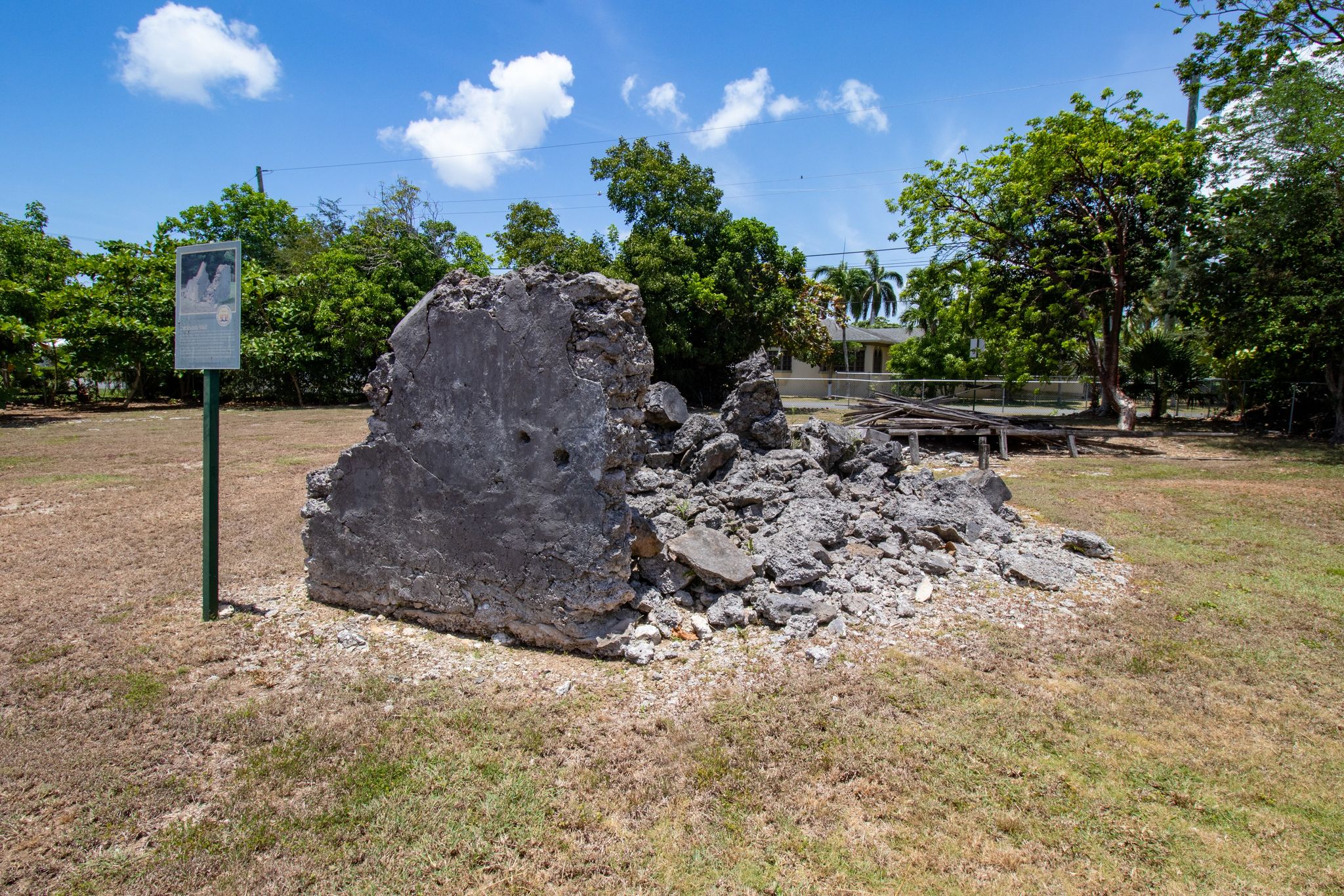
On a quiet field off Hirst Road in Newlands lies a wall of a ruined building and some stone steps that has lain undisturbed for years. Known as Jackson’s Wall or Manor, and believed to date back to the 1800s, the site is now coming under scrutiny in a bid to uncover clues to its past.
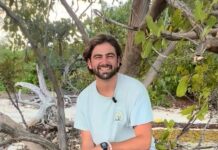
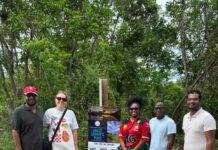
The National Trust for the Cayman Islands, working with archeologist Elysia Petras, a PhD student at Philadelphia’s Temple University, and a team of volunteers, began work last week to try to unearth the long-lost secrets of the site’s origins.
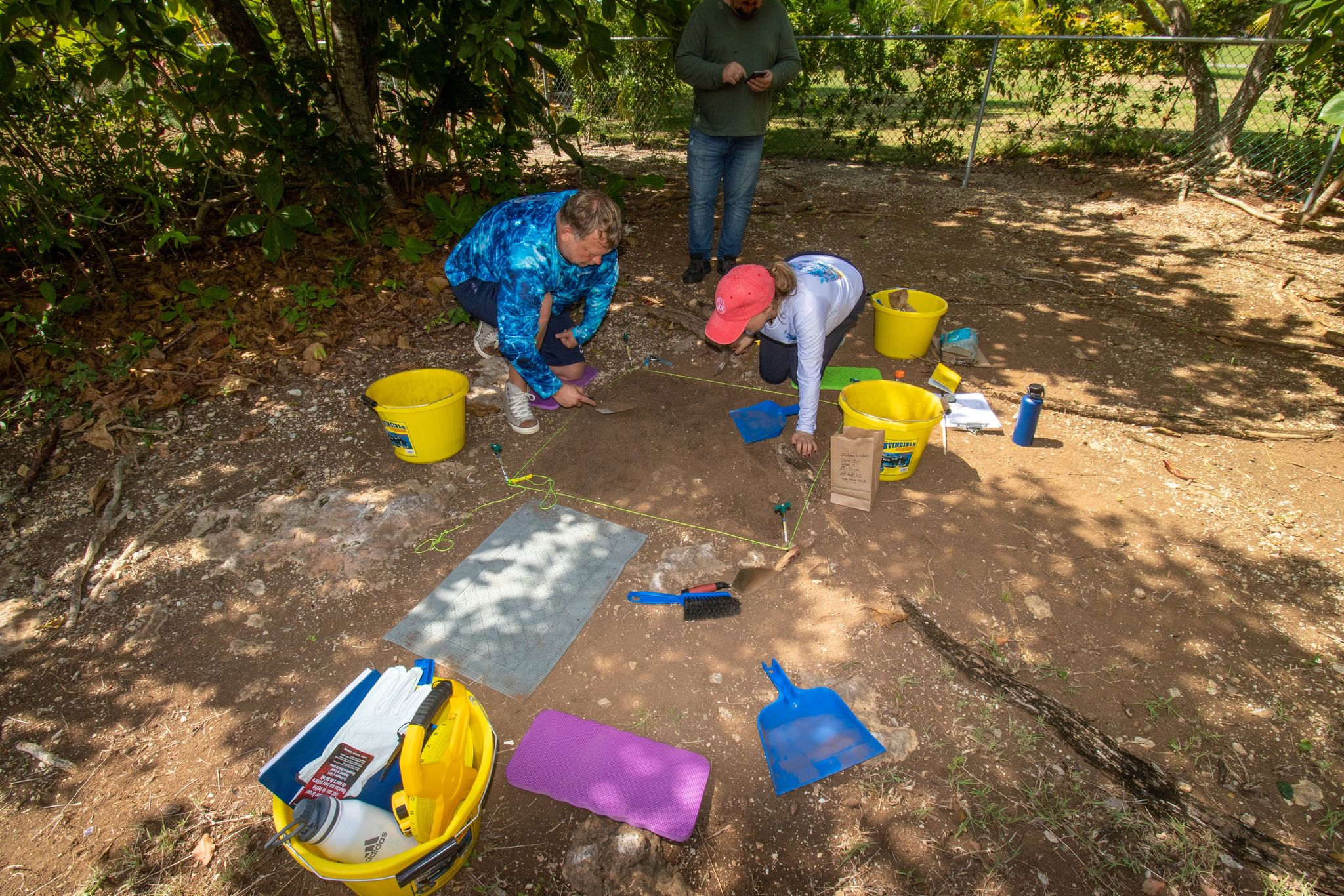
The National Trust, which manages 12 heritage sites, admits that “very little is known” about Jackson’s Wall, which it describes as one of its “more obscure sites”.
Most of the information that the Trust has about Jackson’s Wall comes from the records of George S.S. Hirst, who served as commissioner of the Cayman Islands from 1907-1912. Those records referring to Jackson’s Wall “are somewhat vague and not corroborated”, the Trust notes.
According to the National Trust, the structure is believed to have been built by John Shearer Jackson.
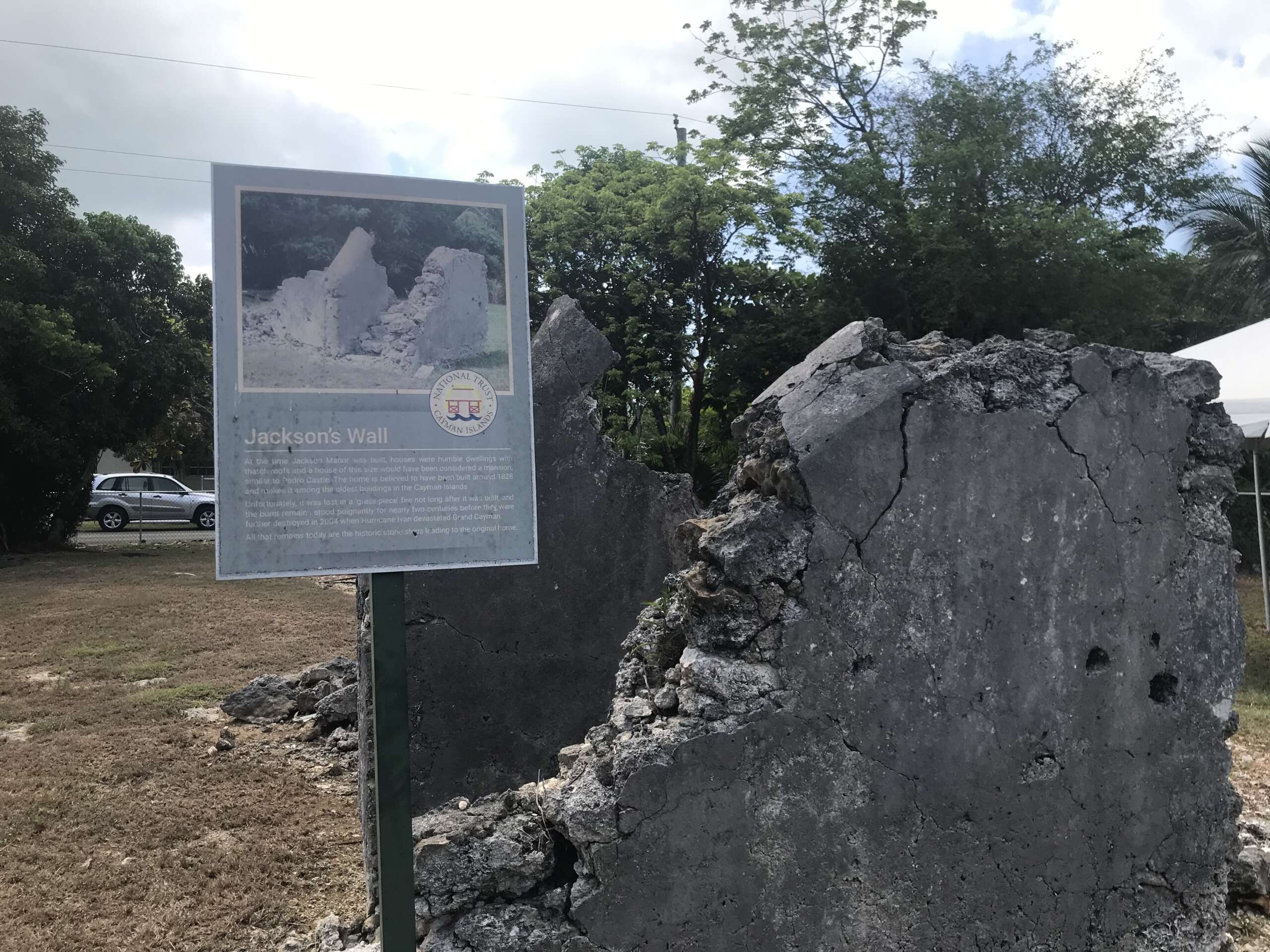
The National Trust’s website, which includes some information about Jackson and the site, states that he arrived in Cayman in 1770, and was among the first inhabitants of Batabano, in West Bay. It notes that he married Elizabeth Bodden, daughter of ‘Governor’ William Bodden. The name governor was a colloquial term at the time and did not relate to any official office.
In around 1828, the Trust website states, Jackson built a large, two-storey house in Savannah, which would later be known as the Jackson Manor, and now, as a ruin, Jackson’s Wall. It is believed the home burned down not long after it was built, and the remains stood for nearly two centuries before being damaged further in 2004 during Hurricane Ivan. Just some stones and the steps remain today.
Stuart Wilson, historical programmes manager at the National Trust, told the Compass that it is hoped the archeological exploration will be able to uncover the history of the site, which he believes may have been connected by trade to Pedro St. James.
“We’ve found everything from bones to bullets before we even started digging,” Wilson said. “All over the site, there are artefacts from the 1700s and 1800s. This is on the surface, let alone beneath the ground.”
He added, “It’s a really rich resource… It’s a postcard from the past.”
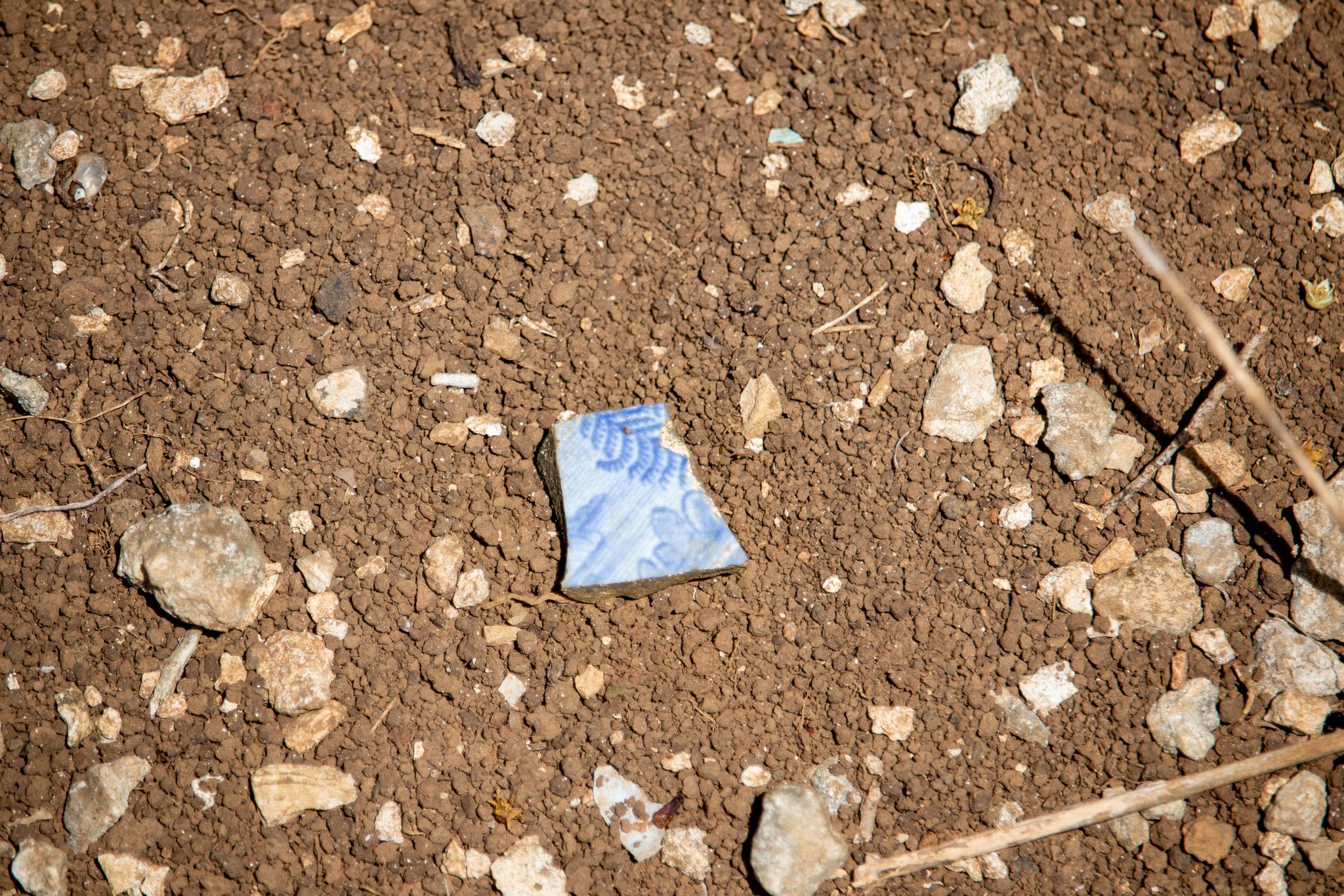
Even a quick glance at the fenced-off site immediately shows a tiny window into the past, in the form of little bits of coloured pottery, which archeologist Petras will be collecting and examining to determine where they were created and what it may show about trade with other islands.
Frank Roulstone, National Trust executive director, in a social media video posting by the Trust, said it was time to put the site to proper use as a public park.
“Prior to making it into a park that the public can enjoy, we wanted to ensure we knew everything about the site that we possibly could know,” he said.
“Unfortunately, there’s not a lot of written history that can tell us what we need to know, so we’ve brought down an archeologist from Temple University in the United States. She’s working with some volunteer archeologists who live on the island, and other volunteers, and we’re trying to make a determination of the history of the site through what is actually in the ground.”
The National Trust is also hoping that Caymanians themselves, with their knowledge of the area passed down through generations, will be able to help reveal more about Jackson’s Wall.
It is inviting residents of Newlands or anyone else who may have some information about the site to attend a meeting at McLaughlin Hall at the International College of the Cayman Islands at 6pm on Wednesday, 17 May.
Related Videos