The government’s senior animal welfare officer has urged the public to report any instances of animal cruelty or neglect to the Department of Agriculture.
“Protecting the welfare of all animals in the Cayman Islands is not only the right thing to do, but it is a legal requirement,” Erik Bodden said this week.
But animal-rescue charity One Dog at a Time thinks people may be deterred from reaching out to the department because they are not seeing the matters prosecuted.
Two serious cases of neglected and abused animals in Grand Cayman are among those that have been reported over the past few months.
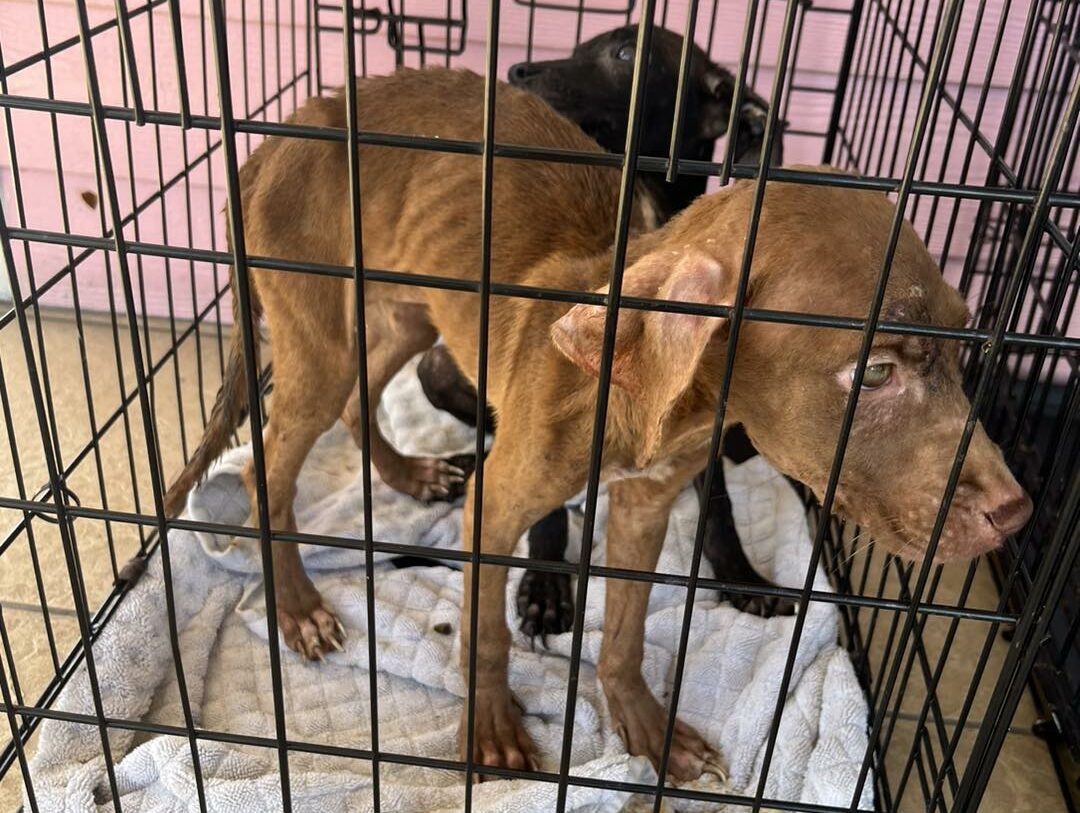
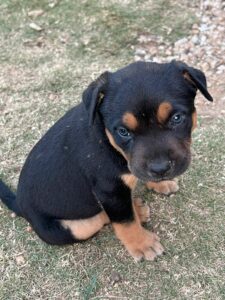
In March, an emaciated dog and her two puppies were rescued from a West Bay home, while in April a Savannah family found their four puppies dead after being poisoned.
The Department of Agriculture is continuing to investigate the first case, Bodden told the Compass on Tuesday, and police are investigating the death of the puppies in Savannah.
To date, no arrests have been made.
Two-fold problem
Paula Wythe of One Dog at a Time, which rescued the mother dog and her puppies, said she has had no update on the case since the animal charity gave its report to the department.
She told the Compass on Tuesday, 16 May, that when members of the public are not able to see any action on animal-cruelty cases, they become reluctant to report them.
Wythe suspects the lack of action may be due to the low number of officers in the Department of Agriculture, along with a slow public-prosecution process.
“There is a lot of animal cruelty happening in Cayman and DoA are getting reports but there is insufficient staffing to investigate swiftly so it continues longer than it should,” she said.
“They have half the staff they used to have and have been that way for at least six months, maybe longer.
“Once investigations are carried out, prosecutions appear to be slow but that is an Office of the Director of Public Prosecutions issue not down to Department of Agriculture.”
The Compass has reached out to the ODPP for comment and is awaiting a response.
‘Bring offenders to justice’
In a press release issued Tuesday, Bodden said he is aware the community wants to see animals better protected and appropriate consequences administered for cases of abuse.
“For that to be done we rely on the assistance of the community to make an official complaint for these matters to be addressed and investigated as needed,” he explained.
Animal welfare officers have a wide range of powers under the Animals Act (2015 Revision).
They can enforce animal welfare, and investigate and prosecute people for animal-cruelty offences, with the same rights and immunities as police constables.
“It’s important for the community to not be afraid of reporting any acts of animal cruelty or animal welfare concerns as our officers conduct their duties with the strictest level of professionalism and confidentiality for each complaint,” Bodden said.
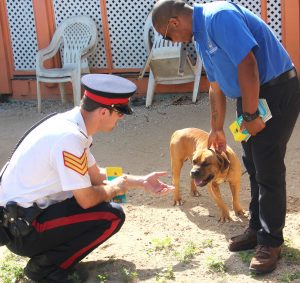
“Persons should be prepared to assist our animal welfare officers and RCIPS officers in any legal proceedings from a complaint to bring offenders to justice.”
All farmed or domesticated animals are entitled to a standard level of care for their welfare, health and safety under the Animals Act and in accordance with the ‘Five Freedoms’.
These are freedom from hunger, thirst and malnutrition; freedom from discomfort (physical and thermal); freedom from pain, injury and disease; freedom to express normal behavioural patterns; and freedom from fear and distress.
Animals must never be abandoned; should be kept confined to their property and not allowed to roam; and worked, ridden or used only in ways that are legally and humanely appropriate.
Investigations
Anyone who witnesses or suspects an animal is being abused or neglected can file a report or complaint noting the location of the animals.
An animal welfare officer will visit the location and assess the situation.
If required, the officer will discuss the situation with the owner and identify the necessary improvements through a verbal or written notice.
The owner may be given a fixed period of time to implement the changes.
In some instances, the animal may be housed at the department’s pound until the recommended improvements are made.
If the situation reaches the threshold of animal neglect or cruelty, officers can confiscate the animal based on safety grounds established by a licensed veterinarian.
In those cases, animal welfare officers will follow the same investigative procedure as any police constable, in gathering all necessary evidence and statements.
Once a case file is complete it will be submitted to the Office of the Director of Public Prosecutions which will decide if the matter reaches the standards required for prosecution.
An animal-welfare issue can be reported by calling 947-3090 or 916-3051, or via email at [email protected]
Reports can also be made anonymously through the DoA website.
In cases of dog attacks or dogs dangerously out of control, reports should be made to a local police station or by calling 911.
Related Videos