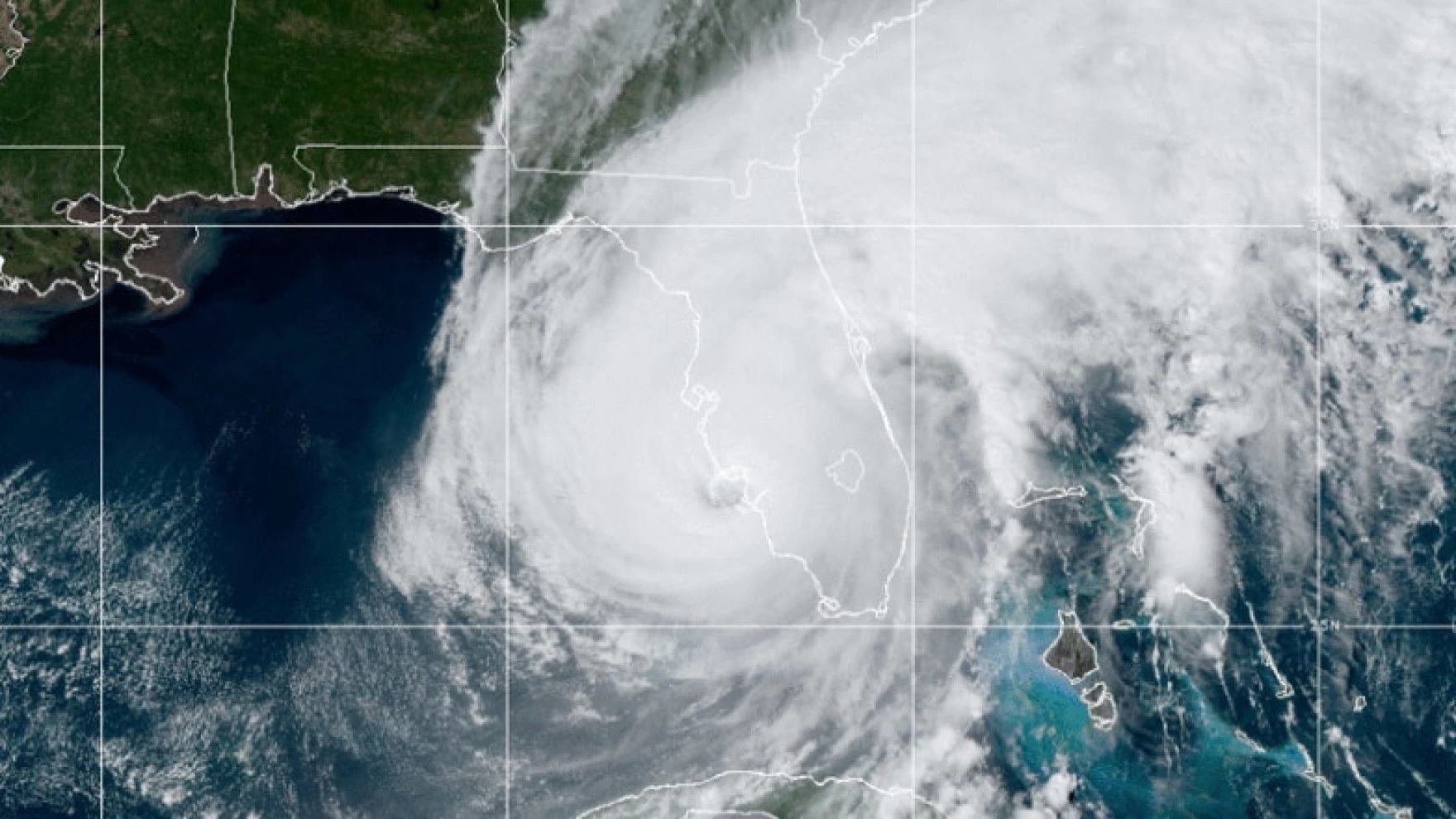
US weather forecasters have predicted near-normal hurricane activity in the Atlantic this year with up to nine hurricanes and four major hurricanes.
The National Oceanic and Atmospheric Administration on 25 May published its outlook for the 2023 Atlantic hurricane season which runs from 1 June to 30 Nov.
The administration forecast, with 70% confidence, between 12 and 17 named storms with winds of 39 miles per hour or higher.
Of those, five to nine could become hurricanes with winds of at least 74mph, and one to four of those may be Category 3 to 5 major hurricanes with winds of at least 111mph.
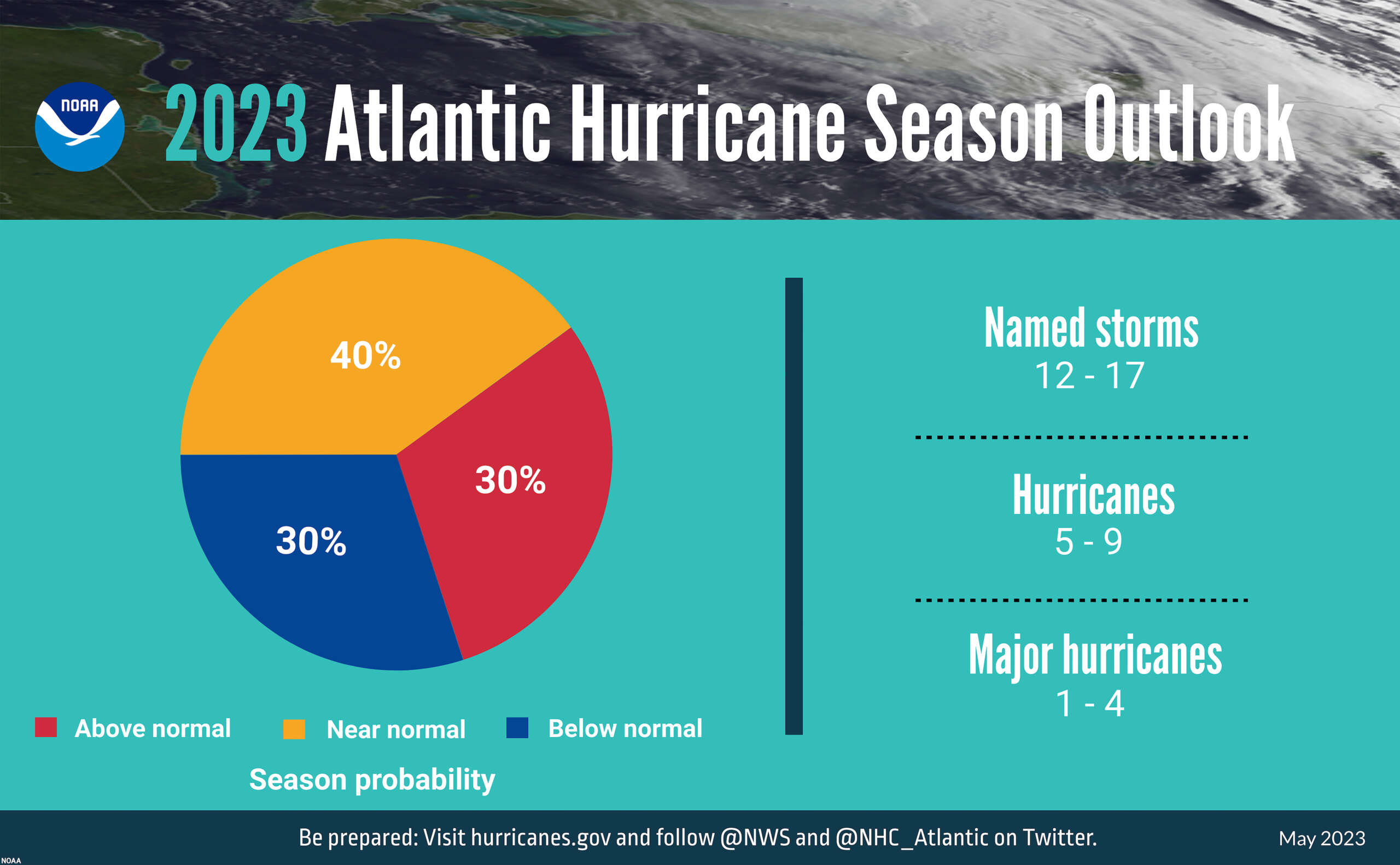
The ‘near normal’ prediction means the region will be less active than recent years.
After three hurricane seasons with the La Niña weather phenomenon present, scientists predict a high potential for El Niño, which can suppress Atlantic hurricane activity, to develop.
Better predictors
NOAA administrator Rick Spinrad said this year, forecasters are using a new hurricane forecast model.
They are also extending the tropical cyclone outlook graphic from five to seven days, “which will provide emergency managers and communities with more time to prepare for storms”, he said.
The administration plans to expand the capacity of its operational supercomputing system by 20% over the summer to enable it to improve and run more complex forecast models.
In late June, the Hurricane Analysis and Forecast System will become operational which will run in tandem with the currently operational forecast models.
Analysis of tropical storms and hurricanes from the 2020-2022 seasons show that this model has a 10-15% improvement in track forecasts over existing operational models.
The National Hurricane Center’s Tropical Weather Outlook graphic, which shows tropical cyclone formation potential, has also expanded the forecast range from five to seven days.
And to give communities more time to prepare, the Weather Prediction Center is extending the Excessive Rainfall Outlook an additional two days.
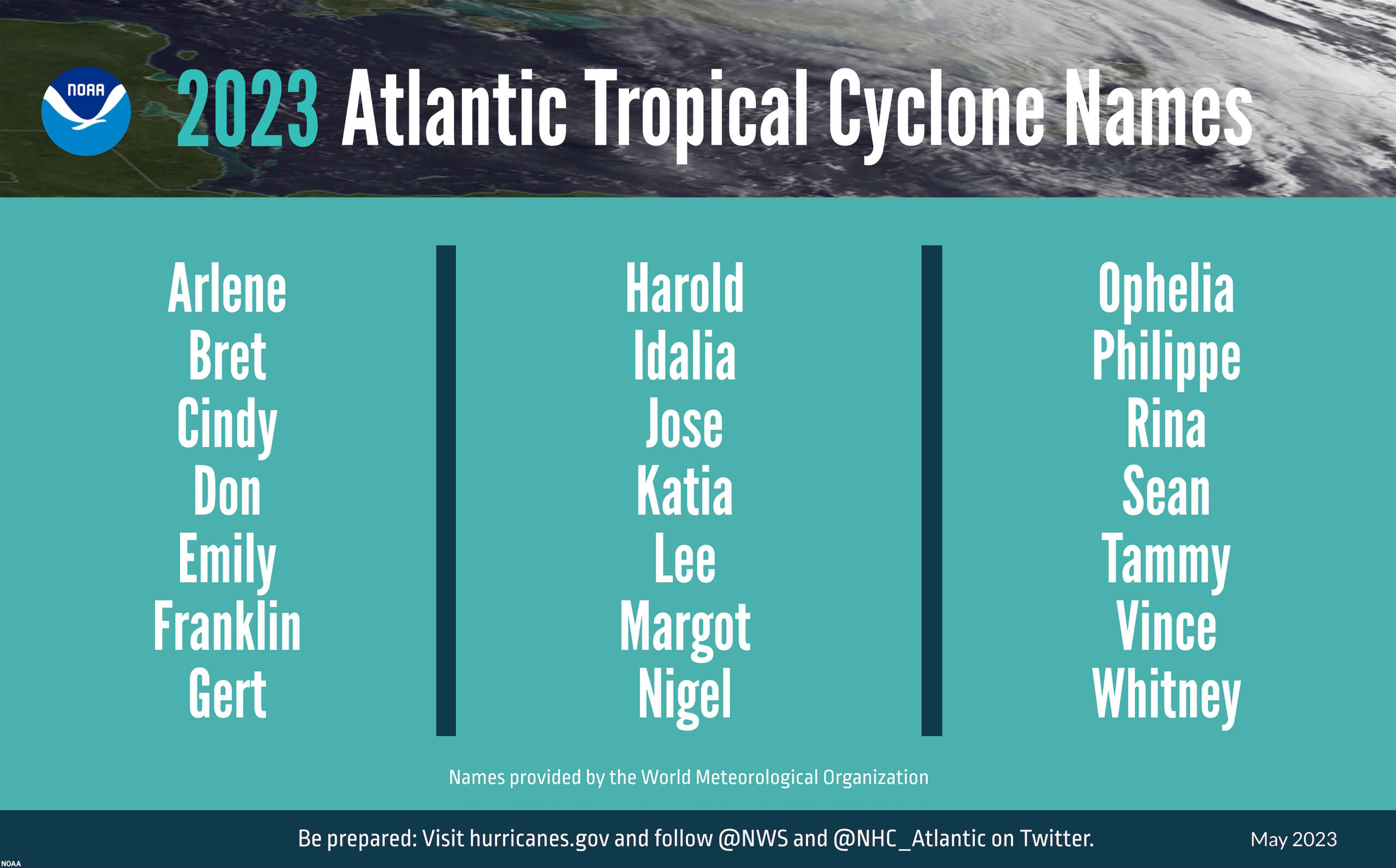
The NOAA will continue improving new and current observing systems critical in understanding and forecasting hurricanes, its latest press release said.
These include new small aircraft drone systems, the deployment of additional Saildrones and underwater gliders, and WindBorne global sounding balloons.
US Federal Emergency Management Agency administrator Deanne Criswell said: “It only takes one hurricane to cause widespread devastation and upend lives.
“So regardless of the number of storms predicted this season, it is critical that everyone understand their risk and heed the warnings of state and local officials.
“Whether you live on the coast or further inland, hurricanes can cause serious impacts to everybody in their path.”
Related Videos