Governor Jane Owen says cases which involve mental health issues are taken seriously by her office.
The governor’s involvement in such cases came to the fore as part of the Cayman Compass’ recent investigative series, examining the case of Travis Webb.
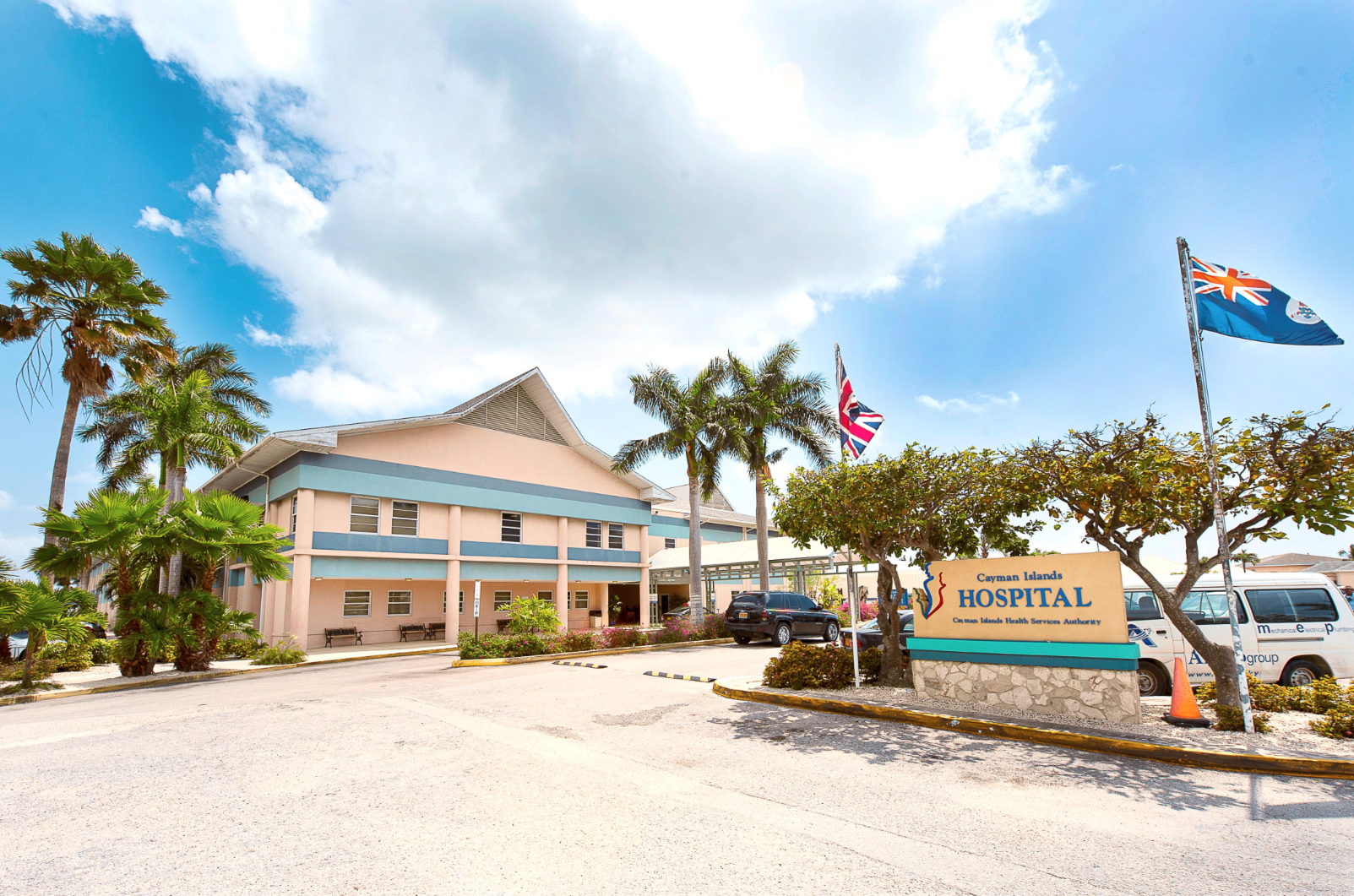
The former athlete is detained indefinitely at Cayman Islands Hospital, having been found ‘not guilty by reason of insanity’ in an attempted murder case. His case highlighted gaping holes in Cayman’s mental health care system.
Owen, as governor, has the final say on Webb’s future.
The governor, on the Cayman Compass talkshow ‘The Resh Hour’ on Wednesday, 7 June, declined to address his case specifically as she said it would not be “appropriate”.
Solution requires ‘substantial’ planning
However, in addressing such cases generally, Owen said she would make sure that she gets advice from all of the experts, including mental health practitioners.
Merely releasing individuals in these cases is not sufficient, she pointed out.
“Cases where someone is found to have serious mental health questions and problems I think it is right to look at how those people can live a life in the community,” she said, adding that those decisions “are very, very serious ones to be taken”.
She said these are not decisions that she would ever take on her own or just through the Governor’s Office.
“They’re decisions that would need to be taken with the advice, very importantly, of experienced medical practitioners in that area,” she said.
However, she said for those decisions to be taken, there must be a clear plan in place.
That plan, she said, would include “how the person can be supported in the community and how the community can also be protected and supported, and that requires a very substantial amount of of planning”.
“In every case, that is the approach we would take,” she said.
Psychiatrist Dr. Marc Lockhart has suggested that mental health crisis teams could be embedded with police services as a new way of tackling a growing challenge in the Cayman Islands.
Lockhart cautioned that Cayman’s prisons are filled with people with unmet mental health care needs.
Mental health facility can help
Owen said, with the long-term mental health facility moving ahead, it could be very helpful to people with mental health issues “to support them and to give them the therapeutic care they need”.
“That is another project which is under way and I think will be extremely important in this respect,” she added.
From a community perspective, Owen said, more instances of mental health challenges are being recognised by individuals and there is a better understanding of the related issues.
“I think if you asked anybody honestly… have you ever felt you’ve had an issue where your mental health has been challenged… I think all of us can kind of understand that in a certain way,” she said.
Owen pointed out that young people also require mental health support.
“We need to have different interventions depending on how long term or how serious it is but especially for our young people. I think they have a lot of stress that they have to cope with and we need to support them through that,” she added.
Related Videos