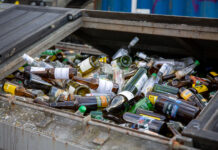
Researchers are embarking on a pilot project to see if crushed recycled glass can help to replenish and sustain Cayman’s natural coastal environment.
Environmental group Glassroots KY has been awarded a Darwin Initiative grant to carry out the six-month study, which kicked off on 1 Oct.
With the help of the Department of Environment, the volunteers will look at the effects of the sand-like product on depleted mangrove and seagrass habitats.
They will also see if the glass can be used to create more fertile soil mix to grow crops in Cayman’s farms.
‘A wonderful product’
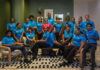
Project lead Lodovica Speri told the Compass that Glassroots KY was formed when five friends came together to discuss what can be done with used glass.
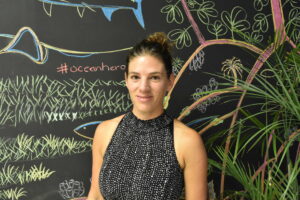
“It’s such a wonderful product,” she said, adding that it was the group’s hope that it could be used for coastal restoration and to allow Cayman to become more sustainable.
“So it all started with a conversation around why we weren’t recycling and what can we do about it.
“And then a lot of research later and conversations, we decided to look into whether we could use it on island for all the different types of reasons.”
Speri said glass is often used in construction, but the group discovered it is also used in the US for restoring wetlands in Louisiana.
“The idea just looked great. It was very simple,” she said.
“They were recycling it, crushing it into a fine sand, and then bagging it and planting it along the coastlines to allow native grasses to regrow and repopulate areas that had been flooded.
“We thought maybe we could do the same thing here.”
Currently, there are no glass recycling options available in Cayman. For a decade, Dart was recycling glass in its crusher, but when that machine came to the end of its life in November last year, there were no other glass crushing or recycling options on island.
A win-win situation
Timothy Austin, director of research and assessment at the Department of Environment, said the department is “very excited” to be part of the Glassroots KY project.
“I’m very interested and the department is very interested in coastal restoration approaches,” he told the Compass.
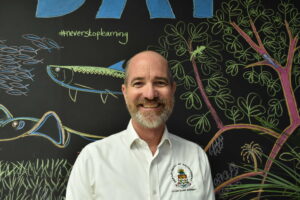
Austin explained that the issue with coastal restoration is that it often requires material such as sand or aggregate, which has to be dug up from other areas.
So a lot of restoration projects do not have the resources to get the fill that is needed to start them. However, glass represents a really good alternative, he said.
“People are experimenting with this in other jurisdictions and it makes it an ideal trial that we should also do in Cayman.
“We want glass to be recycled, it’s all part of the sustainability initiative, and we need outputs for that glass once it’s recycled.
“Coastal restoration would be a win-win situation for everybody.”
Mangroves, seagrass and farming
There are three areas of focus for the project – mangroves, seagrass and farming.
Trial sites for mangrove restoration have been identified at the Barcadere Marina on North Sound.
Austin said development in Cayman has led to a lot of mangroves being cleared, and sea level rise caused by climate change has also led to the habitat retreating.
The protected species provide a nursery for many marine species, sequester carbon, filter pollutants in the water, and protect the coastlines from erosion.
The study will see burlap bags of crushed glass and sand placed in the water and mangrove saplings planted in them.

The department director explained that it will be the first time anyone in the world has tested crushed grass on replenishing mangrove habitats.
“It’s completely new, so we’re going to be really pushing the boundaries of science. If it works, it’ll be great.”
A third site in North Sound has been identified for seagrass restoration.
Austin said depressions or ‘blow outs’ often form in seabeds and seagrass cannot grow into those depressions.
“You get these very sheer edges, and wave action and other bio-erosion techniques mean that those holes getting bigger and bigger over the years,” he explained.
The project team will use the crushed glass to restore the holes on the seafloor to see if seagrass will grow over it.
The last site is Beacon Farms, where research will determine if the glass can be used to create a more fertile soil mix to grow crops.
The farm will share findings on plant growth, end-product quality, reductions in water and sand usage, and estimated carbon footprint save.
A shipment of 10 tonnes of crushed glass, which has been donated by a US company, will arrive on island soon, at which point the trials can begin.
Glass recycling
Cayman imports about 10,000 tonnes of glass a year, and there are no options for recycling it, so most of it ends up in the George Town Landfill.
Doug Brown of Junk Recycling told the Compass that his company collects about 500-600 tonnes of glass a year, which it sends to the Department of Environmental Health.
The department crushes it with rollers to reduce it to 20% of its original size, and then it goes into the landfill.
“It is such a resource that it should be used elsewhere, and, I believe, 100% into sustainability projects, especially like coastal restoration,” he said.
Brown is very supportive of the Glassroots KY project and hopes it will result in the government buying an industrial glass crusher.
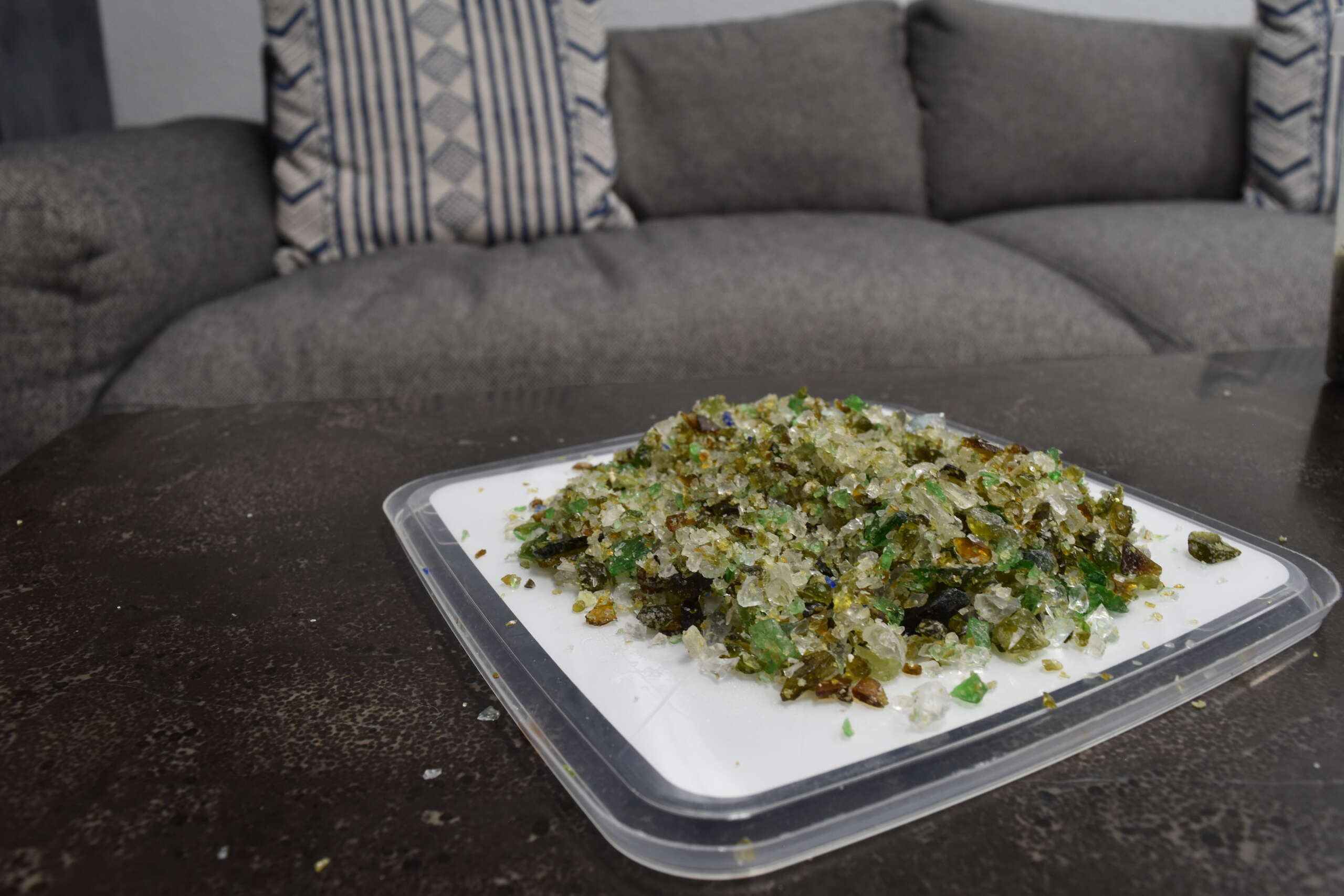
Speri said, “If we can show that this works, then it really, I think, warrants putting glass recycling back on the scene.”
People across the Cayman Islands are unhappy at the lack of recycling facilities, she said, adding, “so I think there’s loads of support for it”.
Austin added that while the government is planning ReGen, a large-scale recycling project that includes glass recycling, there needs to be an output for that product.
“The beauty of this project is if this proof of concept works, it’s imminently scalable,” he said.
“If we can prove that it works for coastal restoration, or any other kind of of habitat restoration, then we’ve got a really good kind of a destination for that glass.
“It doesn’t have to go towards construction and concrete; it can go towards repairing the environment as well.”
Interviews by Reshma Ragoonath and copy by Rebecca Bird
Related Videos