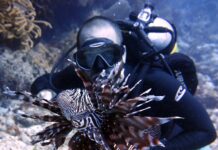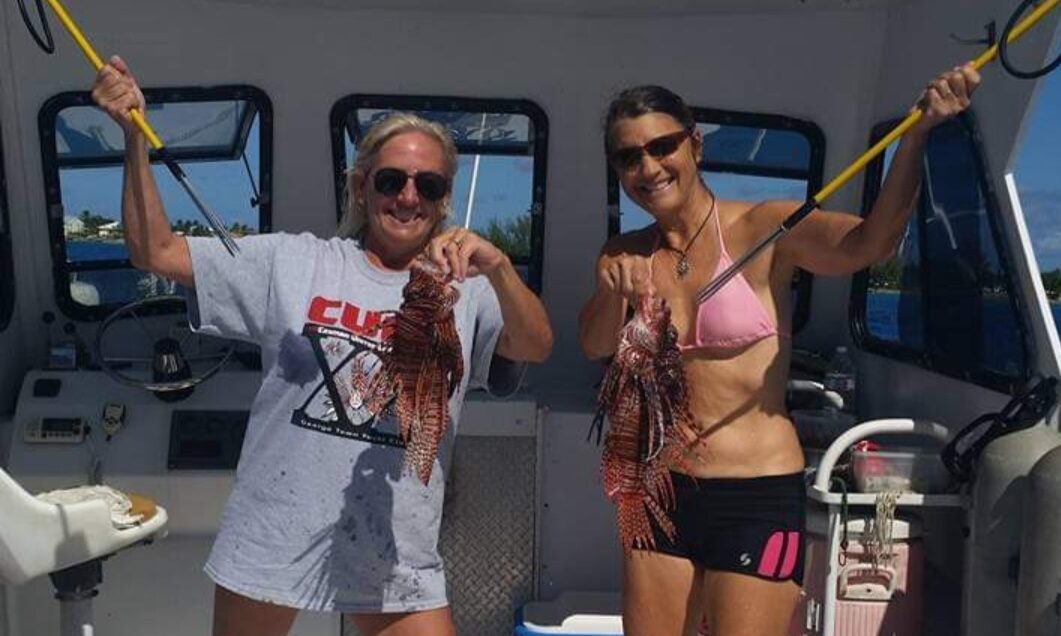
After a lionfish stung Casey Keller earlier this month, leaving her in intense pain and with a badly swollen hand, she got the ultimate revenge when her spiny venomous attacker was turned into jewellery, which she now wears around her neck.
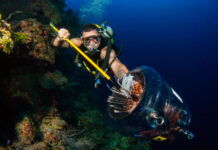
Keller has been hunting lionfish for years, spearing thousands of the invasive species, which were first spotted on local reefs back in 2008.
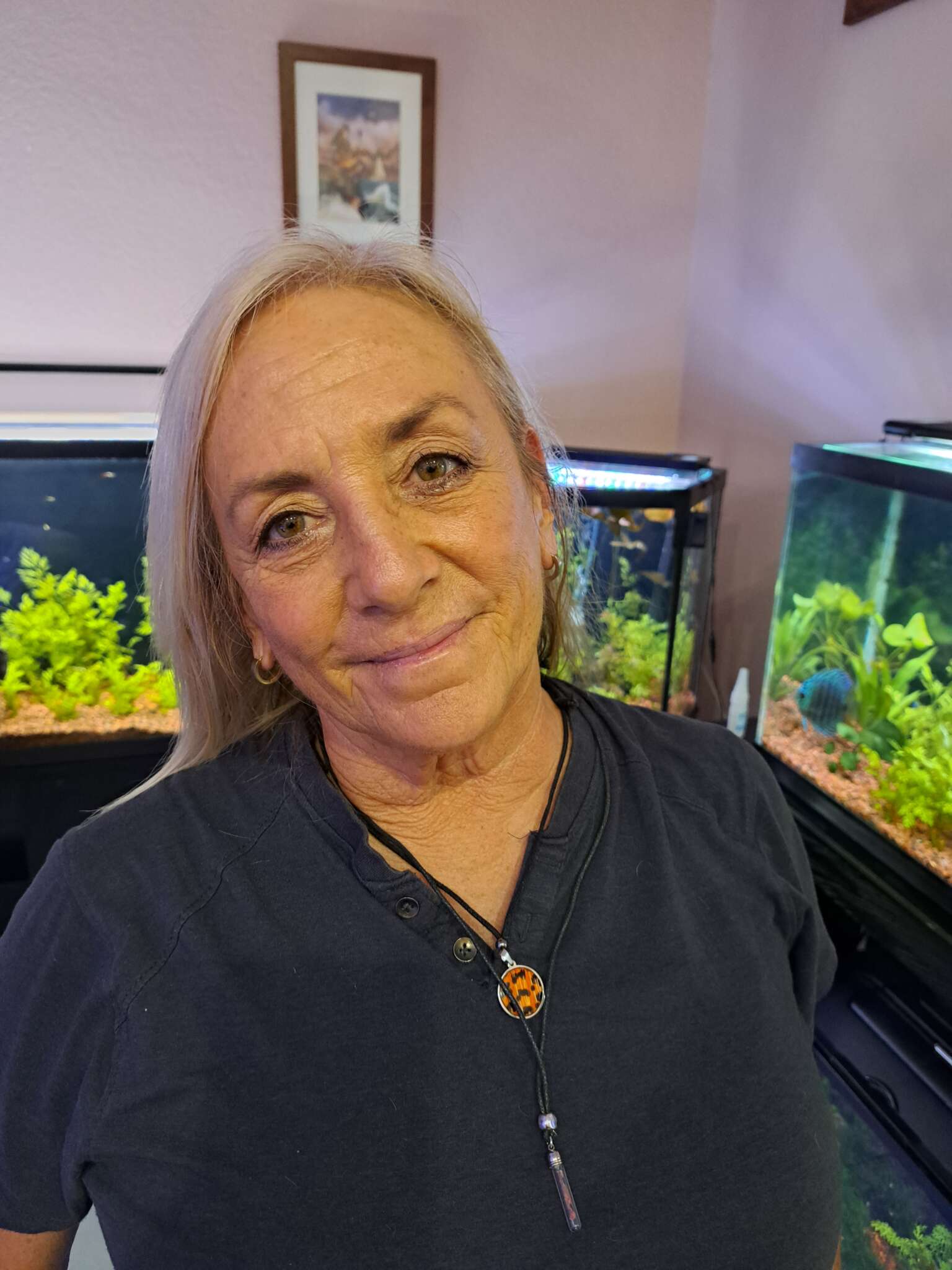
She has been stung by lionfish in the past, but suffered only mild reactions. This time, it was very different, and the pain, from a jab of one of the lionfish’s spines below her fingernail, was excruciating.
“I have never felt anything like that in my life. It was crazy,” she told the Compass on Monday, exactly two weeks after she was stung. Her hand remains swollen and she’s still in pain, she says.
She admits she’s always been somewhat “nonchalant” about the dangers involved in lionfish hunting, because “I’ve been poked a few times and it always got better”.
On this dive, she and two dive buddies were hunting lionfish at a favourite site off the waterfront in George Town. After Keller had caught several lionfish in her bucket, she was trying to get a particularly large one into the container.
“My hand slipped, and the biggest spine on the biggest fish stabbed me on my ring finger, just under the nail,” she said.
Based on her previous experiences of being jabbed by lionfish, she figured the pain would subside, but it got worse. Ten minutes later, she and her dive buddies went back up to the boat.
Hot water treatment
Kelly Reineking, her regular lionfish-hunting buddy, always ensures she has hot water on the boat while they’re on a hunt, as it helps to break down the venom in a lionfish sting.
“I always bring hot water with me, just in case, but I’d never had to use it before,” Reineking said. “I think Casey would think I was being silly, but, boy, she liked it that day.”
With her hand immersed in the hot water, they headed back to West Bay Dock, where Keller had left her truck. Her hand was swelling up, especially her ring finger, on which her wedding ring was now squeezing tightly. On the journey back to the dock, they tried to cut off her ring, but couldn’t get it off.
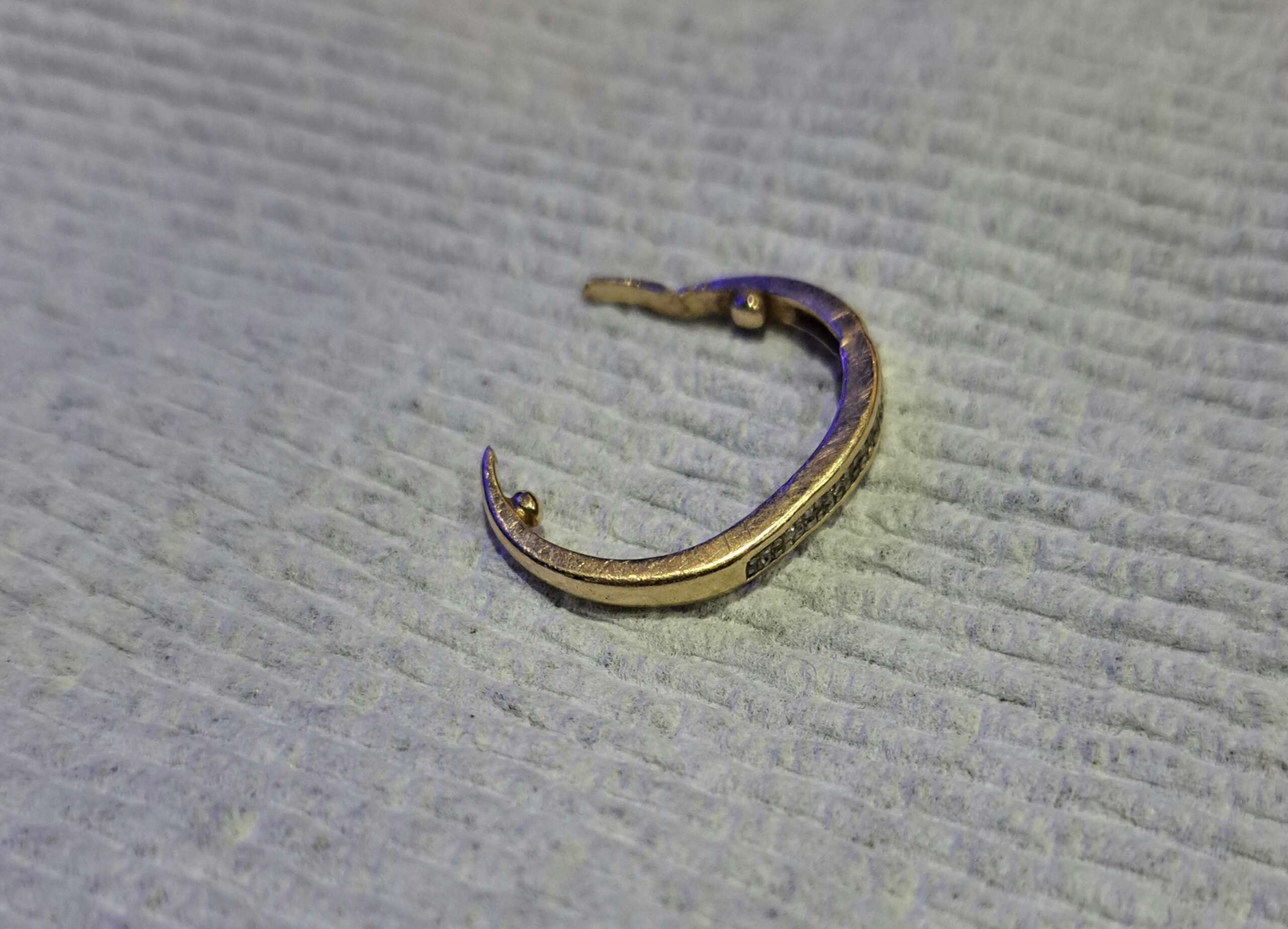
Once back at the dock, Keller says, she insisted on driving herself to the hospital, as she didn’t want the others to miss out on their second dive. Now in ever-growing pain, she called her husband Keith, who stayed on the phone with her till she got to the hospital.
As soon as she got there, she begged the staff to cut the ring off. At this point, she said, the pain was so bad she could barely catch her breath as she was crying so much.
The hospital staff put her on intravenous painkillers to combat the agony she was in.
“The neurotoxins must have gone into the nerve endings,” she said, “because it didn’t really hurt where I got poked, it was so painful on the back on the hand and all the way to the wrist.”
Revenge jewellery
After getting back to land, her buddy Reineking took Keller’s lionfish bucket off the boat and brought it home, picking out the biggest fish, knowing this was the culprit.
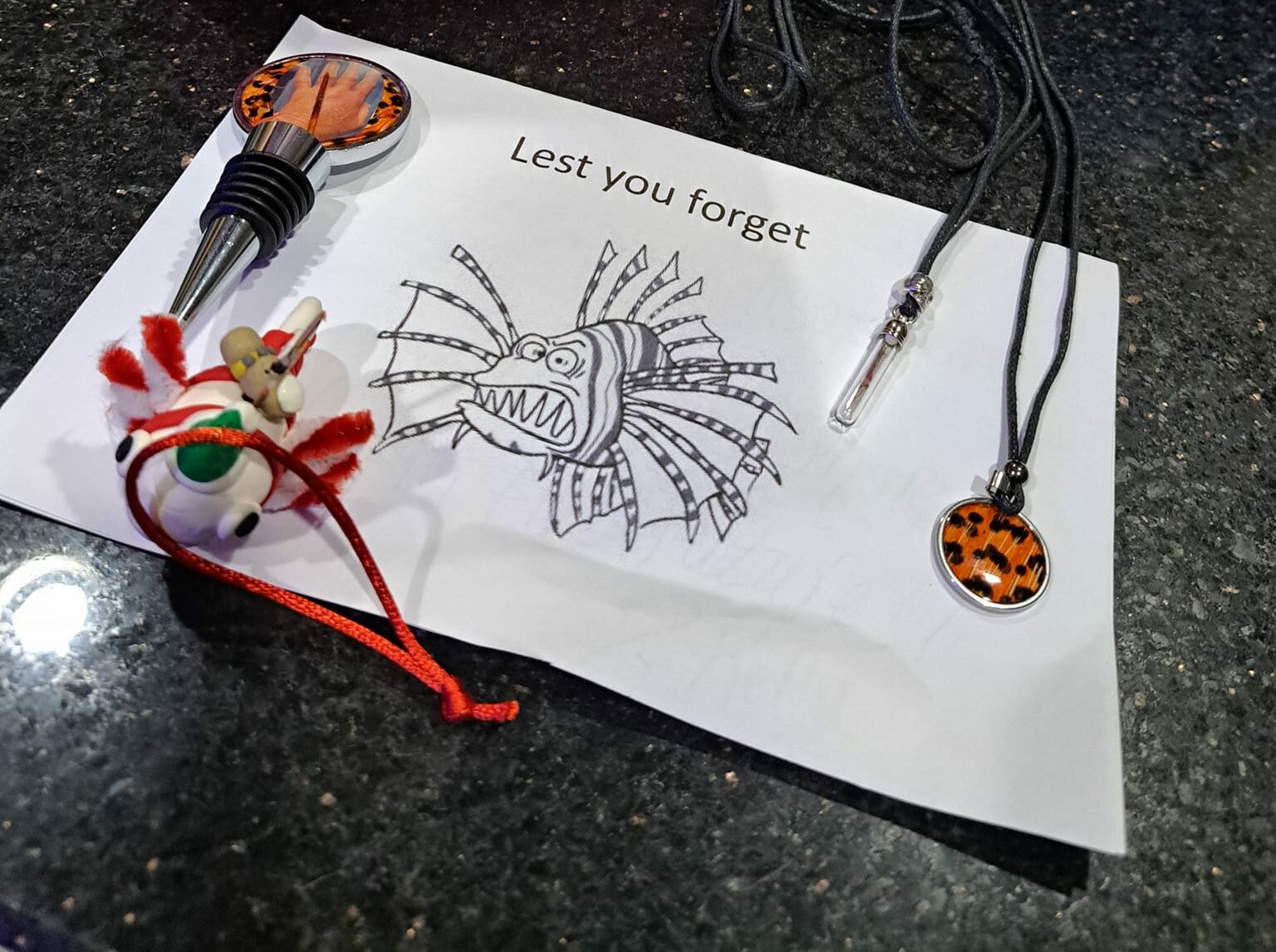
Reineking makes gift items, such as jewellery and wine bottle stoppers, from the skin, spines and fins of culled lionfish, so she decided to immortalise Keller’s lionfish nemesis in silver and give it to her a gift.
In fact, she made several gifts – a pendant, a Christmas decoration and a bottle stopper, accompanied by a card saying ‘Lest you forget’.
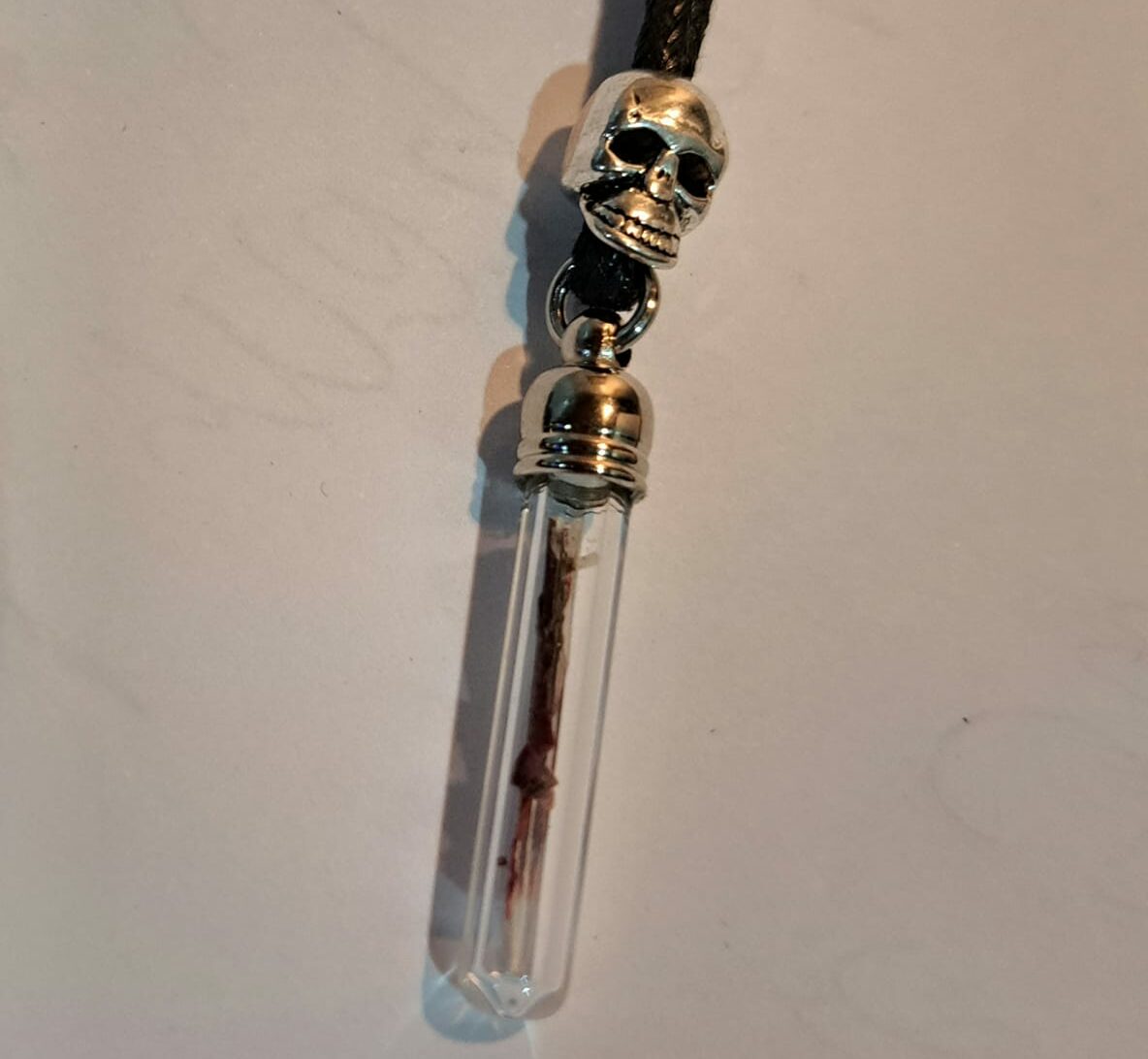
She also placed the biggest spine on the fish into a glass vial, and added a silver skull bead and hung it on a leather strap, which Keller has been wearing around her neck.
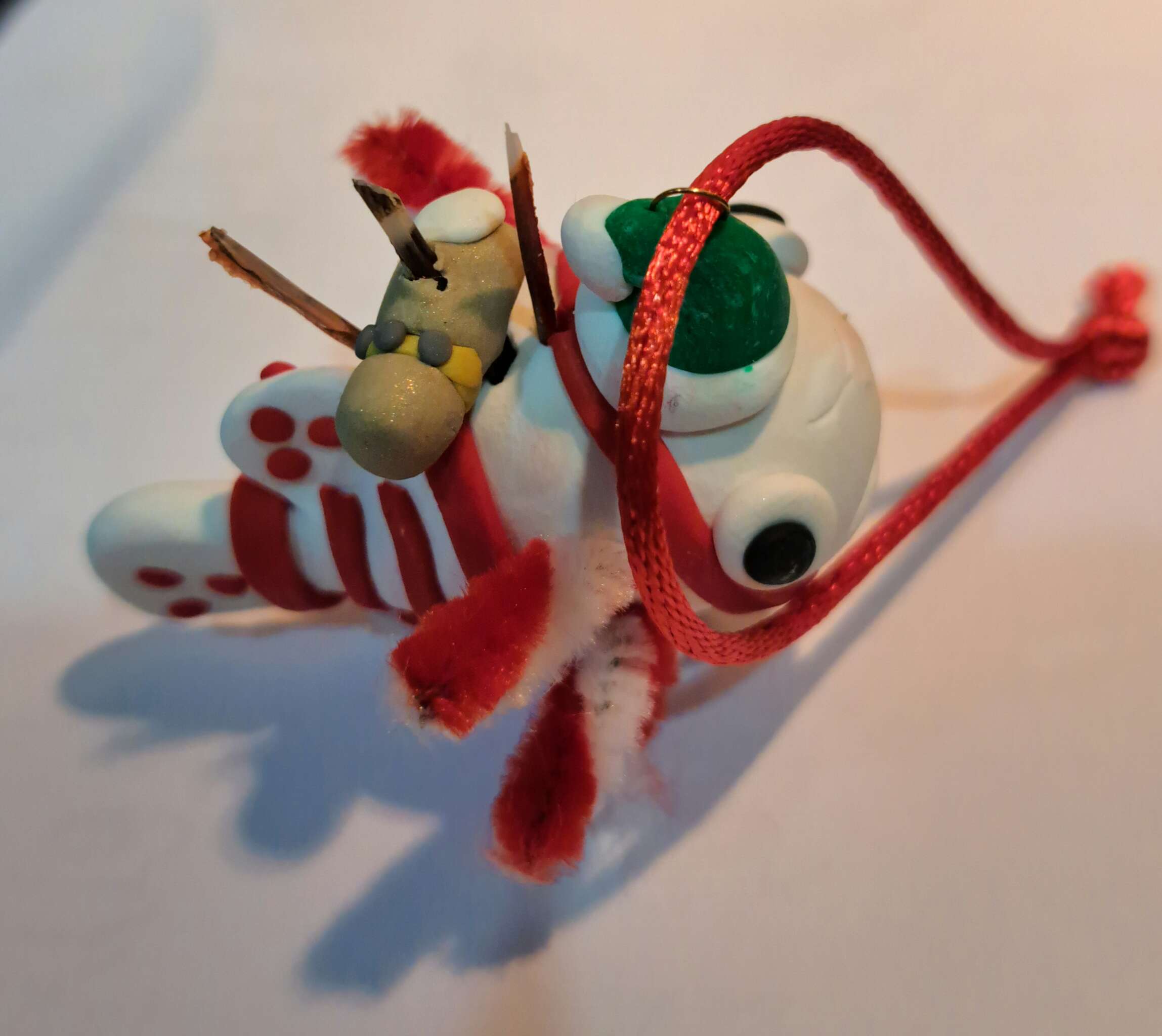
The Christmas ornament will also act as a reminder of Keller’s encounter with the fish. It features a lionfish, and a ring finger with a barb sticking through it.
The experience hasn’t put Keller off lionfish hunting, though.
“I’m ready to go now,” she said, adding, “It was my left hand, my right hand is still good.”
Explaining why she feels it’s so important to remove lionfish from the reefs, Keller says, “They are an invasive species that eat all our local fish and critters. They will eat anything. They have no predators here except for us right now.
“If we don’t keep their numbers down, then our local fish population could be decimated. That’s why we regularly hunt them. Plus, they are good to eat.”
Related Videos