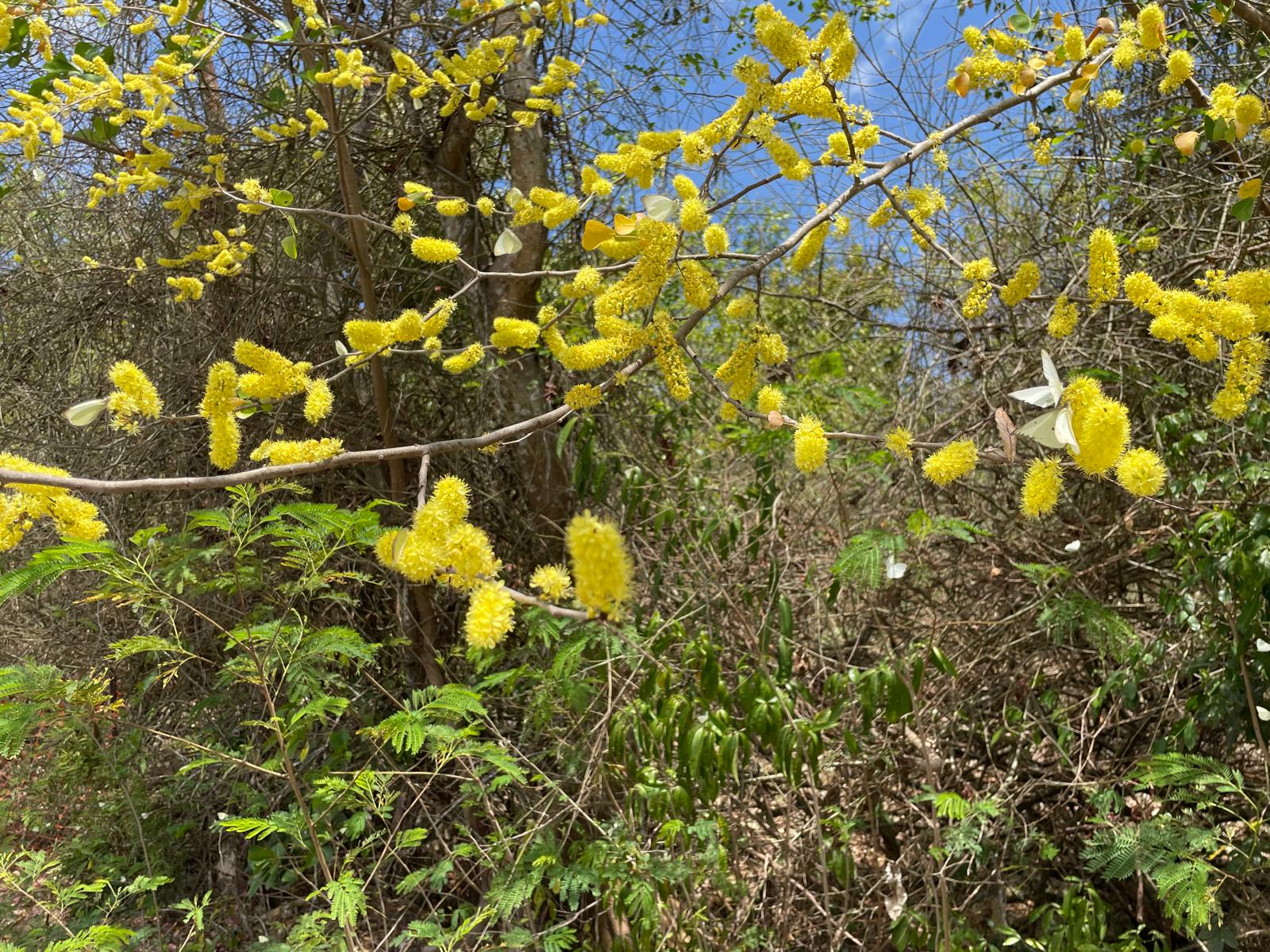
Thousands of Great Southern White butterflies have emerged en masse in Cayman, creating a snowy effect as they flutter around the community in their annual mating dance.
The annual explosion of the beautiful butterflies has garnered the attention of many with the National Trust encouraging the community to enjoy the sight of the white-winged insects.
Residents in Spotts, Bodden Town and in parts of George Town, have been enjoying the majority of thousands of fluttering insects.
Catherine Childs, National Trust environmental programmes manager, welcomed the annual display.
“Seeing these flurries of white butterflies like a tropical snowstorm makes us appreciate the paradise we call home. Usually we drive along oblivious to the beauty around us and this event helps bring us back into our surroundings, making us aware of the animals and plants that coexist with us,” she said.
Childs encouraged everyone to use native plants when landscaping.
“[Also] leave as many trees on a parcel as possible when developing. These butterflies are part of a larger ecosystem that we can help to support so that future generations can enjoy a “Cayman snowstorm” too,” she added.
Thousands dance in the sky
The butterflies, also know as Ascia monuste, and can be seen flying along roadsides, gardens, parks, and even on beaches, the Trust said.
Capturing images of the butterflies can prove quite challenging as they dart away quickly when disturbed.
“Even though this is a migratory species found throughout the tropical Americas, the individuals that are part of these population explosions are probably resident, Caymanian butterflies. So when you’re outside today, enjoy this stunning display of nature and appreciate the amazing natural heritage of our islands,” the Trust said in a Facebook post Tuesday.
The butterflies only have a life cycle of 14 days, with the males being the whitest. Females are slightly off-white and lay their eggs in clusters.
The tips of the antennae are baby blue and the butterflies usually have a marking on the tips of their wings.
The Trust said some years the species can be found in very large numbers, flying across the roadways in clouds, “almost like a snowstorm in the sunshine”.
When they finish the mating dance, the females lay eggs on a native vine, Capparis flexuosa, which is known locally as ‘Raw Bones’ because its ivory white seeds emerge from pods with bright red pulp, the Trust said.
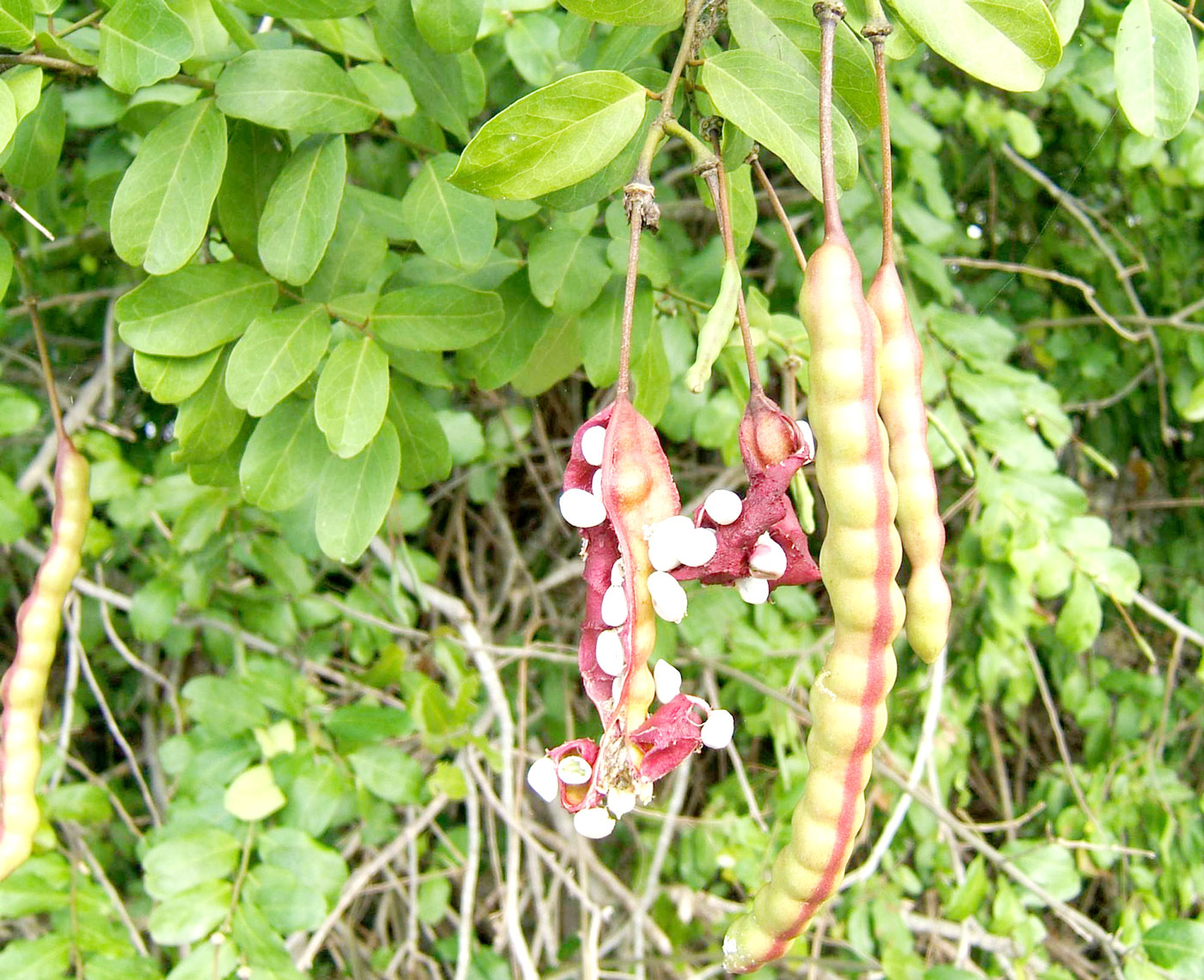
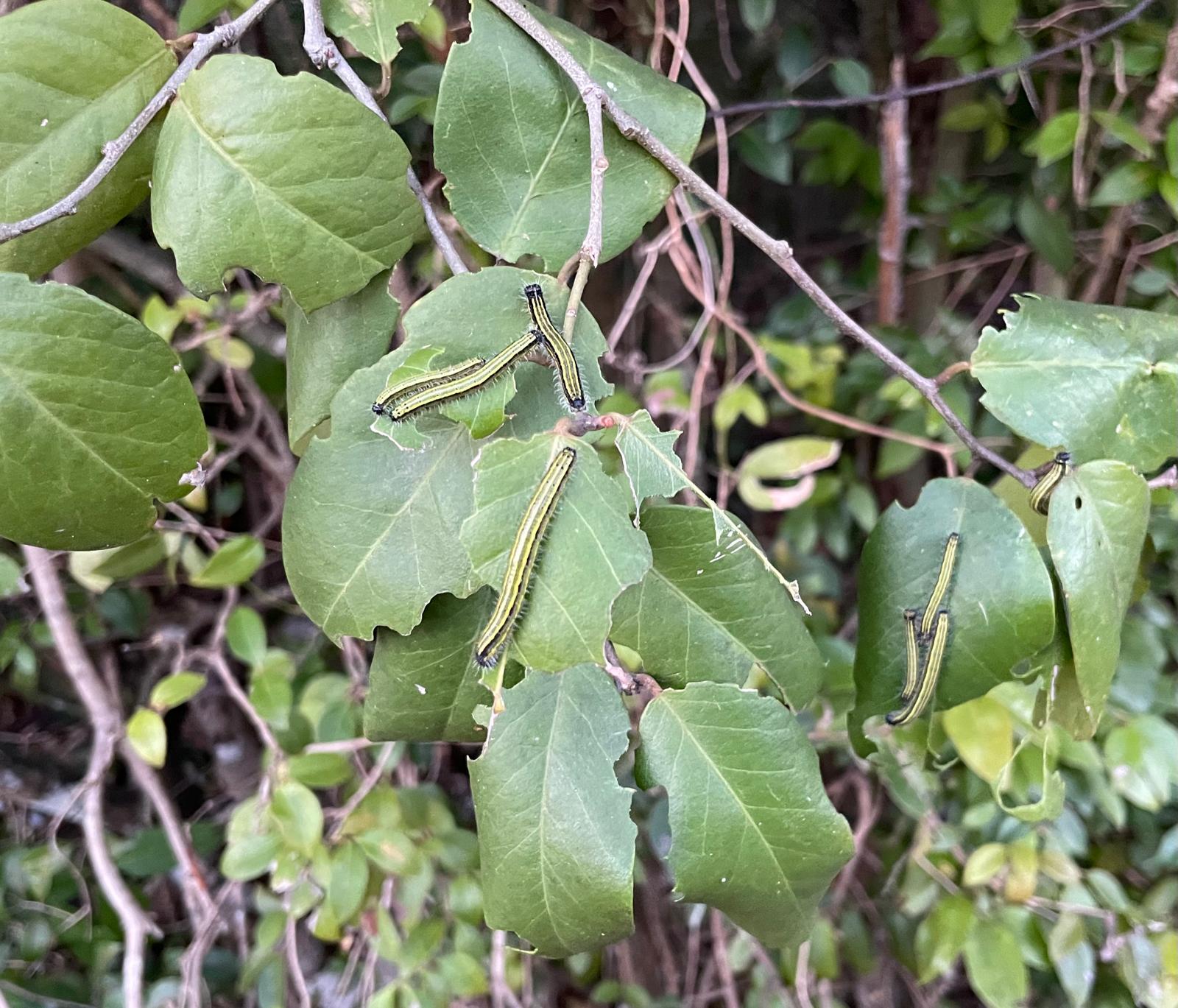
“The caterpillars feed on the Raw-bones leaves and other plants in the mustard family while the butterflies feed on the nectar from many species of flowers including saltwort, lantana, and verbena,” the Trust explained.
The Great Southern White butterflies hail primarily from Florida, the southeast coast of the US and the Gulf of Mexico.
Native plant and butterfly expert Ann Stafford, told the Compass that on Tuesday, 9 April large numbers of Great Southern White butterflies were spotted “nectaring on delightfully” scented Logwood flowers at Liguinea Circle in George Town.
“It was magical! It was windy so difficult to take still photos. I knew there would be hundreds of Ascia butterflies because the caterpillars had stripped the leaves of their plentiful main larval food plant Bloody Head-Raw Bones,” she added.
Related Videos