Six Caymanians will have the opportunity to participate in free vocational training as mediator and dispute resolution experts, which is being offered by Caymanian philanthropist Martyn Bould.
Applications are now open for the week-long training, which will be held from 18 to 22 Nov. at the North Church Street offices of the Cayman Islands Mediation and Arbitration Centre.
The free training opportunity is being offered through the Bould Foundation, which said it wanted to make the opportunity available to those who would not otherwise be able to afford or access the training.
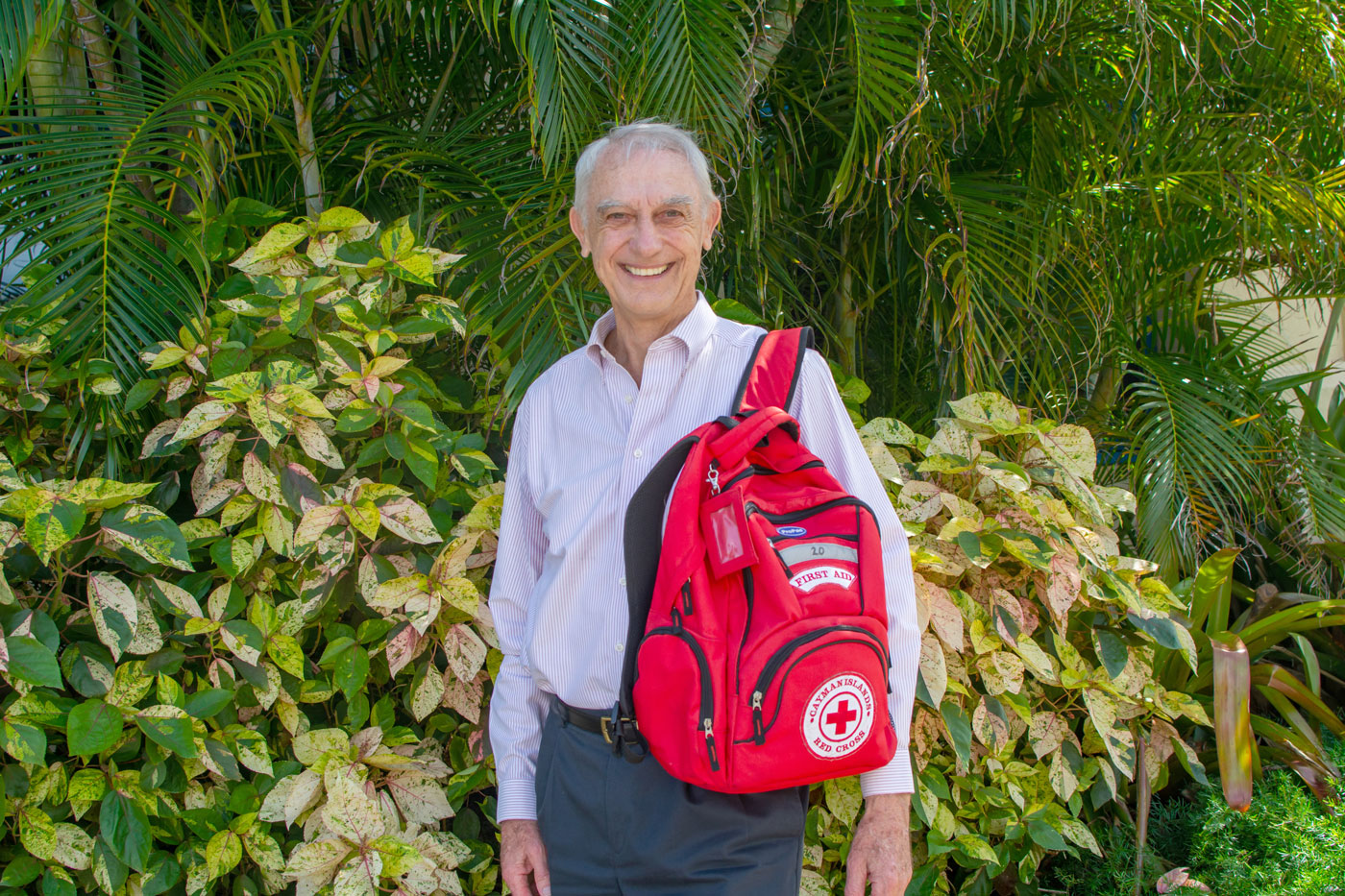
“The Bould Foundation is really pleased to offer these six free places to members of the Cayman community. Having done the course myself here in George Town, I can vouch for how much it adds to everyone’s portfolio. The chance to spread the mediation gospel, and put the wider skills of mindfulness, listening, and negotiation into daily practice,” Bould said. in a press release last week.
Golden opportunity
The course, the release said, will provide inspirational vocational training and is fully supported by Deputy Premier André Ebanks, MP, and will lead to long-term benefits for individuals and the community.
The course, which is available commercially for other applicants at $1,150, is led by the London-based international Faculty of the Society of Mediators and expert CEO Jonathan Dingle.
“It will give delegates the most up-to-date skills in community, business, and relationship conflict resolution – along with advanced negotiation, deep listening, and mindfulness. In short, those who pass will have highly transportable knowledge and accreditation,” the press release said.
In a statement, Ebanks called on the community to do the training for free, saying it is “a golden innovative opportunity to progress and lay the foundations for a successful career in many walks of life; whilst showcasing the potential of the Cayman Islands Meditation and Arbitration Centre”.
Megan Paget-Brown, director of the Cayman Islands Mediation and Arbitration Centre, added that she was delighted “we are able to offer this course to the Island. Mediation is the future of dispute resolution in all jurisdictions – as well as in our community. The skills people acquire in the week will allow them to change their lives and professional outlook.”
This will be the 10th time since 2008 that it has been run in the Cayman Islands.
Those interested should email [email protected] with their contact details and a short written piece, 100 words or less, about their background and why they want to do the course.
Priority will be given to those seeking to offer benefits to the wider Cayman community, to those not in their chosen profession, or to those not in or looking to return to work. There is no age restriction, minimum educational requirement, and no legal background is needed, the press release said.
Applicants must be free to attend the entire course from 18-22 Nov. at The Harbour Centre, 42 North Church Street. Those who wish to join the course on a paying basis should email [email protected] or call 345-945-0220.
About mediation
Mediation is a process of conflict resolution in which a trained neutral, called a mediator, helps two or more people in dispute to reach a mutually acceptable solution. The mediator – who often is not a lawyer – does not impose a solution, but helps create an effective conversation that allows people to explore possible solutions.
Mediation is often used as an alternative to litigation or other more adversarial methods of resolving disputes, as it is much quicker, far less expensive, and non-confrontational. People involved in a dispute can either agree to mediate voluntarily or be ordered by a court or other authority to attend mediation. If people agree to mediate voluntarily, they can choose a mediator, time and location that suits everyone.
Mediation can be useful for a wide range of disputes, including in community, neighbour, and family disputes; workplace conflicts; contract disagreements; personal injury claims; and many more.
It provides an opportunity for people to work together with a neutral mediator to find a mutually acceptable solution, rather than going through the often lengthy and expensive process of going to court.
Mediation is a collaborative process that allows parties to communicate and negotiate effectively, and it can often result in an effective, agreed, and usually more durable satisfactory outcome for everyone involved.
Related Videos