When faced with an acquaintance from her old school battling addiction, Rita Estevanovich, known for her work in arts and culture, embarked on a search for support services to help her on the road to recovery.
But what she found was a glaring lack of halfway home spaces for recovering women seeking to get their lives back on track.
Taking to social media, Estevanovich called for guidance on what she could do to help her former schoolmate, but that cry only yielded more concerns and questions about the absence of sufficient housing rather than solutions.
“I went on Facebook because it really bothered me that there was no halfway home for women,” she told the Cayman Compass.
She said the woman wants to be clean, but is struggling to stay motivated.
“She checks herself in from time to time but says she needs a longer rehabilitation period. And a halfway house for continued support. Addiction is a vicious cycle of highs and lows, and hope is key,” she said in an updated post on the situation.
Not a new challenge
Estevanovich’s challenge is well known to people like Kimberly Febres, clinical supervisor of Caribbean Haven Residential Centre, who encounters all too often the struggle of women seeking to get and stay clean.
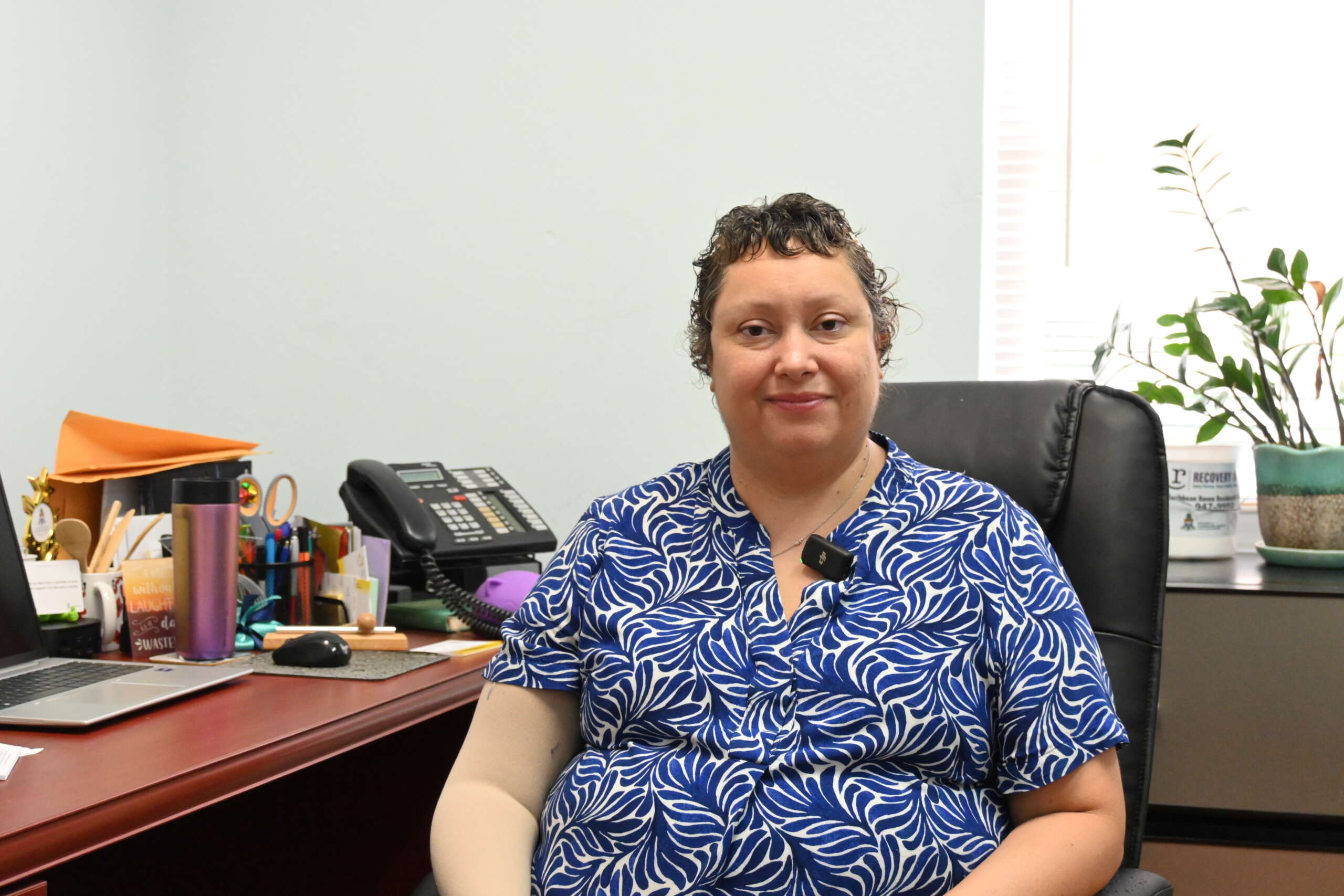
She said there are options for men when they leave the Bodden Town facility – either transitional housing or a longer-term halfway house in the community “to kind of bridge the gap between being in treatment and being fully independent”.
However, Febres, in a recent interview with the Cayman Compass, said “there is nothing like that in the community for women at this time and I think that that is a serious gap in the system”.
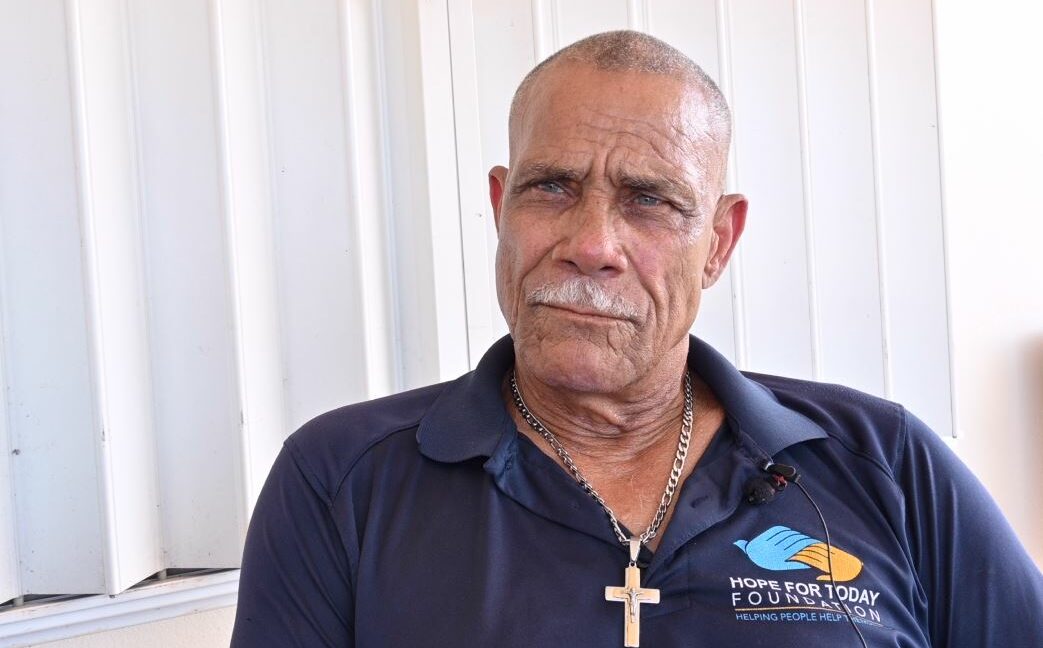
Brent Hydes, Hope for Today operations manager, shares Febres’ concern saying that the community needs an alternative for women who want to recover and transition into society.
“In my experience in the past, it’s very difficult sometimes to get a woman to come to a place like the halfway house, and it’s usually because of their relationships … so a lot of them choose the option of trying to seek rehabilitation even if it’s with a family member or a family home,” he said.
He said after going through the treatment process, “it would be great if we had a halfway house that they would have that option, that alternative [for support]”.
Febres said while services over at the Women’s Centre at Caribbean Haven have traditionally been underused, this year they have had an increase in calls from females seeking treatment.
“Both the non-medical detox and the residential treatment programmes [are] seeing a 100% increase over last year. This may be a result of the additional pressures people are facing of late with inflation in the housing market, food costs, etc, which can contribute to an increase in substance use as a way to try to cope,” she explained.
Hope on the horizon?
Earlier this year, the Compass highlighted, as part of its series on homelessness and mental health challenges in the Cayman Islands, the expansion of halfway homes, including spaces for women.
At present, Caribbean Haven can accommodate four to six people through their women’s centre residential programme at the Bodden Town facility.
However, availability also depends on if those spaces are needed for transitional clients, which could leave just three beds for residential treatment.
The Bridge Foundation also offers some space for recovering individuals.
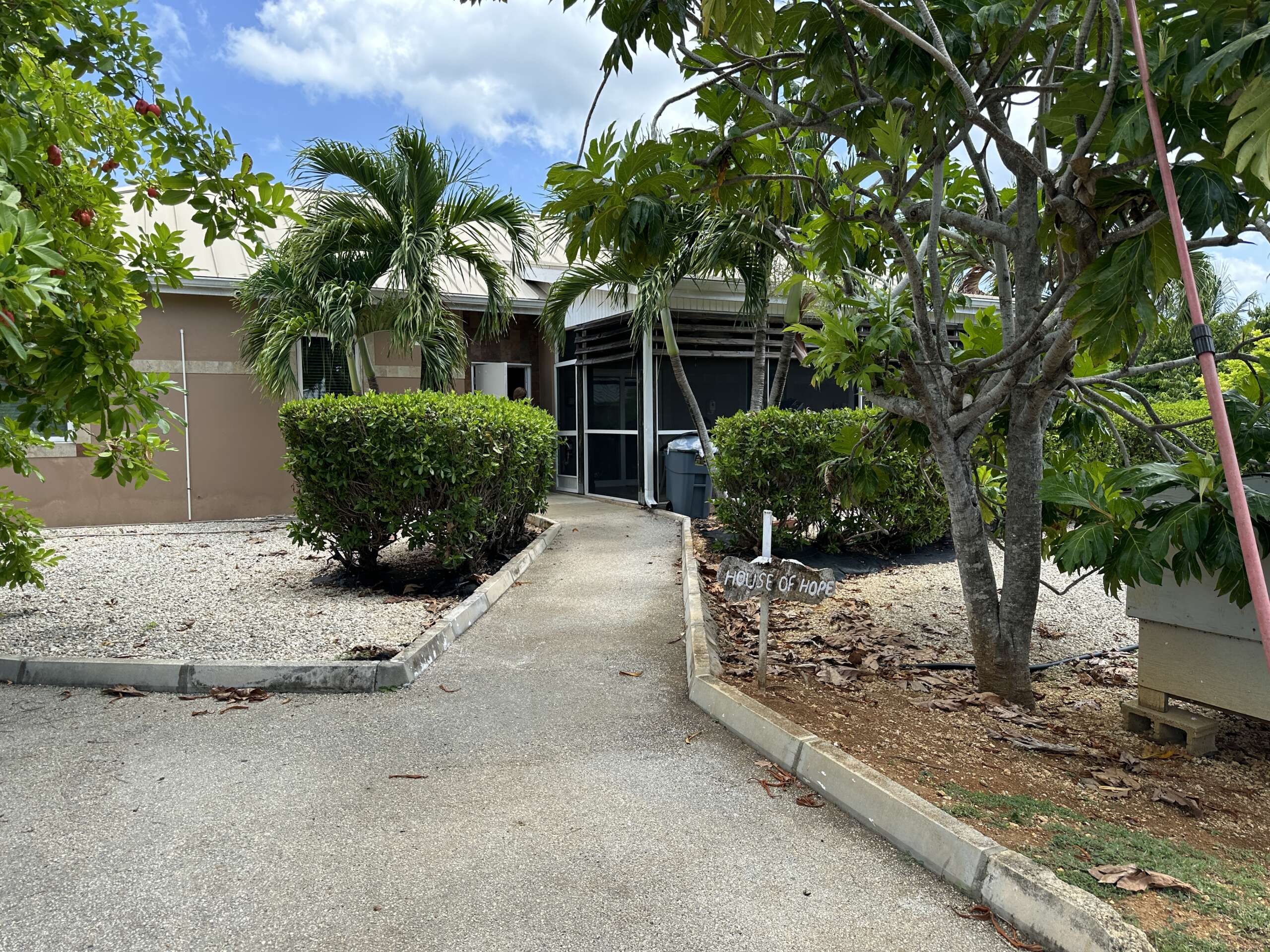
There is a group home in West Bay, but space there is also limited.
Over the past few years, Hydes has been seeking support for a women’s halfway home.
He said he has made some progress through discussions with a pastor in Bodden Town. However, this will be a small facility for four to six women.
“That is a really, really good start that can take off. We have to look at the … financial cost, compared to the amount of women that would actually be committed, to the process of recovering and staying in a halfway house,” he said.
Hydes said he believes he can get the support from Deputy Premier André Ebanks, who is also the Social Development Minister, to get the home up and running.
However, apart from the government support, Hydes said the home will need help from the community.
“We just can’t throw a halfway house into the community. First of all, we have to get the community as a whole to buy into it, because the whole idea of putting people in substance abuse, who they know committed crimes in the past, in the middle of somebody’s neighbourhood without their approval could lead to trouble,” Hydes said.
He said the discussions are ongoing and he is hopeful the home can soon become a reality.
More women reaching out
Febres said she has been seeing an increase in those reaching out, which she considers a good thing as typically women try to hide their addiction. “They may not themselves have admitted how bad it’s gotten for them.”
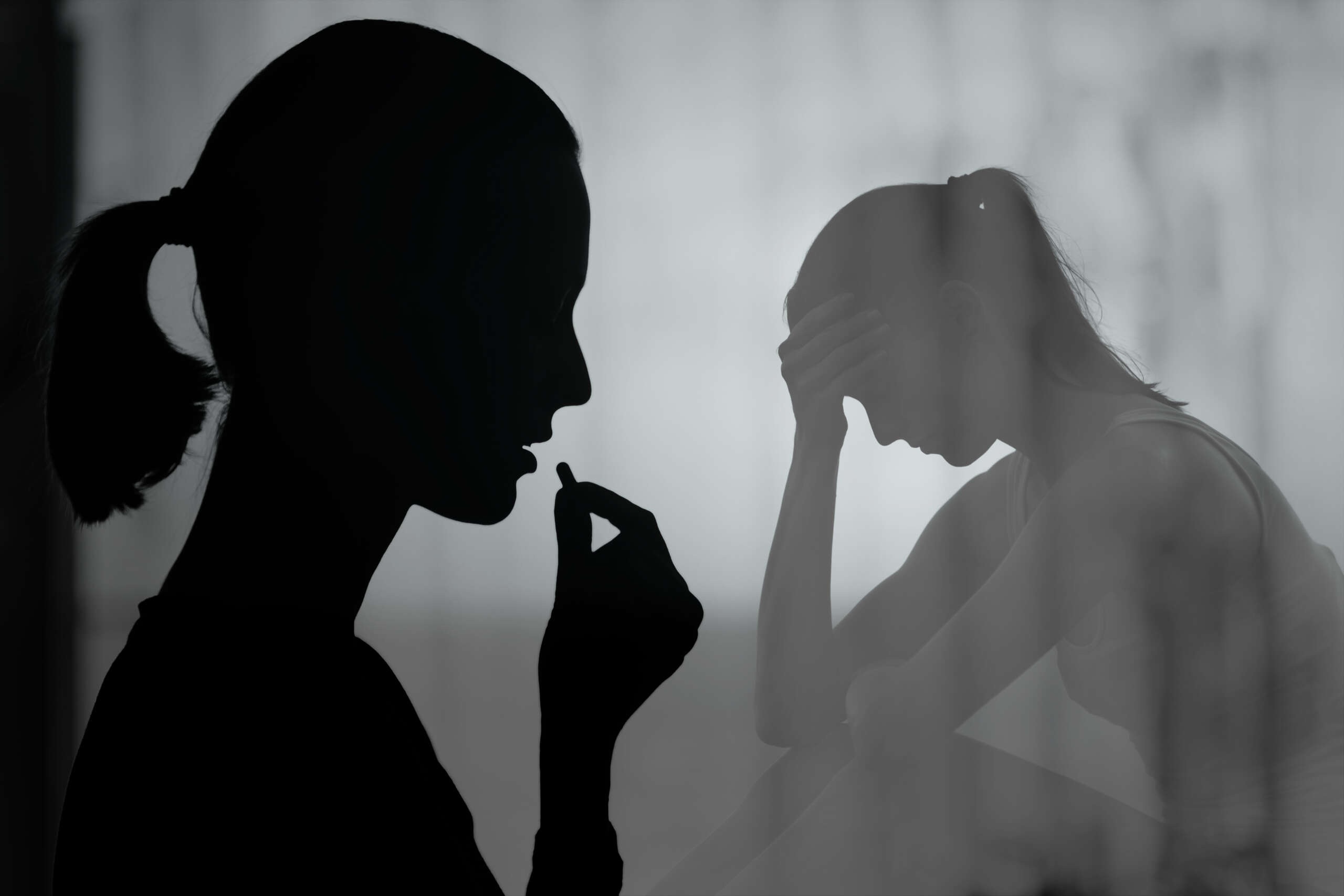
Unlike with men, sometimes women choose to use substances alone or are often “very secretive” with their addictions, which then becomes something that they are ashamed of, she said.
“A lot of people see [addiction] as a moral failure. So [it’s hard] for a woman to think ‘Man, you know I can’t cope with life’.”
She added that they find themselves “self-medicating with alcohol or other substances because they’re having a hard time coping and then feeling shame around it, but also shamed by others”.
In reality it’s just about trying to survive and what “we know about addiction now is that it’s not just a behavioural thing”, Febres said.
“It’s a very complex interaction between what’s happening in the brain, what’s happening neurobiologically, what’s happening in the environment, what’s going on with the person’s genetics and their physiology. It’s a complex disease in that way,” she said.
Febres said frequently a lot of the women who come in for non-medical detox at Caribbean Haven often say it is hard for them to prioritise themselves and their recovery.
“There’s a ‘Well, who’s going to take care of my family? Who’s going to look out for my partner, my kids, my parents … whoever they may be responsible for. And it’s really hard for them to turn it around and say, ‘Well, who’s looking out for me?'” she said.
Hydes said getting past those internal hurdles is an important step on the road to recovery, and that following the steps in the treatment programmes help achieve success.
“My message to anybody seeking recovery is to trust the process. When you’re working with the counsellors, the professionals, try to put yourself in a position where the work that they are suggesting you follow. Too many times the people in rehabilitation try to design their own programme,” he said.
If you or someone you know is struggling with addiction, you can reach out for help at [email protected] or call Caribbean Haven at 947-9992. Services are free and are accessible on a 24/7 basis.
Related Videos