

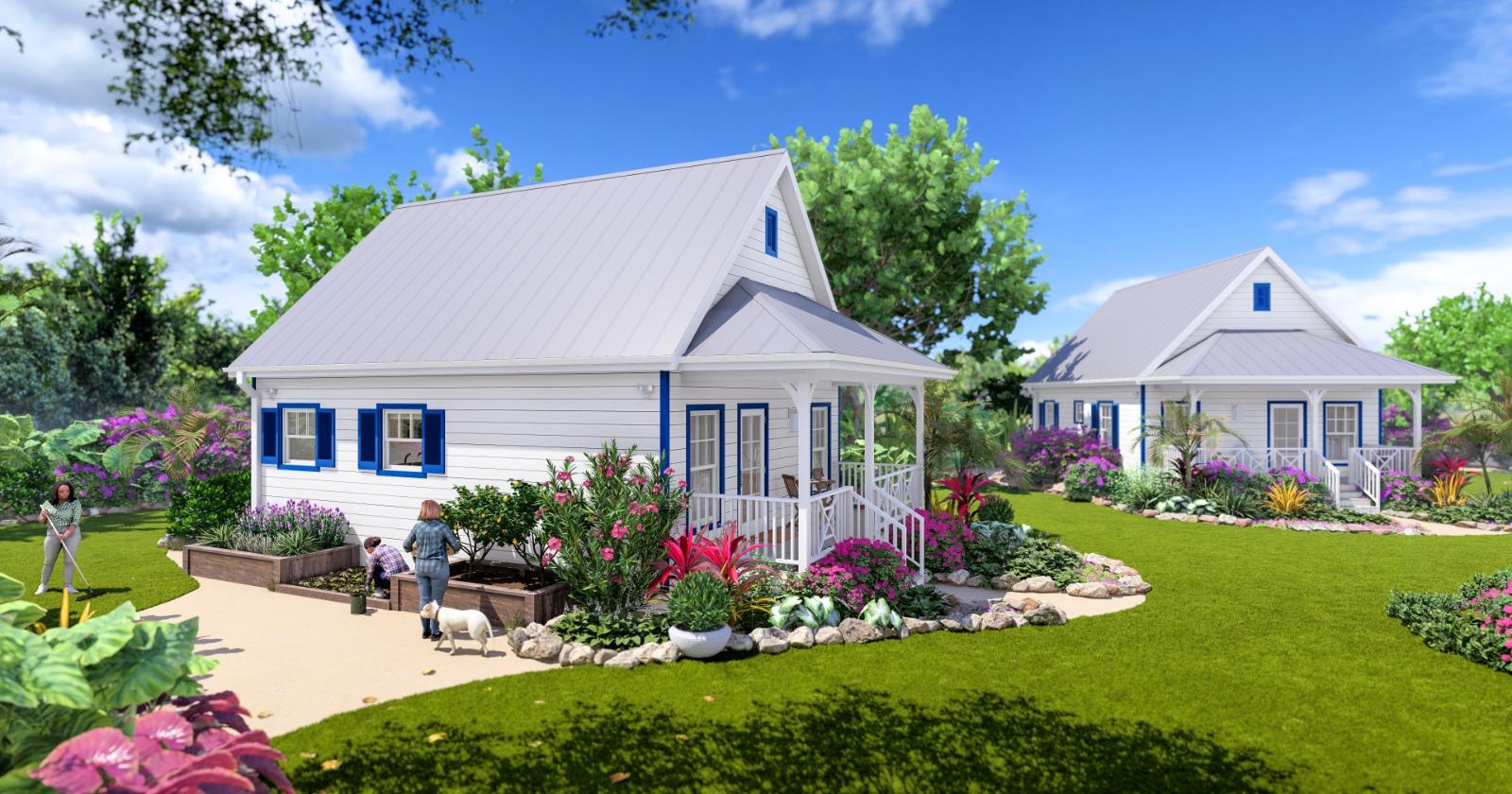
Cayman’s first purpose-built, residential halfway house for women in recovery from alcohol or drug addiction could be welcoming its first guests within a year, if attempts to raise vital funds are successful.
The Bridge Foundation, which already runs a halfway house for men dealing with addiction in West Bay, has acquired a neighbouring piece of land and plans to build the all-female Phoenix Bridge House facility, run by women, to help women struggling with addiction issues.
Scott Haugh, director of The Bridge Foundation, told the Cayman Compass that the group was hoping to raise corporate sponsorship from the private and public sector to fulfil their plans for helping women on their journeys away from addiction. The group is also seeking volunteers to join the steering committee to help with the project, including raising awareness and fundraising for the mission.
“We want to give women as many chances as possible,” he said.
“Our halfway house for men has been doing a great job, but there’s an unmet need for Caymanian women who deserve the same opportunities to be sober and successful.”
Women often faced a harder journey when dealing with addiction, he said, as they were more likely to have family responsibilities or be living in toxic home environments.
“We want to create an alternative where a Caymanian woman in early recovery could bring her children to live at this campus,” he said.
“While helping them access sobriety resources, we also help people with wraparound services involving government, social services and the Crisis Centre. We want to give women as many chances as possible.”
The Bridge Foundation CEO Bud Volinsky said that there was no equivalent to the men’s halfway house for women at the moment in Cayman.
“Women who are leaving [drug counselling centre] Caribbean Haven now will end up back in their old haunts where their triggers are, which is a problem. We want to create a safe community for them,” Volinsky said.
Phoenix from the ashes
Between 2015 and 2016, The Bridge Foundation was able to accommodate women in a facility in West Bay but the lease ran out and the programme was forced to end. Rising out of the ashes is the Phoenix Bridge House project, which will contain four separate residences with two bedrooms and a full kitchen.
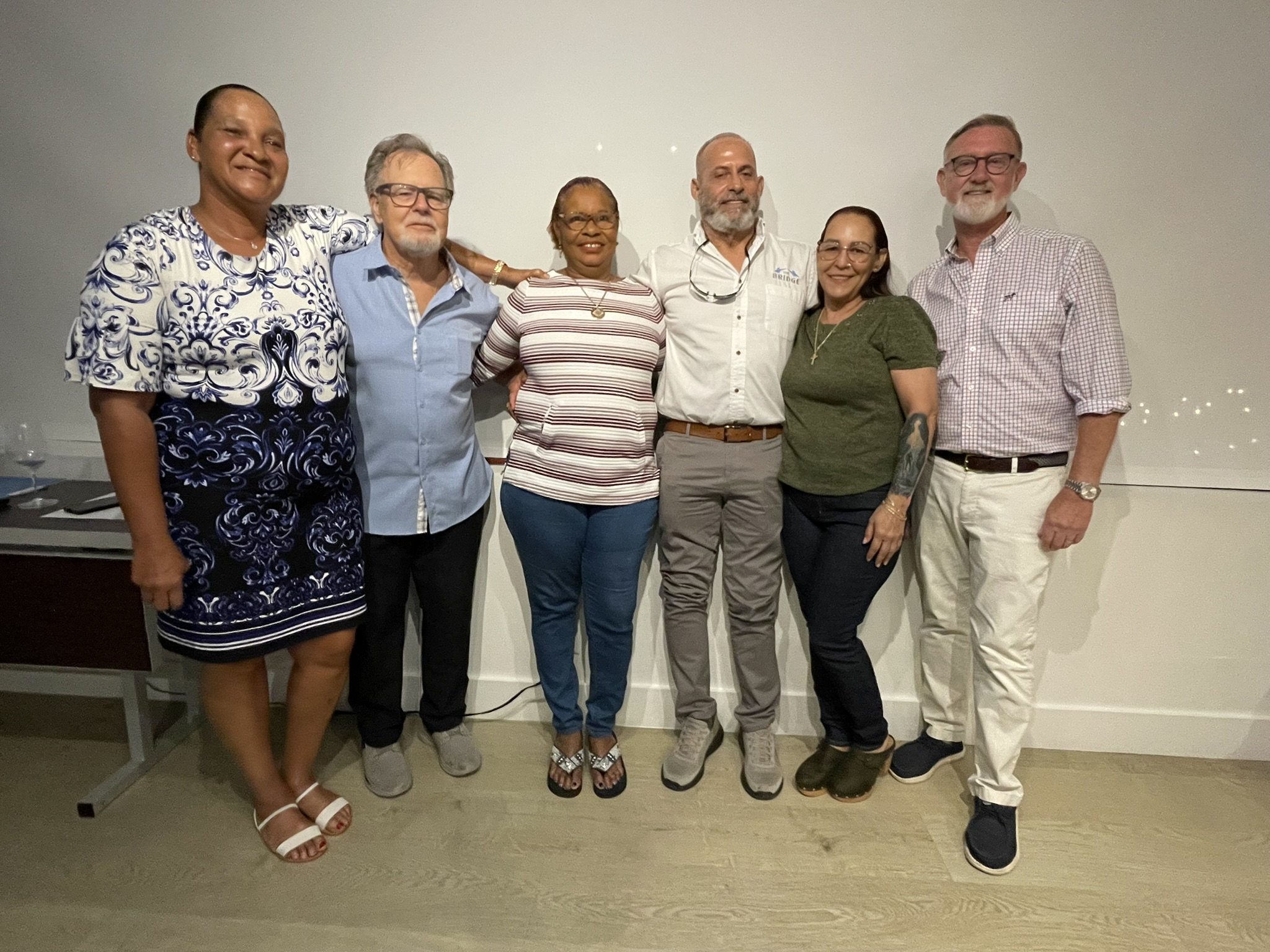
At this week’s launch event at the Grand Cayman Marriott resort, three women bravely shared their stories of battling with addiction.
Emma Powell will soon celebrate 10 years of being sober and told the room, “My journey hasn’t been easy, but I’m proud to stand before you today as a testament to the power of recovery.”
Growing up, Powell, who now works for The Bridge Foundation, struggled with the loss of her father at an early age, and was then separated from her five siblings.
“I turned to drugs to cope with my pain and fears,” she said.
“For 45 years I was trapped in a vicious cycle of addiction, trying to fill the void with substances, but it only led to more suffering.”
In 2014, Powell found help with The Bridge Foundation and, she said, “My life began to change. Their structured environment and support system helped me build a solid foundation for my recovery.”
Second to speak was Beverly Pars, who will be 11 years sober this year.
“The Bridge Foundation gave me back my life,” she said.
“I had ended up in the wrong place but I got clean in 2013 and went to Bud and said to him, ‘I’m not ready to go back out there.’ He said to me, ‘Don’t worry. We are going to find a place for you.’
“If it wasn’t for Mr. Bud, I wouldn’t be alive today. And we need this halfway house because we are losing women out there on the street.”
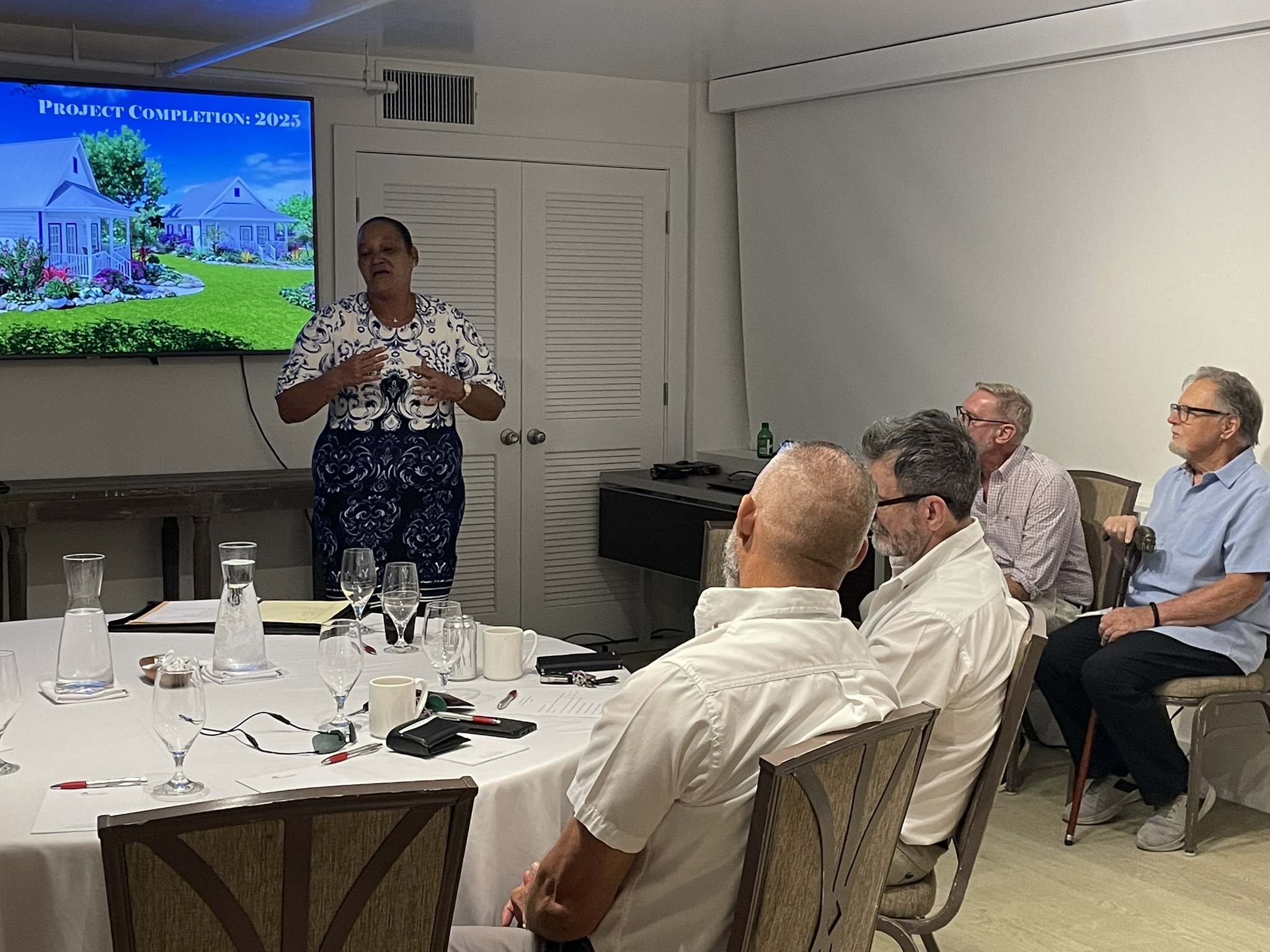
The last woman to speak was Sacha Miller, who said that she was on drugs for 24 years, having started stealing alcohol at a young age to cope with the loss of her parents, and soon found herself in a cycle of addiction.
“There was nothing I wouldn’t have done to get high,” she said.
It was while facing a prison sentence that she saw a newspaper article featuring Pars and her work with The Bridge Foundation.
“She gave me that inspiration. I wanted that opportunity. Just by reading Beverly’s story, I saw hope,” Miller said.
It was at The Bridge Foundation that Miller says she finally found a home.
“It was the home I’d never had in my entire life. I had love, I had care, I had support and family that I’d never had. I’m going to be ten years clean this year,” she said.
Volinsky came up with the idea of starting a transitional housing programme for people recovering from addiction in the Cayman Islands after he began volunteering at the local treatment centre Caribbean Haven.
He noticed that once released, individuals who went through Caribbean Haven’s recovery programmes ended up back in prison before long. So, he founded the centre in West Bay to provide support for people already on the path to sobriety.
Residents, who are referred to the centre from facilities including the probation service, drug court, Caribbean Haven or the Counselling Center are required to attend three to five 12-step meetings per week and are encouraged to get a sponsor.
“I’ve had friends die from this disease and I’ve had other friends flourish who worked through their programmes,” Volinsky said.
“What we do works. We’re not counsellors. We depend on one alcoholic or addict being able to help another.
“Our mission now is to restore the dignity and self-respect of our residents and prepare them for the challenges of being integrated into the community, as well as a lot of things we take for granted, such as having a passport, driving licence and a bank account.”
The Bridge Foundation also runs Beacon Farms in East End, which provides a safe and sober work environment for Caymanians recovering from drug or alcohol abuse. Programme participants can learn farming skills while they continue to rebuild their lives.
If you are would like more information about the Phoenix Bridge House project or are interested in giving individual or corporate financial support, contact Bud Volinsky, CEO of The Bridge Foundation, at (345)926-4053 or e-mail [email protected].
Related Videos











The Bridge Foundation are to be congratulated on their efforts to combat substance abuse their facilities are much needed. I will be in contact with them to offer in a small way, my financial donation.