

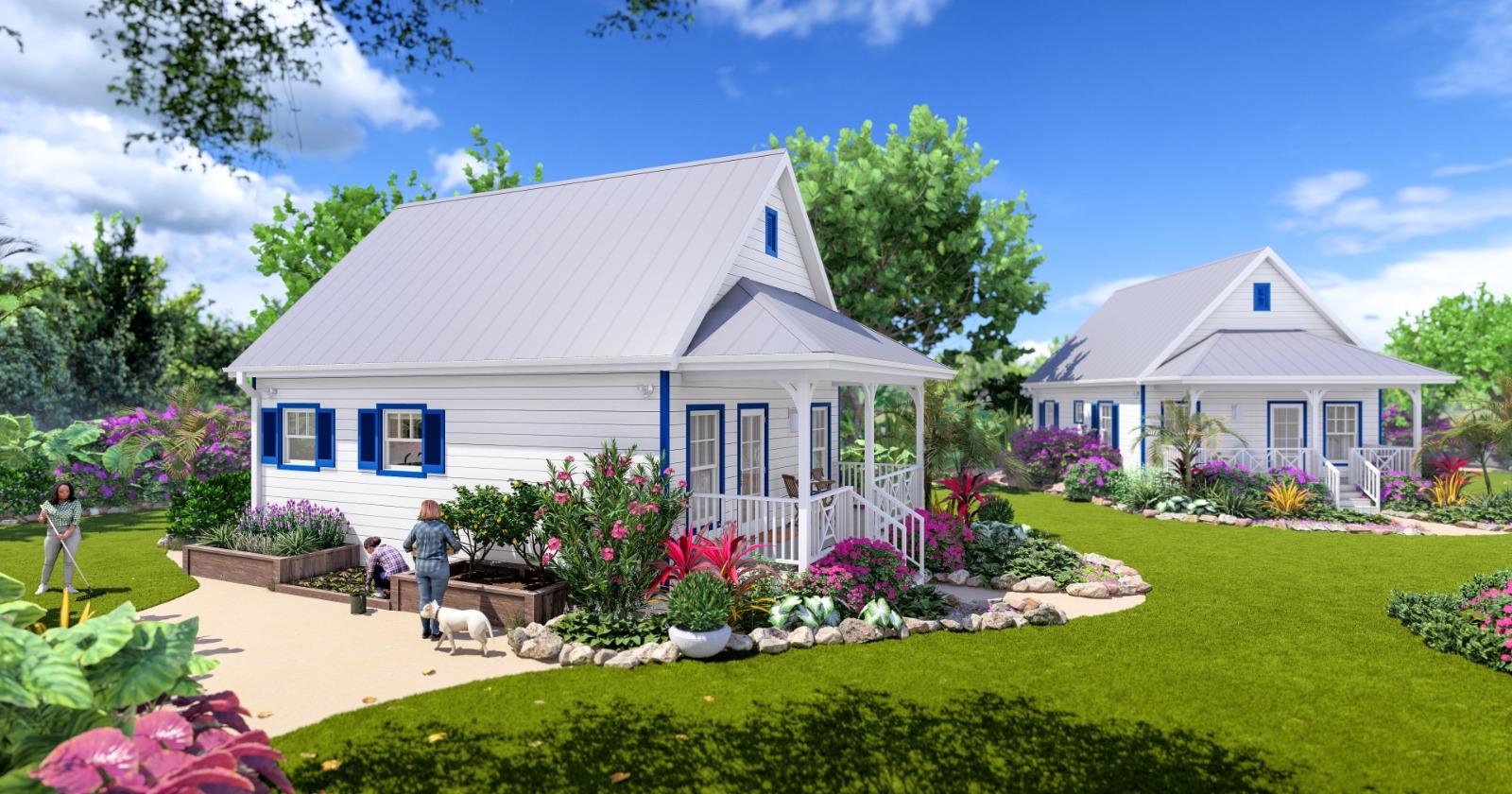
Bridge Foundation CEO Bud Volinsky is on a mission to open Cayman’s first all-female halfway house for recovering addicts in West Bay with the aim of replicating the success his male transitional home has enjoyed over the years.
The Cayman Compass recently highlighted the absence of a halfway house for women in a special report during Recovery Month, which was observed in September.
Experts in the recovery field in Cayman have agreed on the need for a home for women fighting addiction to facilitate reintegration during their journey.
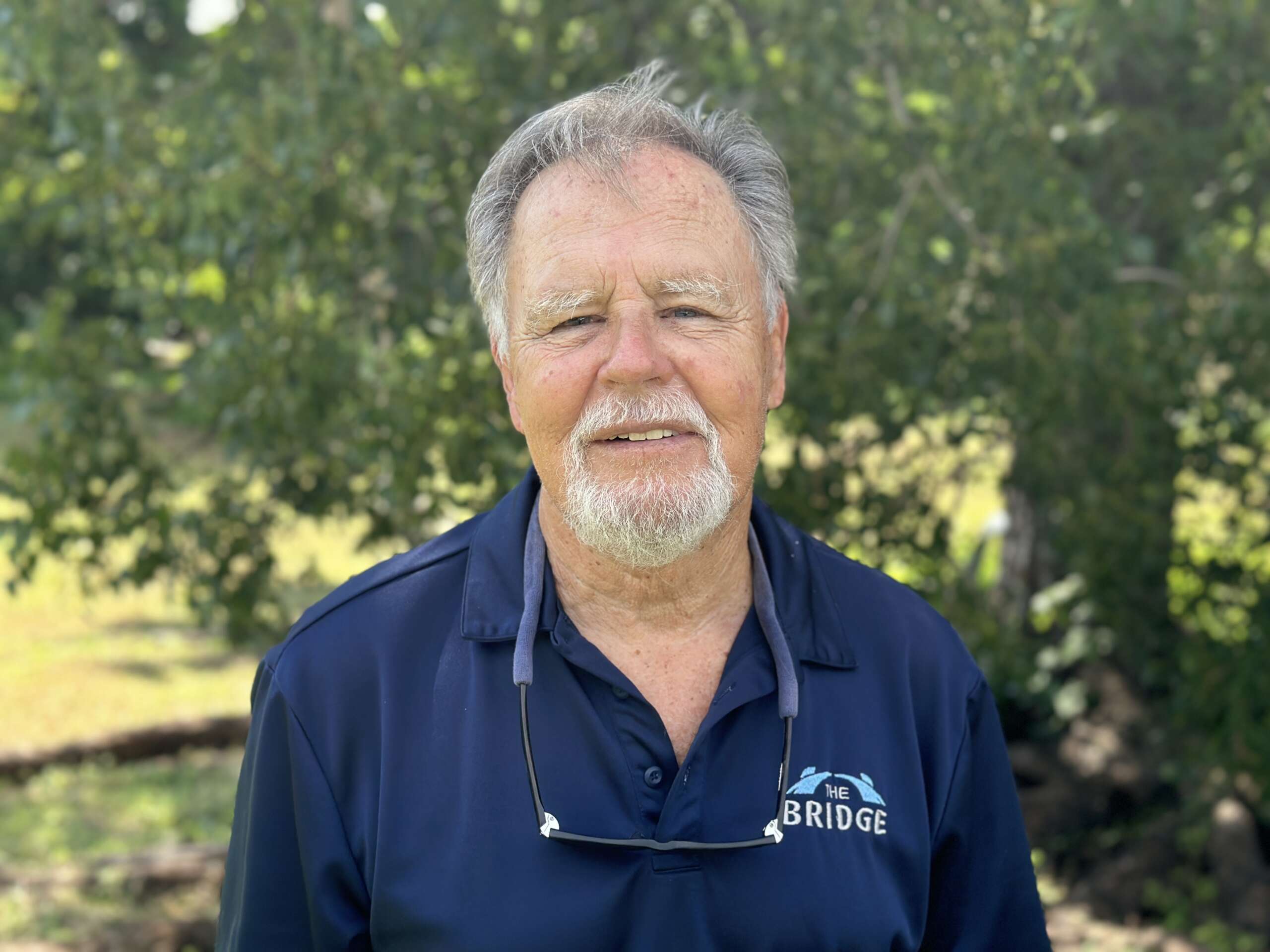
The Bridge Foundation has now accelerated its efforts to build a women’s halfway house, given the pressing need.
It has already acquired a piece of land adjacent to its West Bay campus on Hell Road for the creation and development of Cayman’s first purpose-built, women’s residential recovery facility.
Volinsky said the Compass article brought home the message that there is a dire need for halfway housing to be made available to women. The urgency has encouraged him and his team to press harder for the transitional home.
He admitted that the housing gap has weighed heavily on his heart, especially after having to tell women over the years that he could not accommodate them.
“We’ve had to turn women away because we cannot house women in the same residence as the men. It made me feel terrible because I have a real passion for recovery … There’s just no place to put them,” he said.
The proposed Phoenix Bridge Women’s Recovery Center, two years in the making, could help fix that problem, he said, adding the home would be run by women for women.
Rising out of the ashes
Cayman, Volinsky said, cannot ignore the reality that its women need recovery support too.
“These women will do so well,” he said. “Then we have to send them back to where they came from and before you know it, the old behaviours kick in again and it’s that merry-go-round back in front of the judges and incarceration. So, we need to break that cycle.”
The men have more options on their recovery journey, he said. But even the spaces for men are packed and there is a waiting list for beds.
He said, previously, the Bridge Foundation had housing in West Bay for women and four out of the six that used the facility remain drug-free today.
“So, the programme works,” he said.
The foundation, however, was unable to sustain the home and the lease ran out.
Rising out of that programme’s ashes is the Phoenix Bridge Women’s Recovery Center project, which the foundation is looking to launch in the coming month.
The project has already progressed to the design stage, he said, and will offer spaces that can accommodate family visits, including with children, which are helpful in the recovery process.
“They [kids] can come and be with [their mothers] on the weekends … during the day. However, they would have to go back to wherever the children are being cared for. But at least the women would have a stake in their upbringing, keeping the family together,” Volinsky said.
The vision, he said, is to build four residences with two bedrooms each, a full kitchen and a living room.
Gaining independence essential to recovery
While women can get detox treatment at Caribbean Haven, Volinsky said once they leave that facility, there is no other place for them to go. That means many end up back in their old environment in the absence of transitional support.
Jack McLean, operations manager at Bridge Foundation, knows that cycle very well, having lived it himself.
He said without the support that he received through the Bridge Foundation, he would not be the man he is today.
“God bless Bud and Kate [Volinsky] because there was no money [when I came in 2011]. There was no money from government. There was no money from anyone, except those people … Bud and Kate. [They] would go and beg for us. Bud took money out of his pocket for me to go in town or for any client to go in town to put in résumés for jobs and nobody was giving us jobs,” McLean said, becoming emotional as he recounted his past struggles.
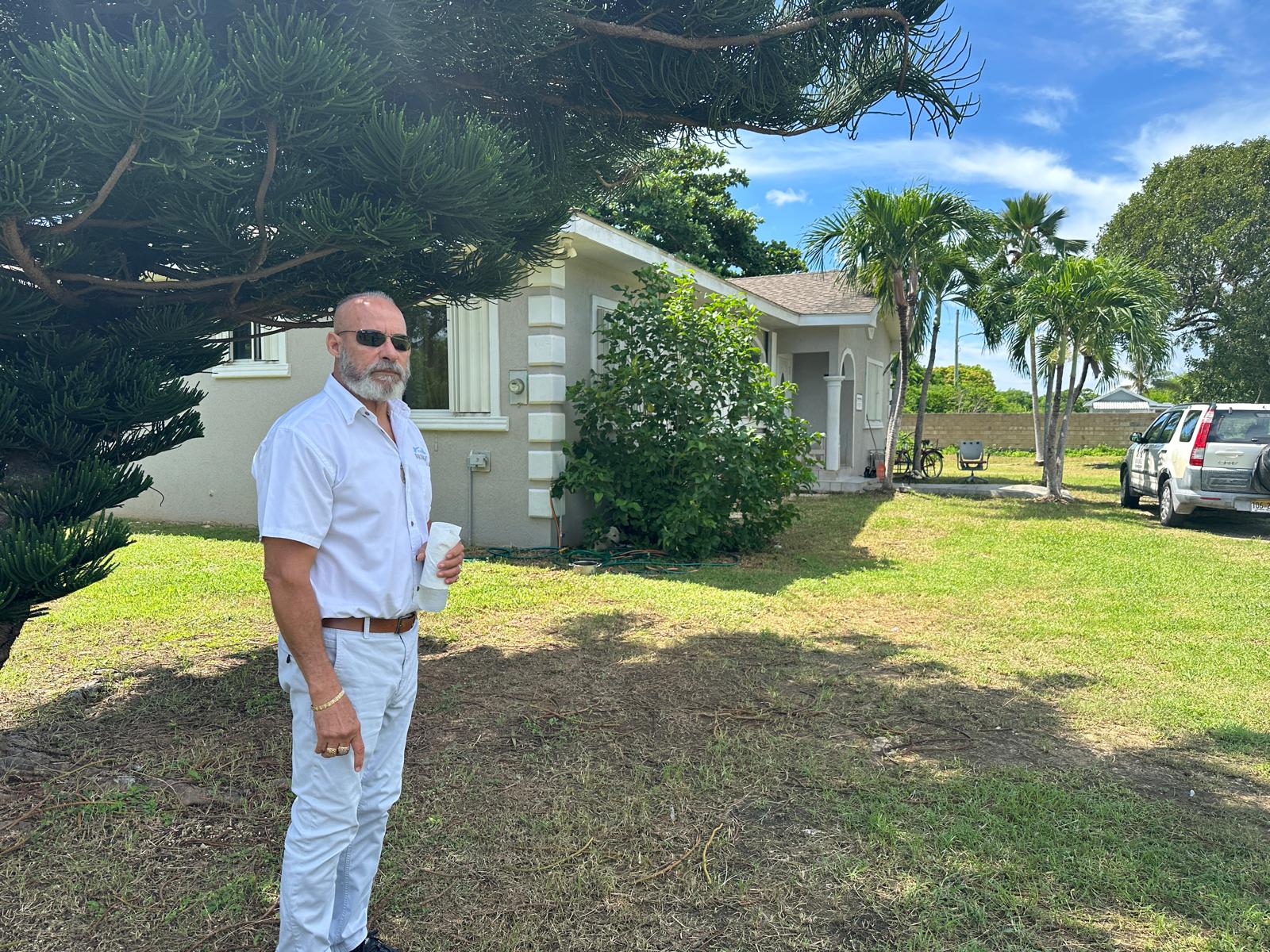
Now, he said, he remains clean and, apart from working at the foundation, he also runs his own business.
McLean is proof that recovery is possible and he said he wants women and men battling addiction to know that they can turn their life around.
He said the process for the new facility will be similar to the foundation’s, in that residents must be detoxed to participate and will be subject to an interview process.
Residents will receive assistance with establishing documentation, if they do not already have it, including driver’s licences, passports and bank accounts, so they can seek employment and earn their independence.
Volinsky said he will need the support of the government and the entire Cayman community to achieve the goal of the halfway house as he and his team begin a campaign to fund the over $600,000 project in West Bay.
“The quicker we can put the money together to do this, the quicker we can get this finished,” he said.
If you would like more information on the Phoenix Bridge Women’s Recovery Center project or to donate to the Bridge Foundation, email Bud Volinsky at [email protected].
Related Videos











Hats 0ff to the work by The Bridge Foundation. As well as to all that help in recovery efforts of our people!