

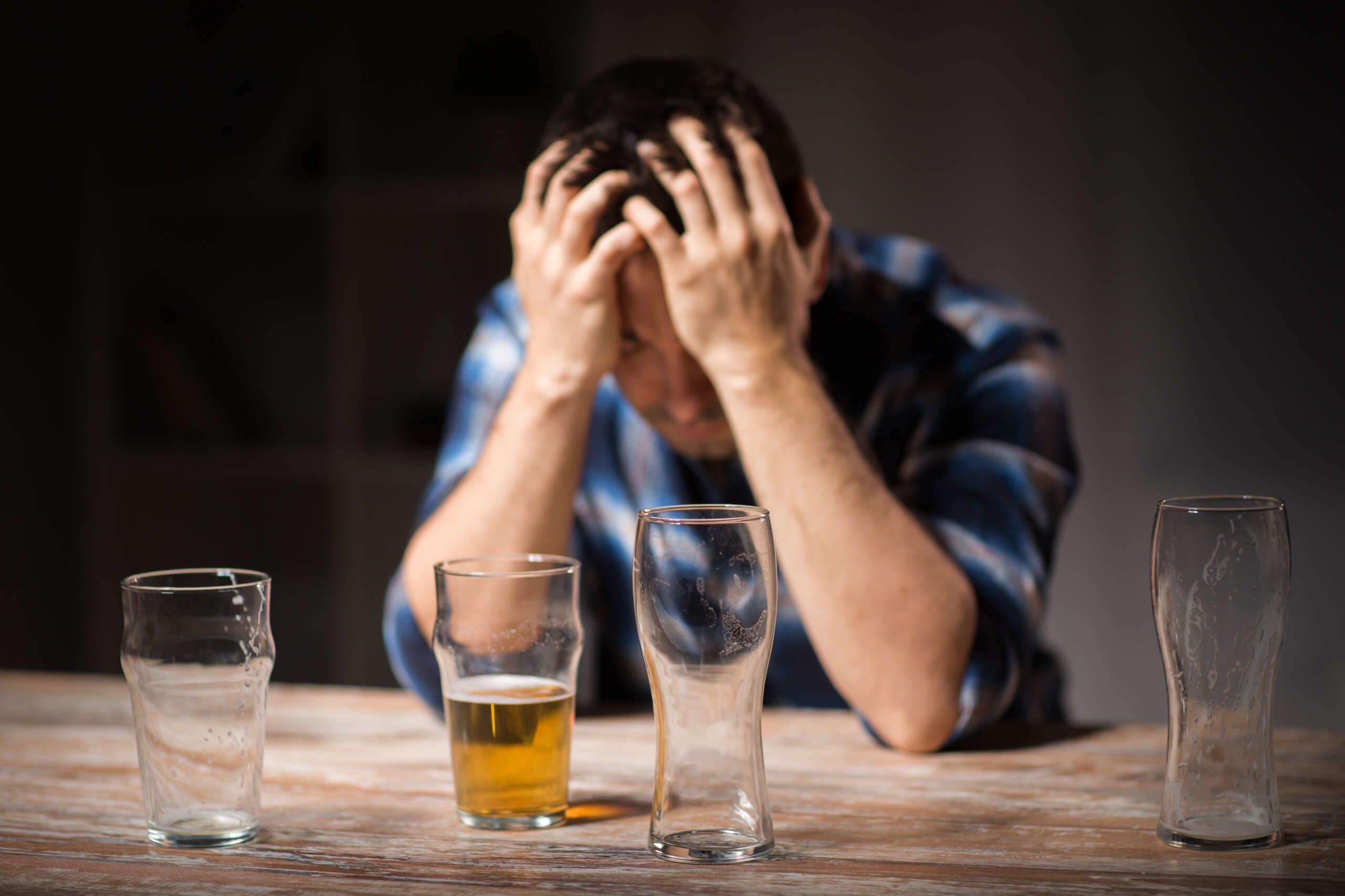
Local drug rehabilitation experts say addiction is a big problem in the Cayman Islands, but that recovery options and a support community are available.
Mark Miller, who has been struggling with addiction, told the Compass of his journey towards recovery after he lost his family, his home and eventually his dream job.
“I hit what they call rock bottom,” he said.
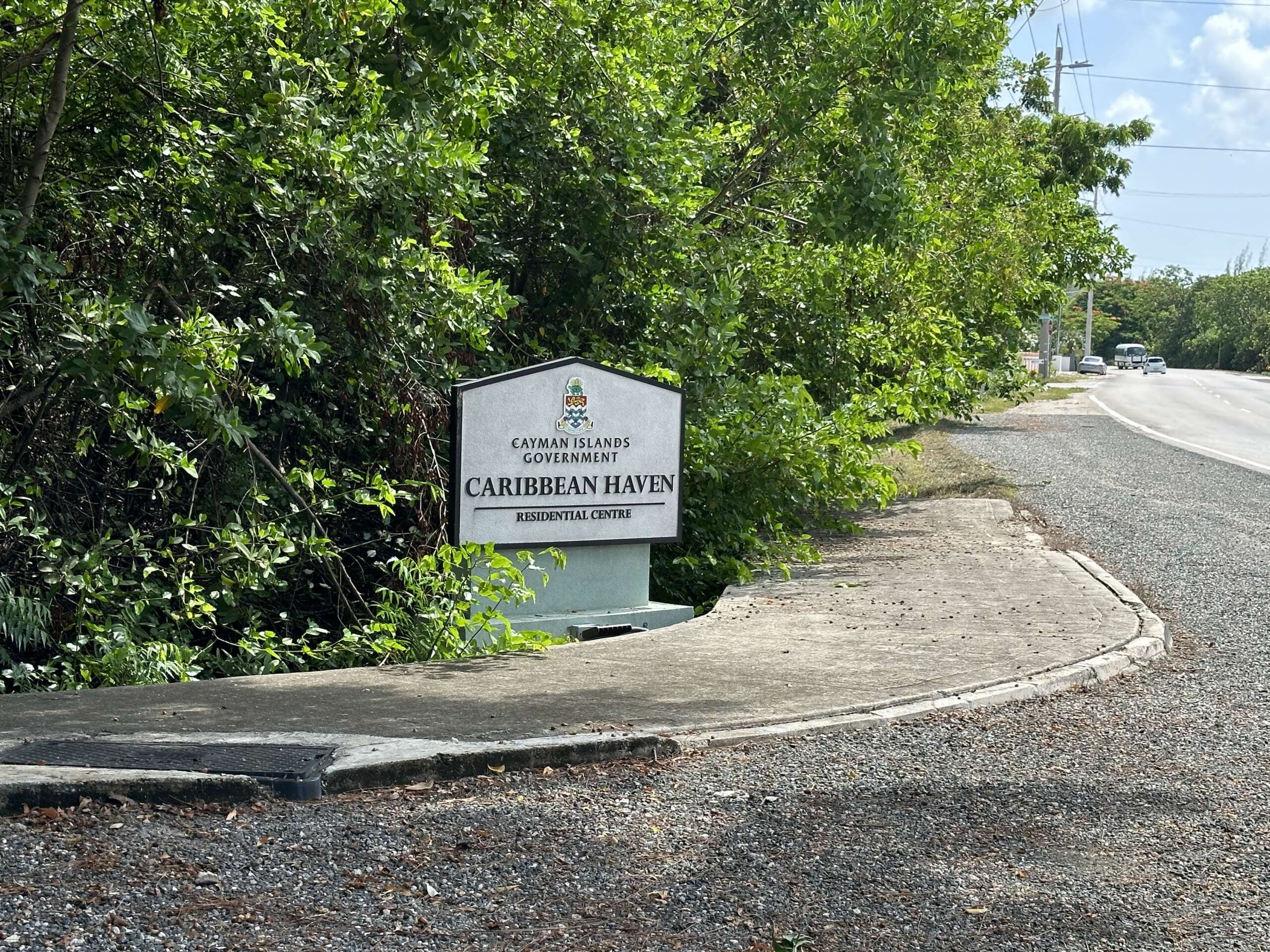
Emma Evans, a therapist at Caribbean Haven Residential Centre, in Bodden Town, explains how the facility offers addiction recovery services to people like Miller.
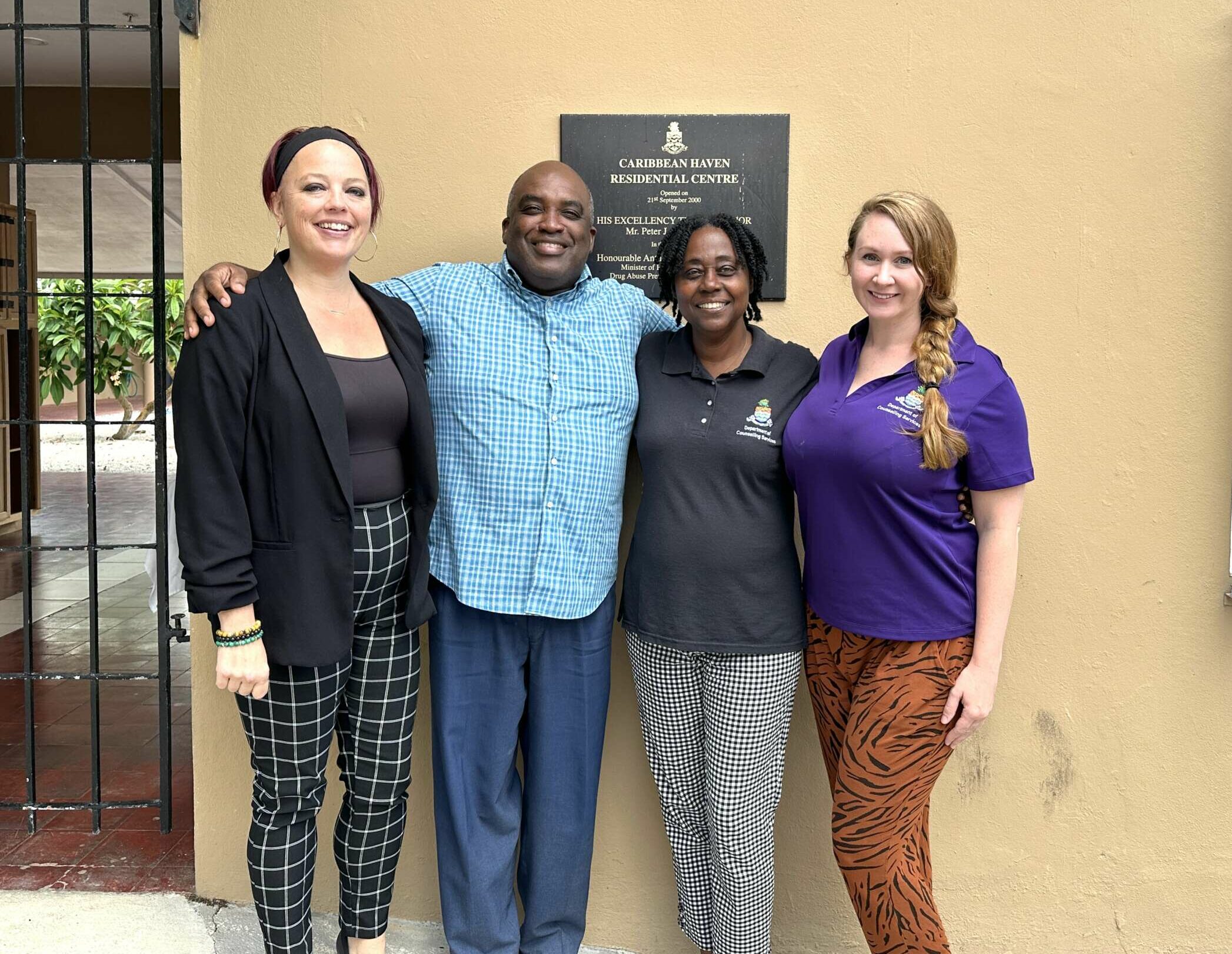
“We focus specifically on drugs, substances and alcohol,” Evans said. “However, addiction is a wide-ranging problem. People are addicted to work. People are addicted to gambling, computers, pornography, exercise. It’s more about the behaviour and how people use these things to help manage themselves, manage their emotions and help them to cope with difficulties in their lives.”
She said issues like these are brought into focus during Recovery Month, started in September 1989 by the US Substance Abuse and Mental Health Services Administration to raise awareness about evidence-based treatment and recovery practices.
Resources are available in Cayman, but Evans said for a lot of people, addiction creeps up on them.
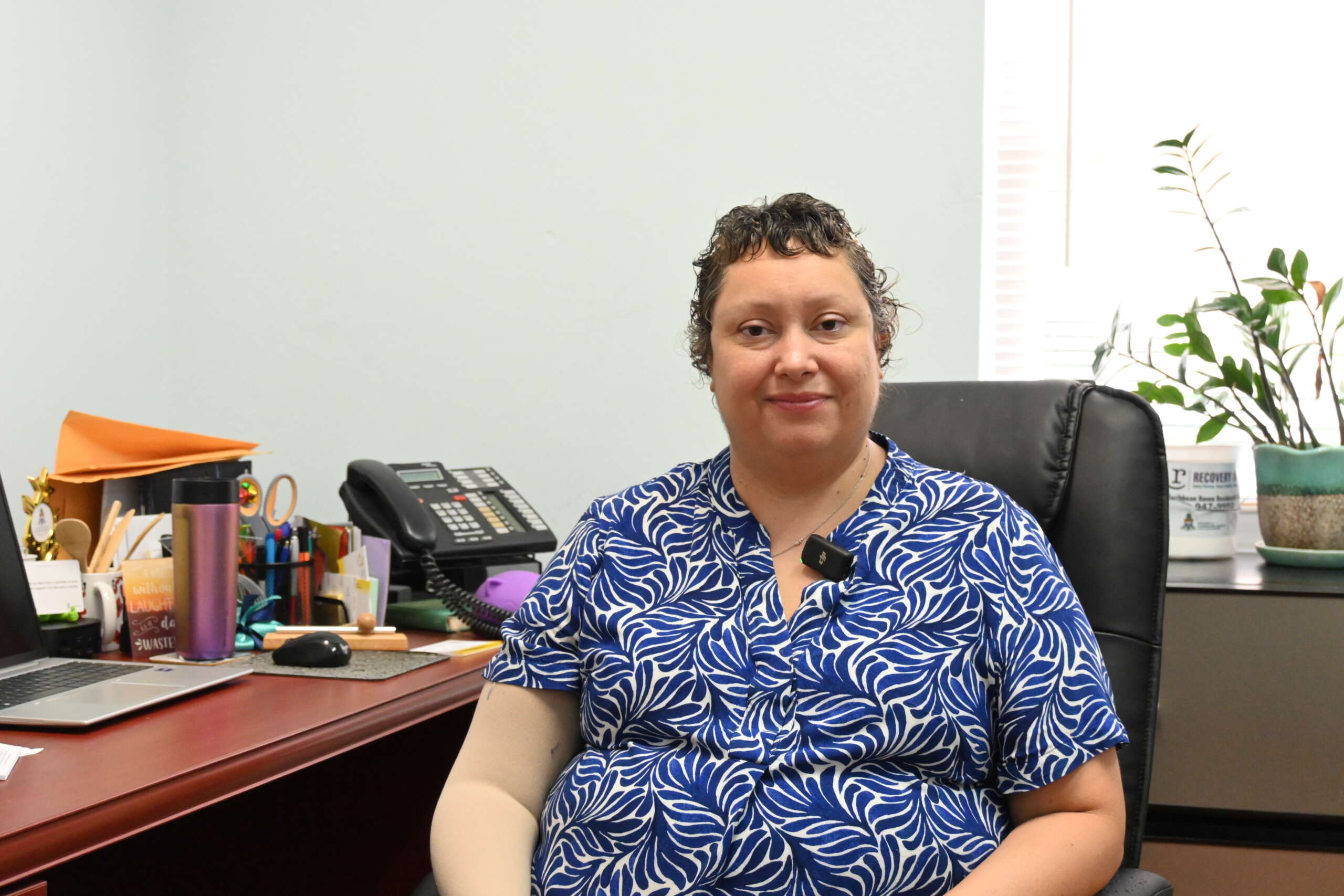
“They don’t realise they’re addicted until they stop functioning and by that, we mean that their work, their relationships, their finances become quite significantly affected,” she said.
Crime statistics provide a hint at the prevalence of drug abuse.
RCIPS crime statistics showed that there were 150 drug offences in 2023, and while there were some reductions in most types of drug offences related to ganja there was an increase for possession of cocaine, the report stated.
People facing drug charges may be offered rehabilitation services.
Even without court involvement, Evans said, reaching out for help can be difficult for people.
“None of us want to admit that we’re not coping,” she said.
Seeking community support can be a vital step towards recovery.
“Just reach out, reach out to anyone. There’s the [government-run] Counselling Centre, which offers free services, or there’s Caribbean Haven,” she said.
Kimberly Febres, clinical supervisor at Caribbean Haven, said many of the centre’s clients also have co-occurring mental health issues and histories of complex trauma.
Addiction, she said, is a complex disease and it is a medical issue just like any other illness.
“If we see it that way, instead of a moral failure, then that could make accessing treatment a little bit easier. It’s just like if you have any medical problem; you go to a doctor and you get treatment. If you have an addiction, you can get treatment and it is very treatable,” she said.
Fighting for a future: Stories of hope and recovery
On the surface, father-of-two Miller was a successful customs officer who excelled at his job, but hidden by his affable personality was a secret addiction to alcohol.
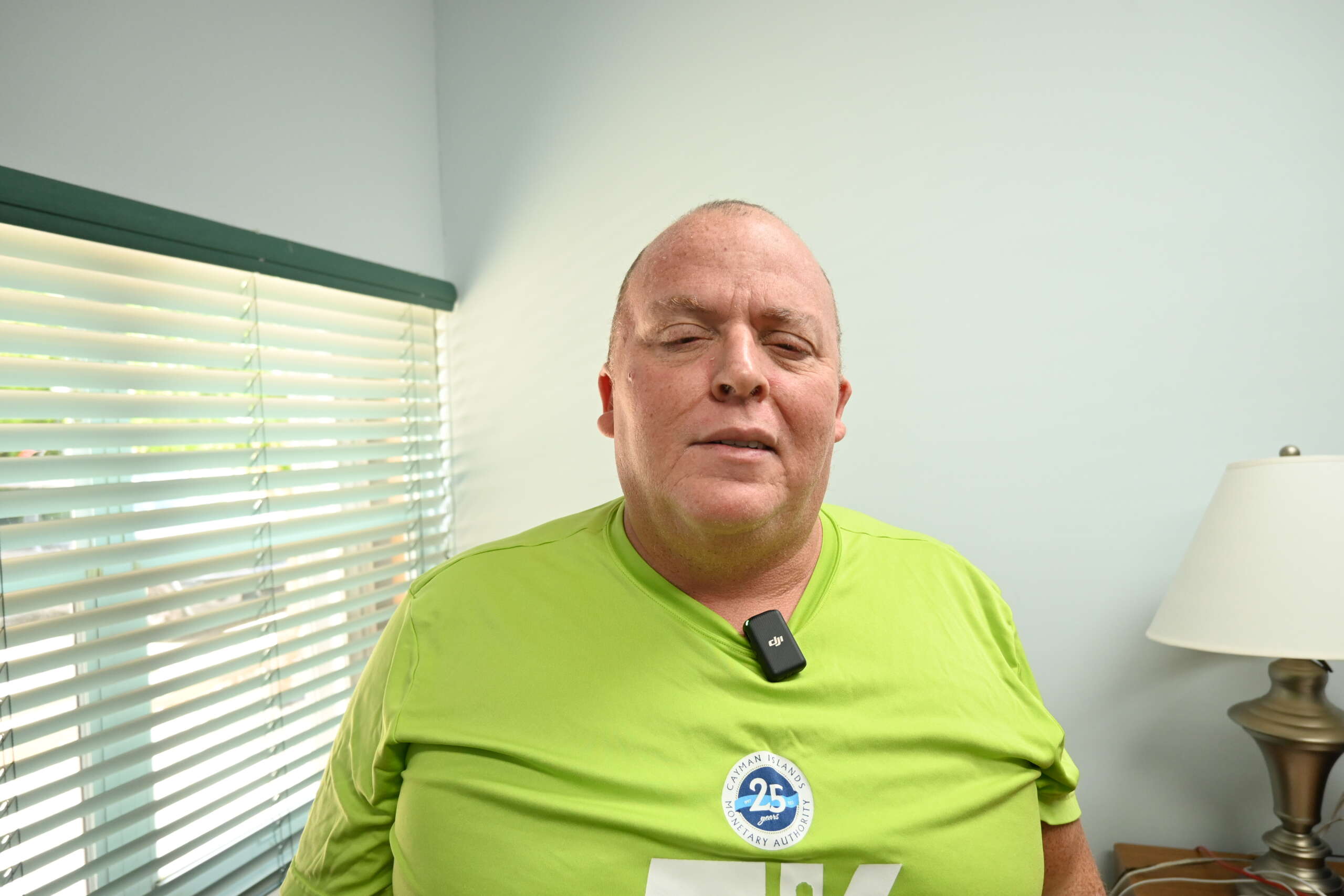
He recounted the low points of addiction, like living in cars and showering in the homes of friends so no one would know how bad his problems had become.
Miller is now one of many people in Cayman working on recovery.
His struggle with addiction started when he was 15 years old, hanging out and drinking beers with his brother. Later, he’d move on to hard liquor.
“I was a very quiet, reserved person and I was so shy and I never felt comfortable in my skin. So when I drank it was like, ‘Oh’. I always had like a strong appetite. Beers [weren’t] enough. I needed like a Long Island ice tea … and something stronger,” he said.
He would seek alcohol as an outlet from life’s stresses and, soon, the habit began demanding a lot of his money.
Miller, like many people facing addiction, struggled to hold onto sobriety over the years.
During his bouts of alcohol abuse, he didn’t recognise he had a problem. As long as he maintained a job and a family, he thought he was fine.
“Somehow I kept things kind of balanced and managed to keep my job and … with the shift work, it kind of helped me. I would work, then I’d go for my little spree and then it would kind of balance out,” he said.
When his illusion of perfection shattered, Miller said he had to admit to himself that he needed help.
He said things got to the point where he did not trust himself to be alone, and he checked into the mental health unit at George Town Hospital.
Miller, who is nearing the end of his treatment at Caribbean Haven, said looking back at the experience, he can see the cycle he was trapped in with alcoholism.
“Although I did stay sober for like 16 months one time, most of the time I would do like eight, nine months [without drinking]. I really feel now, with the skills I learned here [at Caribbean Haven], that I can keep it together and still go back to my meetings and see a counsellor when I need it and talk about things,” Miller said.
A decade of sobriety
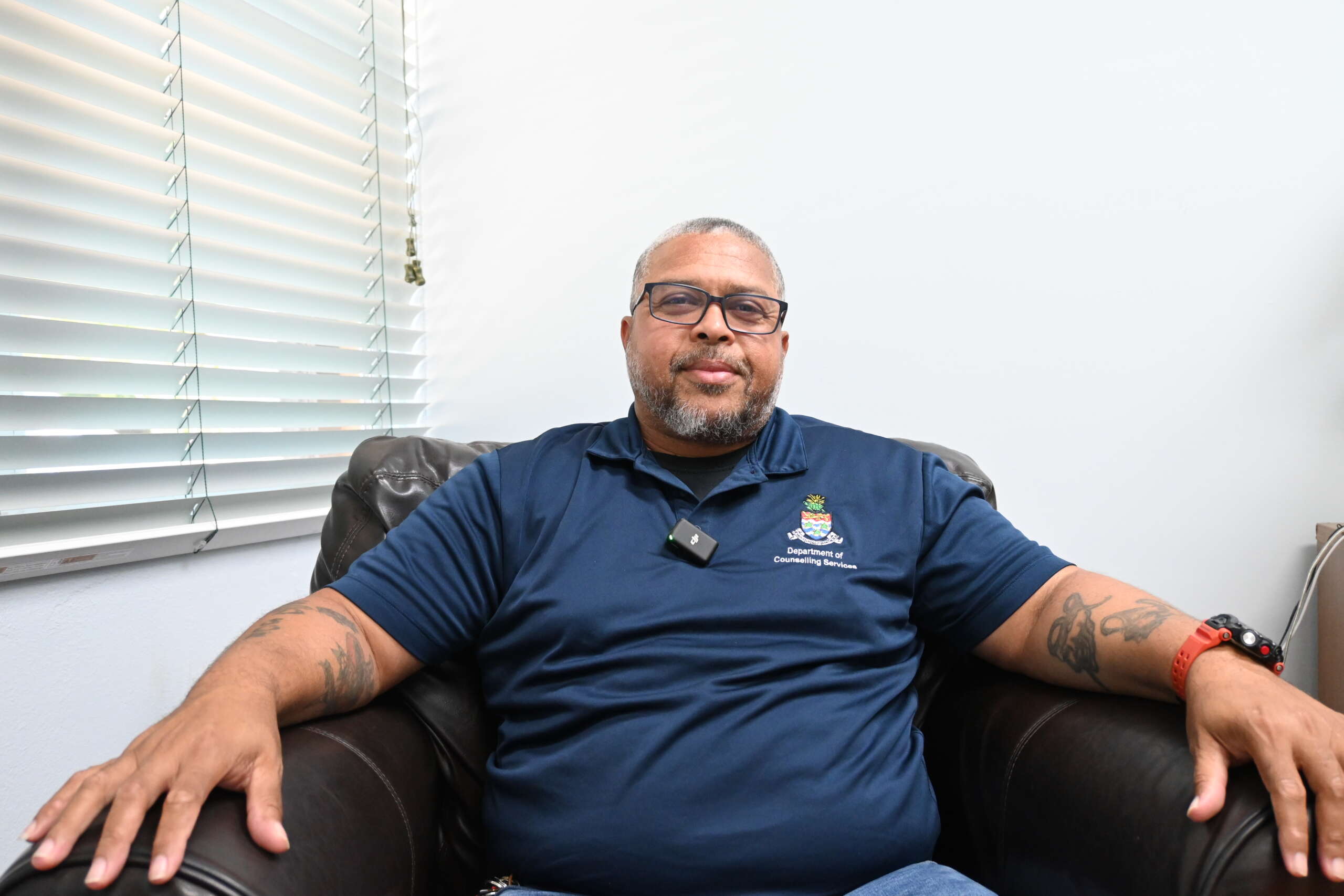
Ian Bodden knows the rollercoaster of addiction, having struggled with drug abuse and homelessness.
Bodden, now 10 years drug free, uses his experiences to help those like Miller walk the path of recovery with strength and confidence.
“Recovery is possible,” Bodden said, as he pointed to his own success fighting the demons of addiction.
Once a client at Caribbean Haven, Bodden now works at the centre as its residential programme technician, stationed there overnight to help people in recovery work through their challenges.
Bodden said addiction started at a young age for him.
“If I could put a finger on it now, it [was] basically trying to fit in with the wrong people, of course. I was trying to be one of the cool kids, and it started with cigarettes and alcohol. Then marijuana, and then the selling of cocaine. I went to prison for selling cocaine, but I hadn’t used it as yet,” Bodden said.
Eventually, he did become addicted to cocaine, he said, which took him on a path to homelessness and hopelessness.
He said he knew that was not the life he was meant to have.
“I found a reason. I woke up feeling like I’m not too old for recovery. I still have time in life left that I can make something and pick myself back up,” he said.
After entering treatment, he recalled that he thought, “I want to come back here and pay it forward.”
Today Bodden is one of the few certified peer-support specialists on island and is furthering his education in dialectical behaviour therapy, which is the treatment method used at Caribbean Haven.
He said he would like to study social science and then try to get a counselling licence.
Bodden’s message to those struggling with addiction is to “find that initial reason”.
By grabbing onto that initial desire to change, treatment and recovery can begin.
“Let us help you help yourself. Because nobody can do it for you.”
If you or someone you know is struggling with addiction, you can reach out for help at [email protected] or call Caribbean Haven at 947-9992. Services are free and are accessible on a 24/7 basis.
Related Videos









Drug addiction is a major problem but how many return to it after counselling?.