

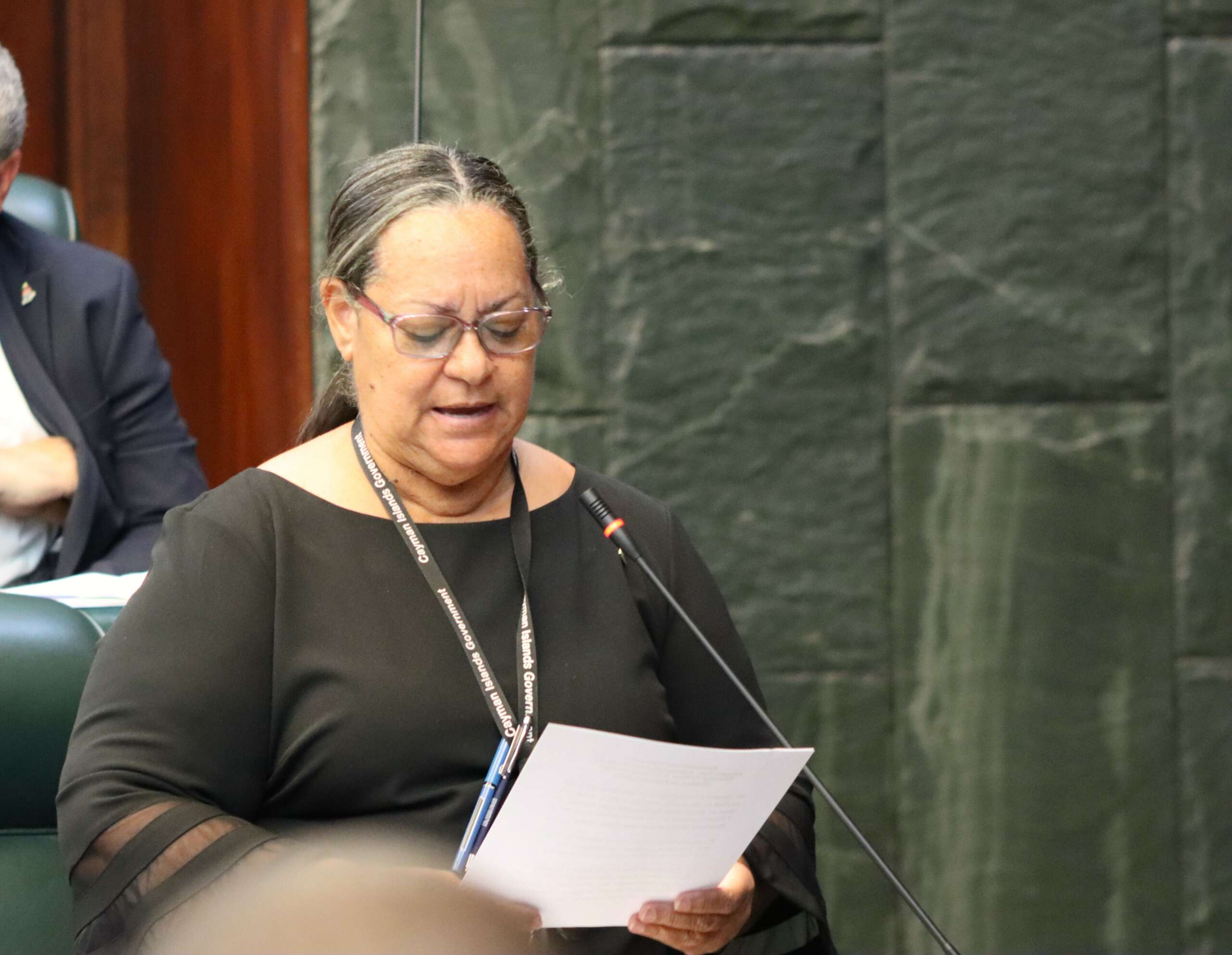
It has been another tumultuous week in Cayman politics, with the resignations of four MPs triggering a crisis for the ruling coalition, which no longer has a majority in Parliament.
Talks following the collapse of the administration focused on three possible options – a new coalition taking the government; a snap early election; or the United People’s Movement continuing on as a minority government.
By Tuesday, those choices had winnowed down to option 3, leaving Juliana O’ Connor-Connolly still standing, as Premier, until an April 30 election.
But what do these developments mean for Cayman’s immediate future? Today we look at some of the key questions and attempt to demystify the sometimes complex parliamentary processes involved.
What’s going on?
Four MPs, including the deputy premier, resigned from government last week, citing disagreements over policy and conduct in Cabinet.
That left the government with the support of only seven of the 19 MPs.
Because the opposition is now divided in at least three different directions (The Progressives, the four MPs who resigned, and two independents) no group now has majority support in Parliament.
Why is a majority important?
To pass any legislation, or even to call meetings of Parliament, government needs to command the support of a majority of members.
If the collected opposition MPs simply decided not to show up, the UPM would not be able to bring any of its bills or motions to Parliament. Majority support is needed to pass budgets, amend legislation, and bring reports and motions to the House.
So how can the UPM government continue?
The UPM is able to continue because both of the leaders of the two opposition groups, Progressives chief Joey Hew and former deputy premier André Ebanks agreed not to obstruct the government in any of the above points.
They won’t support contentious legislation, but in the interests of “stability”, both agreed not to block sessions of Parliament or necessary bills and amendments, for example, those that impact the budget.
That means the UPM will be able to continue as a minority government.
What is a minority government?
A minority government is a group or party that rules the country or territory, without having a majority of seats in the legislature. As is the case with the UPM, they typically command the most seats in Parliament.
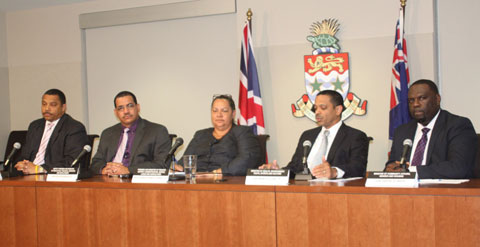
By its nature, this kind of government is unstable and can typically only function for a short time with the consent of those in opposition.
It would be possible for the UPM to make alliances on an issue-by-issue basis to pass legislation. But both opposition groups have suggested they will only support non-controversial bills and would like to see an election as soon as practical.
What impact will that have on legislation?
It is understood that government had planned to bring amendments to the National Conservation Act, which are now likely off the table.
Support is also needed from the wider legislature for referendums on cruise tourism, gambling and cannabis policy, which may now also be at risk.
Any last-minute efforts of this administration to leave a legislative legacy will be much more difficult in the current dynamic.
How can Cabinet continue to function?
Despite losing three of the eight Cabinet ministers, the executive was able to meet last week. Cayman’s constitution requires a quorum of at least five ministers to convene a meeting and make decisions.
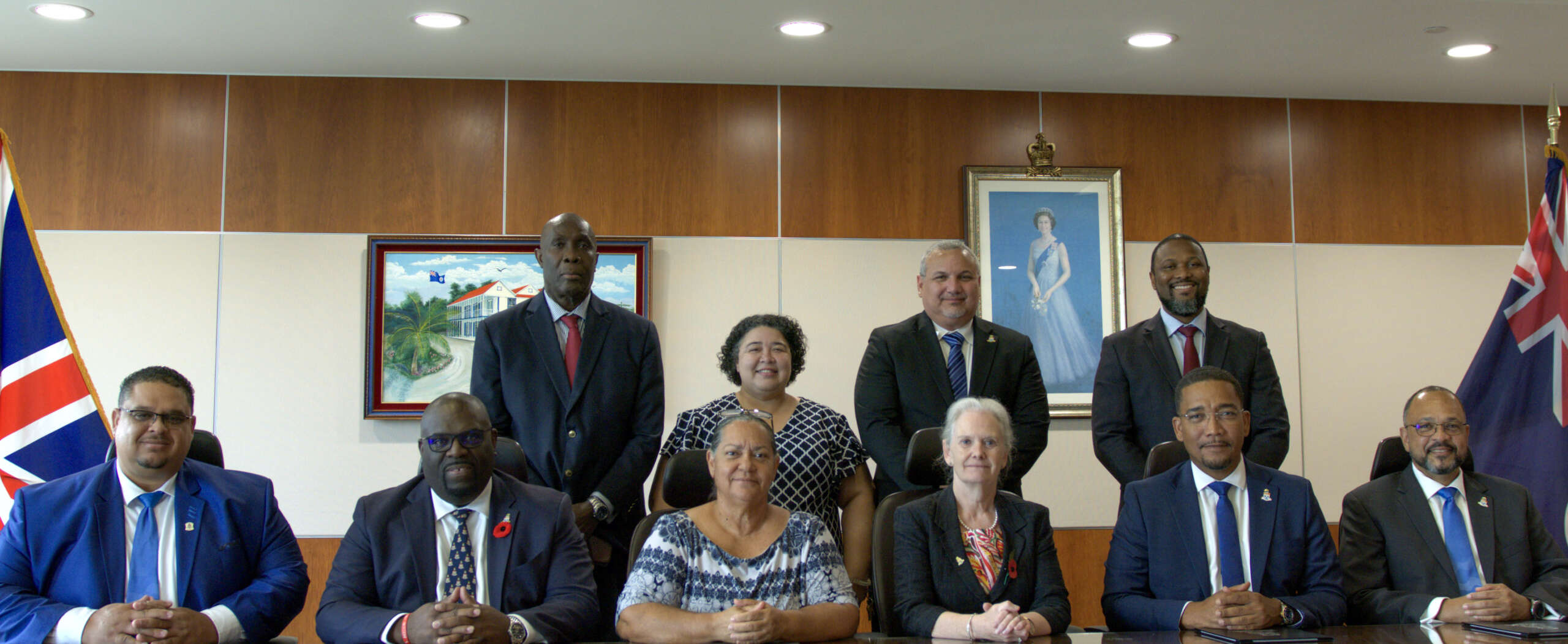
The premier announced a shuffle of portfolios Thursday, redistributing the responsibilities of the three resigning ministers among her five-person Cabinet.
The change-up means she now has a dizzying list of responsibilities – making her a virtual one-woman Cabinet for the next six months.
As well as the premiership, education, finance, district administration and lands, she now has the pivotal financial services ministry and the health ministry.
Tourism Minister Kenneth Bryan, who steps into the deputy premier role, and Labour Minister Dwayne Seymour also took on new responsibilities in the shake-up.
What can Cabinet do without going to Parliament?
While the UPM can’t pass legislation without the consent or cooperation of opposition groups, it still has control of Cabinet and therefore significant power over policy.
It already has an approved two-year budget that runs through to the end of 2025, and Parliament recently voted an additional $52 million in spending.
Provided the five Cabinet members remain united, they could make potentially controversial policy decisions without reference to Parliament – for example, to proceed with the Cayman Brac school.
In certain extreme circumstances, it is possible for Governor Jane Owen, who chairs Cabinet, to step in, with the backing of the UK government, to block decisions that risk the ‘good governance’ of the islands.
However, this is considered a nuclear option under the Constitution, and she will more likely face a difficult diplomatic balancing act in allowing the executive to function while seeking to control the extent to which the minority administration makes decisions that would tie the hands of the next government.
Why did the MPs resign?
Since stepping down, the four MPs have listed the National Conservation Act, a lack of transparency over the ReGen landfill deal, and the escalating cost of the Cayman Brac school among key points of contention with their former colleagues.
But they emphasised their primary concerns were around ‘conduct’, highlighting the treatment of women in Cabinet discussions and suggesting that free debate was being stifled on some important issues.
The group also listed concerns that they would have been bound by ‘collective responsibility’ to publicly support and vote for policies and legislation they did not believe in.
What is collective responsibility?
Within the UK Westminster parliamentary system – which Cayman follows – the convention of collective ministerial responsibility requires Cabinet ministers to present a united front.
A simple definition comes from the Institute for Government.
“Collective responsibility has two main components. First, the principle that ministers should be able to have free and frank discussions prior to coming to a collective decision, and that these discussions should remain confidential.
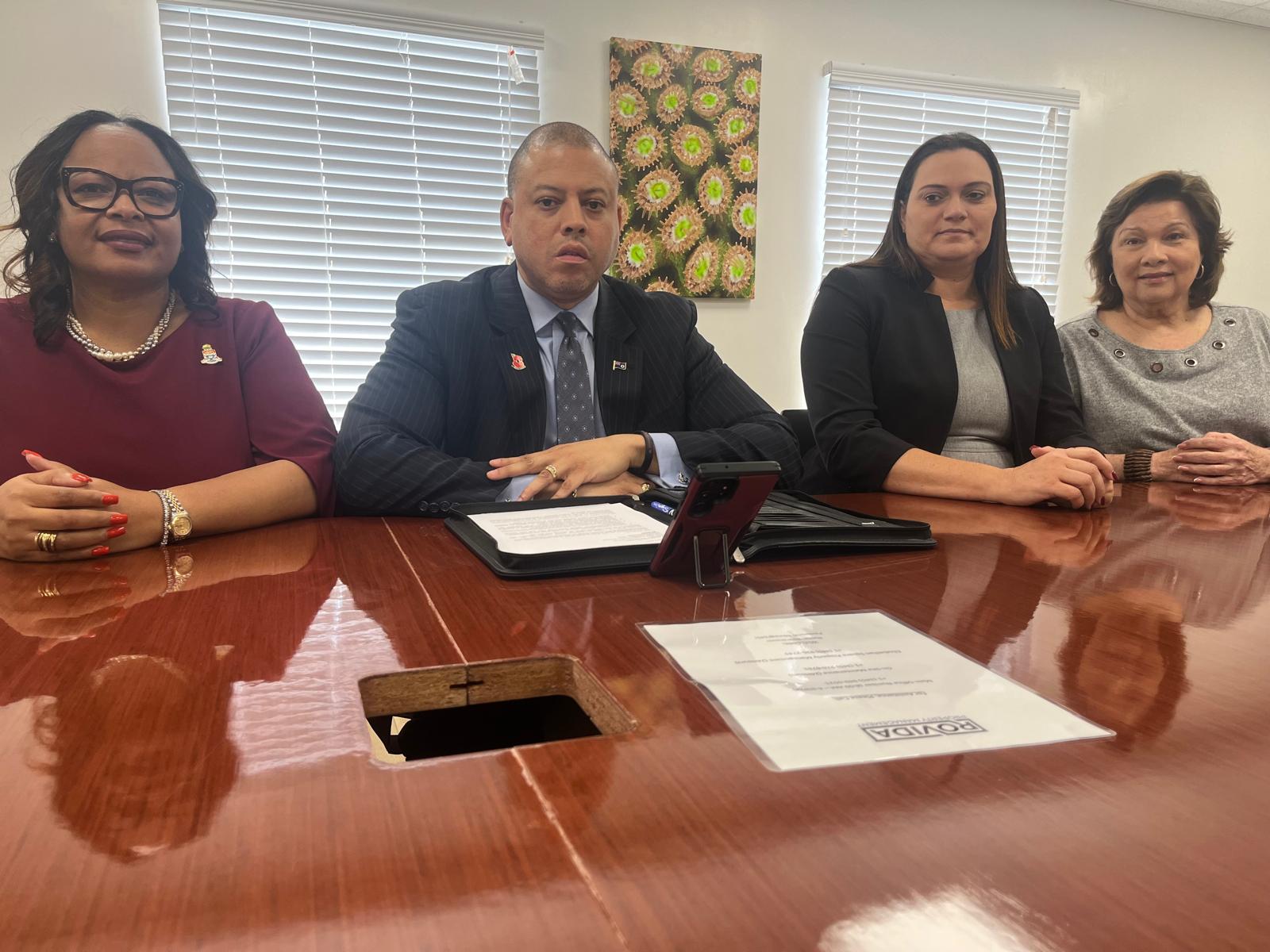
“Second, that once a position has been agreed in Cabinet, all ministers are expected to abide by that position and vote with the government, or else resign from office.”
The three Cabinet ministers who resigned – Ebanks, Katherine Ebanks-Wilks and Sabrina Turner (as well as parliamentary secretary Heather Bodden) indicated that there were too many important issues on which they differed from their colleagues, making their positions in Cabinet untenable.
What is the governor’s role?
The governor does not need to do anything to facilitate the continuation of the UPM administration as a minority government. That happens by default in the absence of any new coalition building or a vote of no confidence.
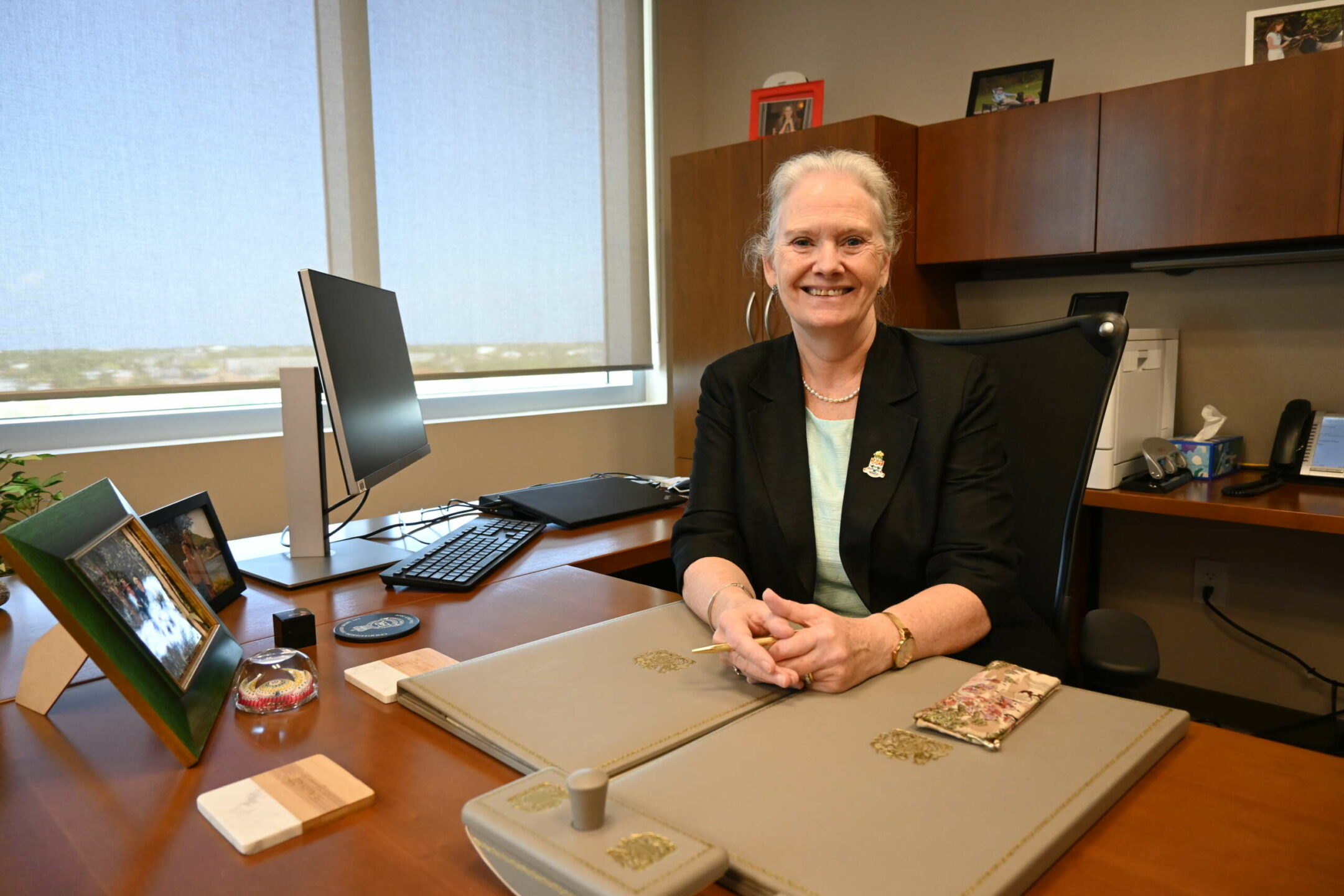
The governor’s primary role in the present scenario is to call the general election, which she did Thursday evening after consultation with the premier and leader of the opposition.
When will there be a general election?
The election has been set for 30 April, which is around the time it would have been expected anyway.
The Constitution states that the governor must dissolve Parliament no less than four years after the first meeting following the previous election.
It allows a buffer of two months for the national poll to be organised. That makes 23 June the latest date an election could legally be held.
The Compass understands that prior to last week’s resignations, the UPM was considering a June election. But that possibility now disappeared with both the Progressives and Ebanks’ group indicating that a minority government is untenable in the medium term and that a vote should be held as early as practical next year. The governor opted for a compromise date of 30 April after talks with the premier this week.
Why not just call an election now?
Cayman’s electoral roll is only updated four times a year. If a snap election were called today, for example, setting a January election date, only those that had registered before 1 Oct. would be eligible to vote.
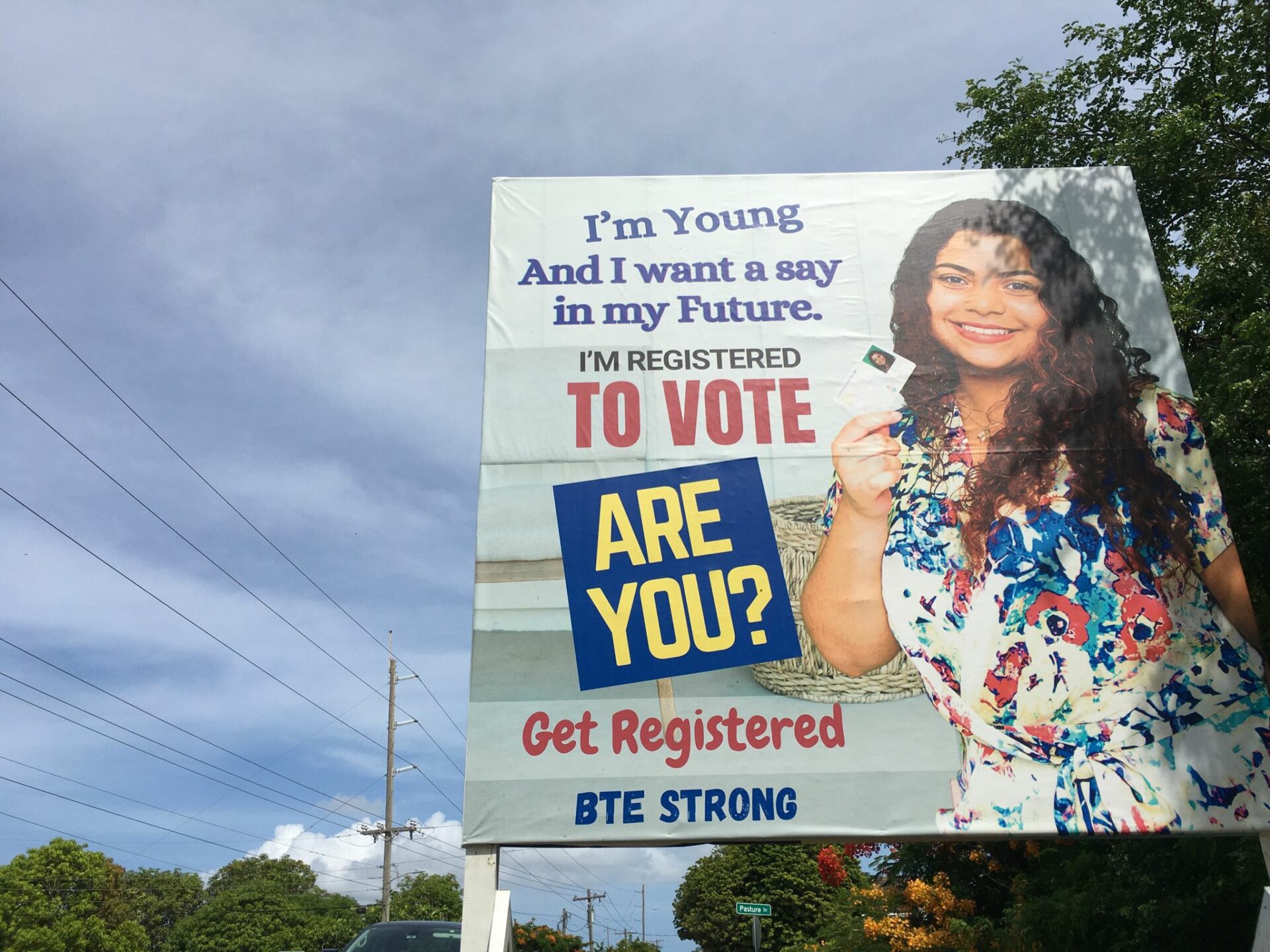
The Progressives, the governor and the four MPs who resigned are understood to have all expressed concern that new voters – including those that signed up in the last month with the expectation that they could vote – would be disenfranchised.
Governor Owen highlighted this as one of the reasons for setting a 30 April election date in a statement Thursday. The decision means anyone who registers by early January will be included on the electoral roll in time for the election.
So what does this mean for the general election?
It now seems likely that at least three, possibly as many as five, political parties, groups or teams will contest the next election.
The latest crisis will likely serve to fuel growing skepticism over the viability of independent MPs. We are already seeing signs of a swerve back towards parties or old-school ‘teams’ – which coalesce on agreed issues and leadership but lack the formal structure of a party.
A more cynical take on the near universal agreement over an April election date is that no one is quite ready.
Various groups are vying for candidates and trying to put teams together to contest the 19 constituencies.
André Ebanks indicated he, Bodden, Ebanks-Wilks and Turner would run together and look to partner with like-minded individuals. The Progressives are still in the candidate selection process for several seats. Other individuals outside of Parliament, including former EY partner Dan Scott, are known to be assembling slates of candidates.
The reality is that too early an election suits no one. The April compromise gives everyone time to get their teams in order, get their manifestos together and campaign in the new year.
Related Videos










A snap election would disenfranchise a few potential voters, but far more importantly would result in some of our elected officials losing their jobs, along with their over inflated salaries and expenses over the next few months, so this will never happen.