From tariffs to crypto and climate, the incoming Trump administration could bring fresh challenges and opportunities to Cayman’s shores.
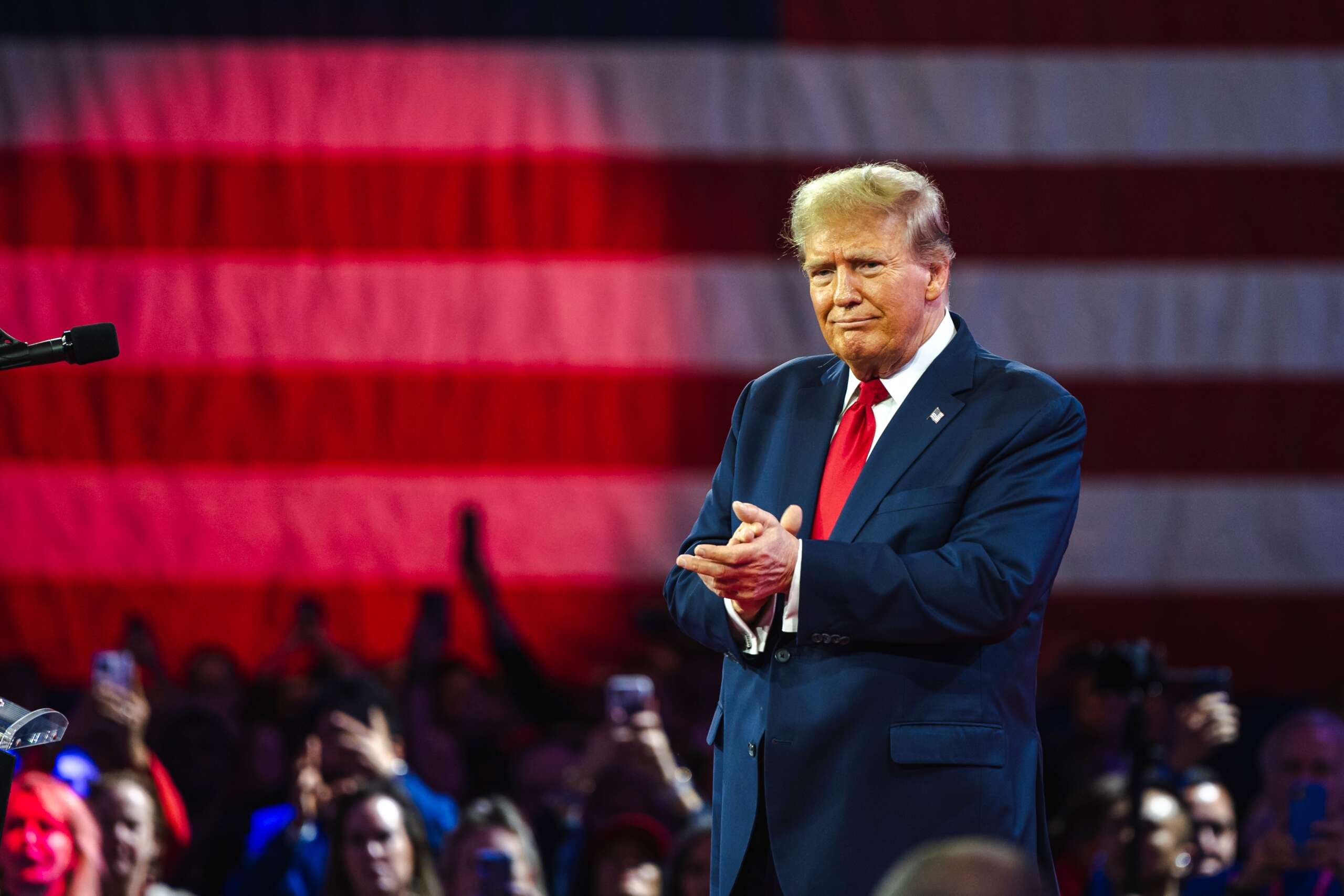
With the Republicans controlling both the House of Representatives and the Senate, and Republican appointees making up the majority of the Supreme Court, their ability to enact policies will be mostly unchecked. So what can we expect to see over the next four years, and how will this impact the Cayman Islands?
Two financial experts weigh up what could be on the horizon.
Regular Cayman Compass columnist Simon Cawdery, CFA, is an investment manager and governance professional

Financial sector deregulation – a positive for Cayman
It seems almost certain that Wall Street will face a far more relaxed Securities Exchange Commission (SEC) which will self-limit the scope of its activities, the argument being that regulators have assumed more power than is healthy, are unchecked and have hindered innovation and growth.
This will be positive for banks, hedge funds and other investment vehicles, as it will reduce the cost of compliance, increase the speed to market and reduce the pain threshold of regulatory compliance.
In theory, this should support the Cayman Islands’ offshore financial sector, since most US hedge funds use Cayman as their vehicle to attract international capital. Could the administration go so far as to change the tax system to eliminate the benefit of the offshore world? Unlikely. Although a reduction in corporation tax is mooted, this wouldn’t eliminate the disadvantages for international investors of using domestic US structures.

All in all, a likely net positive for Cayman and expect to see continued activity in the jurisdiction.
However, it will be interesting to observe the attitude of US players in respect of Cayman. With the US likely to experience more relaxed regulation, will the ever-increasing regulatory landscape in Cayman become a pain point?
Not the time for ESG
It is safe to say the new administration likely isn’t a fan of Environmental, Social and Governance (ESG) regulation, considering it bureaucratic, burdensome and in some cases illegal. Expect the US to halt any consideration of ESG in the investment process and ESG-related funds to see their ability to attract capital from state pension plans restricted, thereby limiting their scope. Also possible is a wholesale repeal and blocking of even permitting ESG considerations.
This might stress out the European Union, but the new US administration won’t care. Marketing a jurisdiction as ESG-friendly and ESG-focused won’t win any friends in the US.

There was talk a few months back in Cayman of potential legislation in this area. However, given the US election results, the next few years is most definitely not the time for Cayman, the financial services sector or the Cayman Islands Monetary Authority to contemplate mandatory ESG obligations for any investment vehicle.
That should be canned until the current mood changes, otherwise Cayman potentially faces backlash from politicians who are genuinely angry about it, and who will be in power and able to do something about it.
Tariffs could lead to higher prices
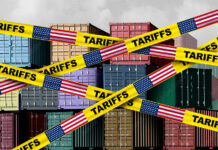
If they happen – and the incoming administration faces some obstacles, given they are signed up to global free trade agreements – tariffs will lead to higher prices in the US. It will take years for the US to be able to replace the products imported from overseas (China, Canada, Mexico, Europe etc) and in the meantime everything imported will cost at least 20% more. Added to which, it’s almost certainly the case that other countries will retaliate (as they are entirely permitted to do under the World Trade Organization rules). This will result in other countries imposing tariffs in kind; thereby, in effect, raising prices globally.
Cayman imports close to 100% of its consumption goods from the US, so expect prices to rise. Some, such as food prices, may not change much since Cayman food imports are generally domestically US produced, but retail goods in the US are very likely to get more expensive (all other things being equal) and, as a consequence, so will things in Cayman over the coming couple of years.
Crypto could be on the rise
This is partially linked to deregulation. Crypto, almost at heart, wants to be free to do its thing unconstrained by historical rules and protocols. It seems like the new US administration is happy for it to be let loose.
What that means is a bit unclear, but what’s certain is that there will be many more players setting up crypto-related businesses. Cayman will undoubtedly, therefore, see a rise in activities utilising its infrastructure (the Virtual Asset Service Provider (VASP) regime for instance). That will generate ancillary business in Cayman for sure, particularly on the financial services side.
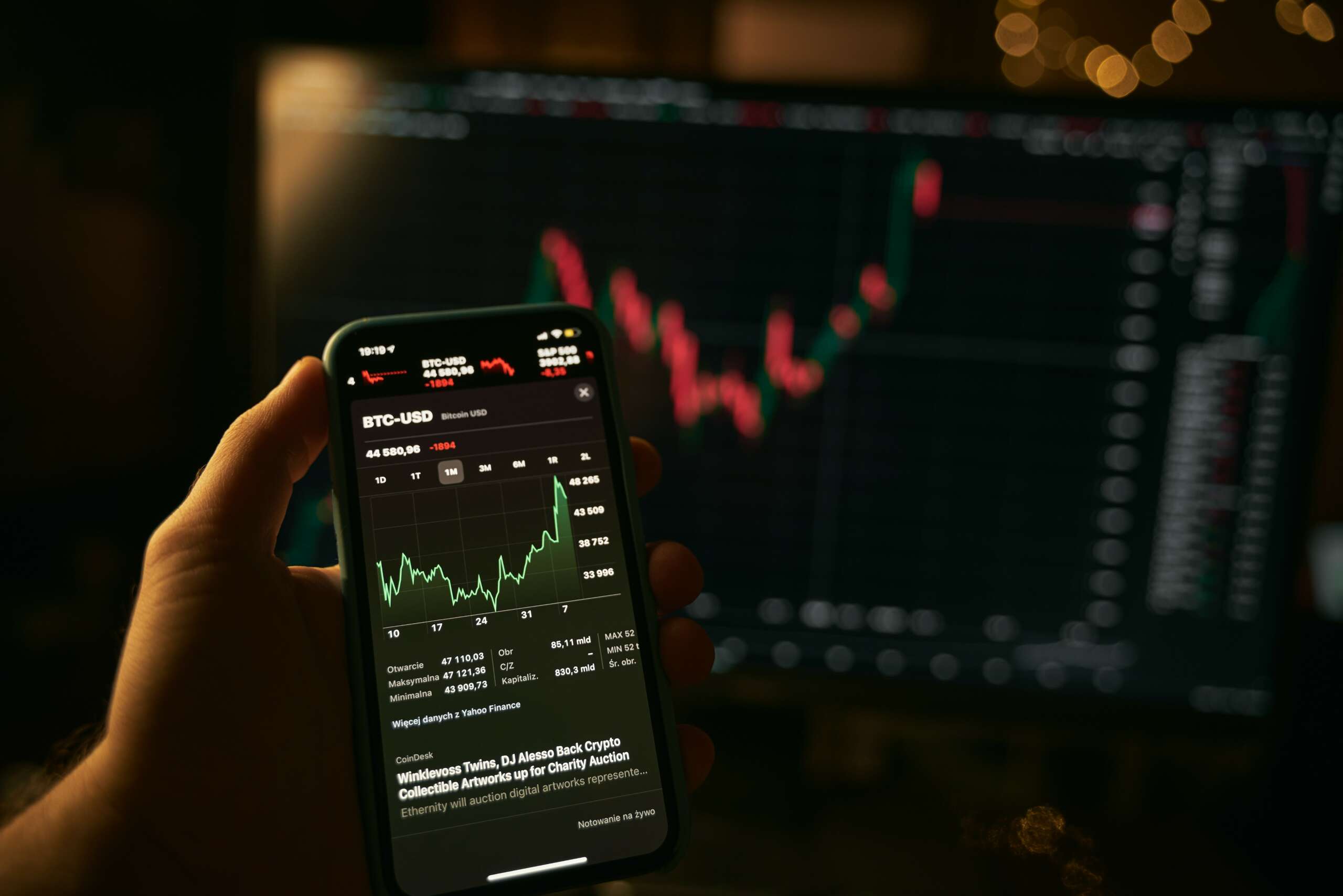
On the other hand, think about some of those people who relocated to Cayman to establish their crypto business. They likely exited the US due to the regulatory environment in place. With that changed, might they move back? Might some businesses in Enterprise City or Tech Cayman now consider the grass is greener on the domestic US side? If the regulatory landscape moves from “hostile” to “welcoming” possibly that will lure back some who left.
Thus, changes in attitude here could be a two-edged sword. What’s also likely is that under any deregulation environment, both good and bad actors will proliferate. Cayman will need to be extra-vigilant against bad actors in this space (and in finance more generally) as it won’t be able to rely on quite such rigorous policing by the SEC any longer.
Climate Change
It seems highly likely that progress on global climate mitigation measures will be considered less urgent or even halted entirely. The new administration has clearly said it won’t sign any agreement that will put US persons out of jobs, so restricting fossil fuel burning or energy efficiency measures will not be a priority.
For those who link climate change to rising sea levels, and worry for the implications for Cayman, expect a delay in the speed with which the global community tackles the problem. Other countries and regions will continue (notably the EU), but without the US, China and India agreeing, meaningful change is undoubtedly postponed.
Does that cause an existential crisis for Cayman? I will let you make up your own mind on that one.
James Balfour, CFA (Senior Portfolio Manager) LOM Financial watches how markets react to the Trump triumph

It will take some time for the dust to settle on initial market reactions, which saw banking stocks perform strongly, green energy companies take a hammering and technology seeing mixed results, but there are now important considerations for what the markets will do moving into 2025.
Economic policy is the critical segment that has the ability to shape the performance of the markets in 2025. President Trump will look to set in stone his tax policies, cementing the tax cuts for citizens. The economic benefit of this will be more muted than before, as this is just retaining the tax position rather than putting more cash into the economy.
The impact of tariffs
The more critical market factor will be the imposition of tariffs and the response that these generate. Consumers are known to pay the ultimate price, but there can be benefits from increased domestic production. Washing machines had tariffs imposed in 2018, and not only did prices of imported machines increase, but the domestic producers moved prices as well. Despite no tariffs imposed on tumble dryers, their prices inflated to match; consumers normally buy these items in pairs.
Jobs in the US were created as production was shifted domestically, however the economic impact of these didn’t outweigh the inflated costs to consumers. If President Trump does enact tariffs, then the US domestic economy will benefit in the medium term, but the initial impact will likely be inflation and the scale of that will depend on what corporates pass on.
Doubts cast on multiple interest rate cuts
Federal Reserve Chairman Jerome Powell now has a conundrum.
Short-term market data still indicates the need to cut interest rates, but the previous expectation of over ten cuts through to 2026 has evaporated. With President Trump’s intended policies adding to the national debt, stimulating domestic investment and likely creating inflation, the Fed will be minded to pare back the need for multiple rate cuts.
The fallout has already been the 10-year interest rate increasing 50 basis points in the last month, and if debt continues to increase unchecked then investors will require greater return for the inherent increased risk.
The impact is that mortgage rates will remain higher and this will directly impact consumers, something that, if inflation also bites, could soften the benefit of President Trump’s policies on economic growth.
For investors, there are now higher interest rates for longer than expected in fixed income markets, but with the tax cuts promised there could be a tightening of spreads as large corporates have more attractive debt profiles than the US government.
All these potential policy changes will create opportunities as markets tend to overreact to the rumor and then slowly establish the true economic impact. There are over two months before President Trump is inaugurated back into the White House but the implications of his second term have already flushed responses out the market that could set the stage for the next four years.
Related Videos