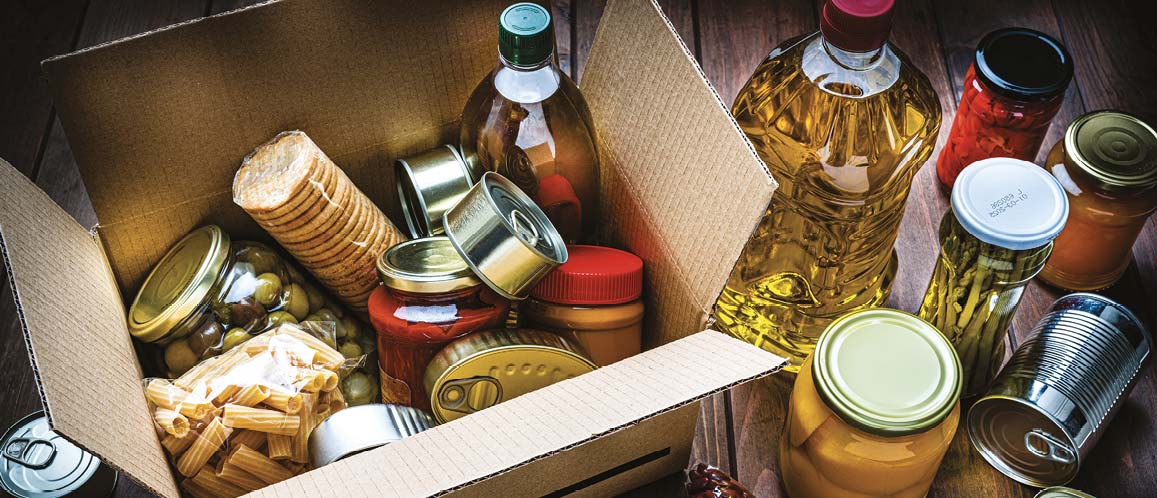
The effects of storms and other natural disasters can compromise food safety. To minimise the risk of becoming sick from the food you consume, it is essential to follow food safety guidelines.
Here are tips to follow:
FOOD STORAGE TIPS BEFORE A STORM
• Put appliance thermometers in your fridge and freezer. Ensure that the freezer is at 32 F, or below, and the refrigerator is at, or below, 0 F.
• Keep the freezer full to ensure the cool temperature lasts as long as possible, should the power go out. A good way of doing this is to cook all your meat and freeze it. This keeps the freezer cool, saves cooking later and lengthens the usability of the meats.
• Keep fridges/freezers closed as much as possible to maintain the cool temperature, if the power goes out.
• Raise fridges/freezers with cement blocks if flooding is likely.
• Move all hurricane supplies above the ground to escape any possible flood water.
FOOD SAFETY AFTER A STORM
• Don’t eat food that has come into contact with floodwater as it may carry silt, raw sewage, oil or chemical waste. This includes food from containers with screw caps, snap-lids, soda bottles or twist-caps as these are difficult to disinfect.
• Throw away food that has unusual colours, odours or textures, and cans/ jars that are broken or leaking.
• Throw away canned foods that are bulging or damaged.
• Use bottled water for all cooking and cleaning, or boil water to purify it.
• Avoid having garbage accumulate inside.
RULES OF THUMB
The following partially defrosted foods may be safe to eat/refreeze if they still contain ice crystals or have been kept below 40 F: beef, veal, lamb, pork, ground meat, casseroles, soups and stews, hard cheeses, juices, flour, packaged waffles and pancakes, frozen meals/convenience foods.
If dairy items, poultry, meat, seafood, fresh pasta, fresh greens, eggs, soy meat substitutes, and leftovers have been held at 40 F, or higher, for more than two hours, discard them.
If opened mayonnaise, tartar sauce, horseradish, commercial garlic in oil or other spreads (or any salads made with those items) have been held at 50 F, or above, for more than eight hours, throw them out, too.
The following items are safe (if they had been opened/refrigerated): peanut butter, jelly, mustard, ketchup, olives, pickles, Worcestershire sauce, barbecue sauce, hoisin sauce, fish sauce, soy sauce, vinegar-based dressings, fruit, raw vegetables and hard cheeses (including grated).
Never taste food to determine its safety, and do not rely on odour or appearance. The United States Department of Agriculture website – usda.gov – provides a thorough rundown on how to keep food safe in an emergency, including a chart of what food items in your fridge and freezer to save or discard after a power outage.
Related Videos