

Topic: emergency guide
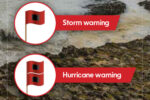
Guide to storm alerts
An overview of hurricane classifications and terminology.

Slightly below-average hurricane season forecast
Developing El Niño expected to influence 2026 storm activity.
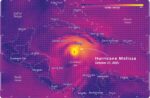
Atlantic storm names for 2026
Melissa retired from list of hurricane names.

The Saffir-Simpson hurricane wind scale
The Saffir-Simpson Hurricane Wind Scale is a rating system that classifies hurricanes based on their maximum sustained wind speed, and rates their strength from...
Hurricane preparedness checklist
1. Create a household emergency plan
Develop a clear emergency plan for your household. Consider the needs of older adults, children, pets, and anyone with...

Escaping a fire
Having regular fire drills and knowing what to do if a blaze breaks out is vital to save lives.
Practise these procedures to be prepared:
•...
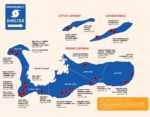
Public shelters
A vital part of every family or individual’s disaster plan, is where to shelter should a hurricane hit.
If your home is hurricane-proof and in...
Medical kits and procedures
Being prepared can make a real difference when it comes to responding to an emergency.
Ensuring homes and workplaces are equipped with essential medical tools...

Food safety tips
Hurricanes and other disasters often mean prolonged power outages and flooding – two of the biggest risks to food safety.
Preparing early and knowing how...
Travel documents
Before a storm approaches or any other emergency, it’s important to make sure all essential travel documents are up-to-date, secure and easy to access.
Cayman’s...
Download the PulsePoint AED app
In a cardiac emergency, every second counts. Quick access to an automated external defibrillator (AED) can make a life-saving difference, especially in the critical...

Download the emergency alert app
Hazard Management Cayman Islands has a mobile app to deliver real-time emergency notifications about major incidents to keep the community safe in a hurricane...
Emergency organisations and programmes
Cayman Hyperbaric Services
The Cayman Islands has a hyperbaric chamber, or recompression chamber, located at the Anthony S. Eden Hospital. The chamber is used to...

Plan for pets
Planning ahead is the key to keeping your furry family members safe should a hurricane or disaster strike.
Without proper preparation, pets are at high...

Hospital services
DOCTORS HOSPITAL
Utilising the most advanced diagnostics and treatments for the full spectrum of medical conditions, Doctors Hospital services range from primary and preventative care...
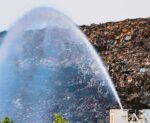
Public health advisory – landfill smoke exposure
Immediate public health guidance in the event of a landfill fire.

Tsunami: Surviving the surge
Remember these steps to save lives if this natural disaster should occur.
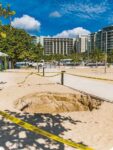
Earthquakes: What to do when the shaking starts
Knowing what to do if an earthquake occurs can prevent injury and save lives.
Marine emergencies – what to do
In the event of a marine emergency, the first priority is life safety.
Prioritise life safety first:
Immediately ensure that every person on board secures and...

Cayman’s hyperbaric chamber
The chamber is primarily used to treat diving-related injuries, especially decompression sickness – commonly referred to as ‘the bends’.
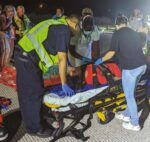
Emergency training
Training for emergencies helps the Cayman Islands be ready for life-threatening and disaster situations.
Being prepared is essential for public bodies as well as private...
Mental health support
While mental health is important at all times, during periods of stress or crisis it is vital to seek help if you or a...

Blood bank urges more donors
As Cayman’s population grows, so does the need for a stable, reliable blood supply.
Judith Clarke, laboratory manager at the Cayman Islands Blood Bank and HSA...

Mosquito-borne viruses
It is important to know the threats from mosquito-borne viruses and how to prevent being bitten and infected.
There has been a recent outbreak of...

Protect your children from serious disease
Supplied by the Ministry of Health, Environment and Sustainability.
Immunisation is the process whereby a person is made immune or resistant to an infectious disease,...

Cayman Islands emergency organisations and programmes
CAYMAN HYPERBARIC SERVICES
The Cayman Islands has a hyperbaric chamber, or recompression chamber, located at the Anthony S. Eden Hospital (formerly George Town Hospital).
The chamber...

Hospital services
HEALTH SERVICES AUTHORITY (HSA)
The HSA operates the Anthony S. Eden Hospital (formerly George Town Hospital) on Grand Cayman and Faith Hospital on Cayman Brac.
HSA...
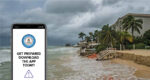
Download the emergency alert app
To keep the community safe in a disaster, Hazard Management Cayman Islands has a mobile app to deliver real-time emergency notifications about major incidents.
Residents...
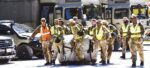
Emergency training
CIAA EMERGENCY EXERCISE
To comply with international standards, the Cayman Islands Airports Authority stages a full-scale emergency exercise at both Owen Roberts International Airport and...
Mental health matters
SIGNS THAT YOU MIGHT NEED HELP
• Feelings of anxiety and sadness
• Hopelessness
• Difficulty sleeping
• Changes in appetite
• Difficulty making decisions or staying focused
• Fatigue,...

Plan for pets
To prepare your pets for a hurricane or disaster, create a pet emergency kit with food, water, medications and sanitation supplies, and have a...
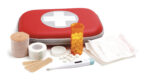
Medical kits and procedures
Being prepared can make a real difference when it comes to dealing with emergency situations.
Ensuring homes and workplaces have the necessary equipment can drastically...

First aid kit
Always be prepared for emergencies by having a well-stocked first aid kit at home or in the workplace. It can prove essential, or even...
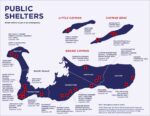
Public shelters
A vital part of every family or individual’s disaster plan, is where to shelter should a hurricane hit.
If your home is hurricane-proof and in...

Mosquito-borne viruses
Some mosquito-borne viruses which occur in areas of the tropics are a threat in the Cayman Islands.
In recent years there have been outbreaks of...

Food safety guidelines
The effects of storms and other natural disasters can compromise food safety. To minimise the risk of becoming sick from the food you consume,...

The Cayman Islands tsunami risk
In September 2023, the US National Oceanographic and Atmospheric Administration (NOAA) assessed the Cayman Islands’ risk for a tsunami, using 36 potential earthquake scenarios...

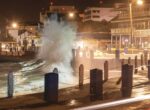
Safety in a tsunami
A tsunami is a large wave, or series of waves, generated by major earthquakes beneath the ocean floor, or major landslides into the sea.
When...
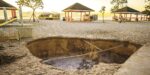
Cayman’s location and earthquake risk
The Cayman Islands is located on the Cayman Ridge, on the southern border of the North American tectonic plate, with the Caribbean plate to...

Surviving an earthquake
Preparing for, and knowing what to do during and after an earthquake, can prevent injury and save lives.
BEFORE
• Secure items such as pictures, televisions...

Fire prevention tips
FIRE SAFETY
SMOKE ALARM SAFETY
The best way to protect your home and family is to install smoke alarms on every level of your home, inside...

Escaping a fire
Having regular fire drills and knowing what to do if a blaze breaks out is vital to save lives.
Practise these procedures to be prepared:
•...

The Saffir-Simpson Hurricane Wind Scale
The Saffir-Simpson Hurricane Wind Scale is a rating system that classifies hurricanes based on their maximum sustained wind speed, and rates their strength from...

2025 Atlantic storm names
The World Meteorological Organization is responsible for naming Atlantic storms and hurricanes, using a rotating list of names that are recycled every six years.

Above-average hurricane season is forecast
Colorado State University has predicted a higher-than-average hurricane season for 2025.
Guide to storm alerts
An overview of hurricane classifications and terminology.

Travel documents
Before a storm approaches, or any other potential emergency, make certain all essential documents are in order.
Check over all your paperwork to ensure documentation...

Consuls to contact
The Cayman Islands has honorary consuls who can act on behalf of their citizens on-island.

Make an emergency plan
Keep your family and home safe by having an emergency plan in place.

Keeping your mental health in check
Experiencing an emergency – such as the ongoing pandemic or the massive George Town landfill fire in March of 2021 – can trigger a variety of emotional reactions, all of which can be common responses to difficult situations.
COVID Precautions
While restrictions have been relaxed since the start of the coronavirus pandemic in March 2020, the Cayman Islands remains vigilant in the fight against COVID-19 and its variants.
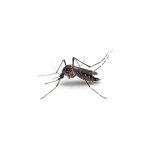
Mind the mosquitoes
In Cayman, mosquitoes are not only annoying pests, but some species carry serious viral illness.

Prepare your pets
Planning ahead is the key to keeping your pets safe if disaster strikes.
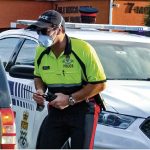
Policing during an emergency
During a storm, natural disaster or a public health crisis, the police are charged with enforcement of the laws of the Cayman Islands and maintaining public safety.

What to do in a tsunami
The Cayman Islands could be hit by a tsunami so you must be prepared should a warning be issued.

Can I eat it?
Food safety is paramount during an emergency, whether that means power outages, localised flooding or a public health emergency that keeps you stuck indoors.
Sanitise it
One of the most important things to prepare in the event of a hurricane – or another emergency – is the ability to keep everything you use clean and sanitary.
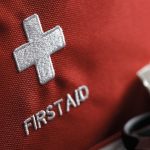
First aid kit
A well-stocked first aid kit can help you respond effectively to common injuries and emergencies.
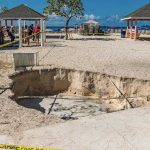
Be prepared for an earthquake
You never know when an earthquake might strike, as the people of the Cayman Islands discovered last year.

Message from Danielle Coleman, Director, Hazard Management Cayman Islands
The 2020 hurricane season goes into the history books as the most active season on record, and the costliest.

CERT teams help in crises
Join your Community Emergency Response Team to assist in an emergency.
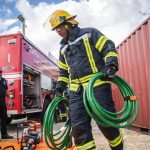
Fire prevention and safety
Many home fires are preventable. A little bit of planning can go a long way to protect your loved ones and your property.

Batten down the hatches
There are several steps residents can take to give their home and belongings a fighting chance against a storm.

The National Hurricane Emergency Plan
Cayman’s National Tropical Storm and Hurricane Plan is what is termed a ‘hazard specific’ plan and it sits under the main National Hazard Management Plan.

Hurricane season forecast – Cayman’s outlook for 2021
As we start to look at the upcoming hurricane season it is critical to take a look back at the past season.
First Aid Kit
A well-stocked first aid kit can help you respond effectively to common injuries and emergencies.
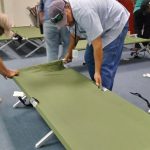
Emergency Shelters: Know where to go
If your home is hurricane-proof and is in a safe location, it is the best place to ride out a storm.

Sort out travel documents
Cayman Islands residents should ensure that their official documents are up to date and secure for the hurricane season, and other potential emergencies.
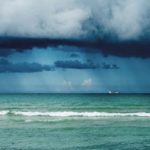
Atlantic storm names for 2021
After the most active hurricane season on record in 2020, there will be some changes to how storms are named.
COVID-19 Shelter Protocols
While the Cayman Islands is more relaxed now with social distancing, public gatherings and other COVID-19 protocols, public shelters are still exercising caution.
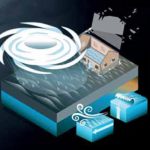
The Saffir-Simpson Hurricane Wind Scale
The Saffir-Simpson Hurricane Wind Scale is a 1 to 5 rating based on a hurricane's sustained wind speed.






