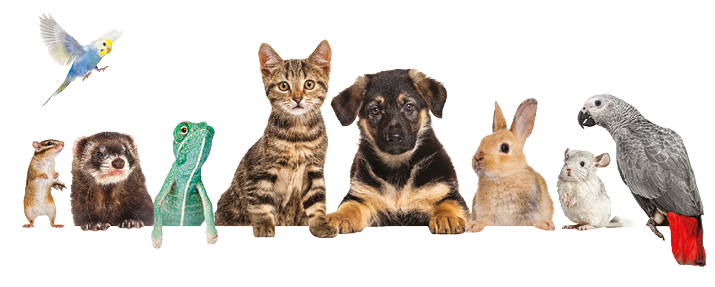
To prepare your pets for a hurricane or disaster, create a pet emergency kit with food, water, medications and sanitation supplies, and have a plan for evacuation or sheltering-in-place, including a safe space for your pets.
In Cayman, there are two pet-friendly shelters: one at John Gray High School and the other at Clifton Hunter High School. Pets, like people, are allocated space on a first-come, first-served basis. They are not allowed to roam free.
Space is limited, however, so it’s best to arrange a safe place for your pets to stay in the event of an emergency. Follow these tips before, during and after a hurricane or emergency.
BEFORE
Plan for any type of emergency before it occurs. Do not wait for a hurricane warning or other emergency announcement to make arrangements for your pet.
Identify a safe and secure place to take your pet in the event of an evacuation. Find out if your workplace has a hurricane shelter and whether pets are permitted. Look for pet-friendly hotels or ask relatives or friends if they can house you and your pet.
Make a list of boarding facilities and veterinarian practices which could shelter animals in an emergency; include 24-hour phone numbers. Assemble a pet supply kit.
Never leave pets to fend for themselves. If it isn’t safe for you, it isn’t safe for them. You have no way of knowing how long you’ll be kept out of the area, and you may not be able – or allowed – to go back for your pets. Animals left behind in a disaster can easily be injured, lost or killed.
DURING
If you are weathering a storm at home, identify a safe area to shelter. Keep dogs and cats separate, on leashes and in carriers. Even if they usually get along, an emergency can cause pets to act out of character.
If you decide to leave the island before the storm, the best thing to do is to evacuate your pets with you. Call the Department of Agriculture well in advance to find out the requirements for taking your animal out of the country and for bringing it back in. Also, be sure to find out the requirements of the country to which you want to take the pet.
If you plan to evacuate your pet to Europe it must have a microchip and have had a rabies vaccine at least three weeks before travel. The US and Canada don’t require this, however, if you want to bring your pet back into the Cayman Islands, they will need to have a microchip, rabies vaccination and a rabies titer blood test before they will be allowed to return.
And if you have a pitbull, even if it was born in Cayman, it will not be allowed back on-island if it leaves for any reason, as it is a banned breed here.
AFTER
Keep pets on leashes when venturing outside after a storm. Downed power lines, contaminated water and decaying matter all pose potential dangers. Familiar landmarks such as fences may have been destroyed which can be disorientating, especially for dogs.
ASSEMBLE A PET EMERGENCY KIT
• Proper ID collar and up-to-date photograph, including your cell phone number on the ID tag.
• Food and water supplies to last for five days.
• Leash/safety harness.
• Carrier or cage in which pets can turn around inside.
• Newspapers, cat litter, scoop and plastic trash bags for handling waste.
• Manual can opener.
• Food dishes and a few toys and blankets to keep your pet comfortable.
• Medication and first aid supplies:
- Enough Heartgard and Nexgard, or Nexgard Spectra, for a few months ahead in case of supply shortages. Revolution is advisable for cats. If electricity/ AC goes out, there is more danger of heartworm from mosquitoes.
- Benadryl for dogs, either normal tablets (25 mg) or paediatric for small dogs, in case of an allergic reaction to an insect bite or environmental allergies.
- Surgical scrub from the pharmacy or another antiseptic solution plus a cream type (Neosporin, Fucidin) for little cuts or wound care.
- Any other specific vet prescriptions that the pet is on, such as heart medication or seizure medication.
• Up-to-date copy of vaccination and medical records, as well as contact information for your veterinarian.
Related Videos