Being prepared can make a real difference when it comes to dealing with emergency situations.
Ensuring homes and workplaces have the necessary equipment can drastically improve the outcome of a health-related crisis.
A first aid kit and an automated external defibrillator (AED) are two of the most common and important items to have on hand.
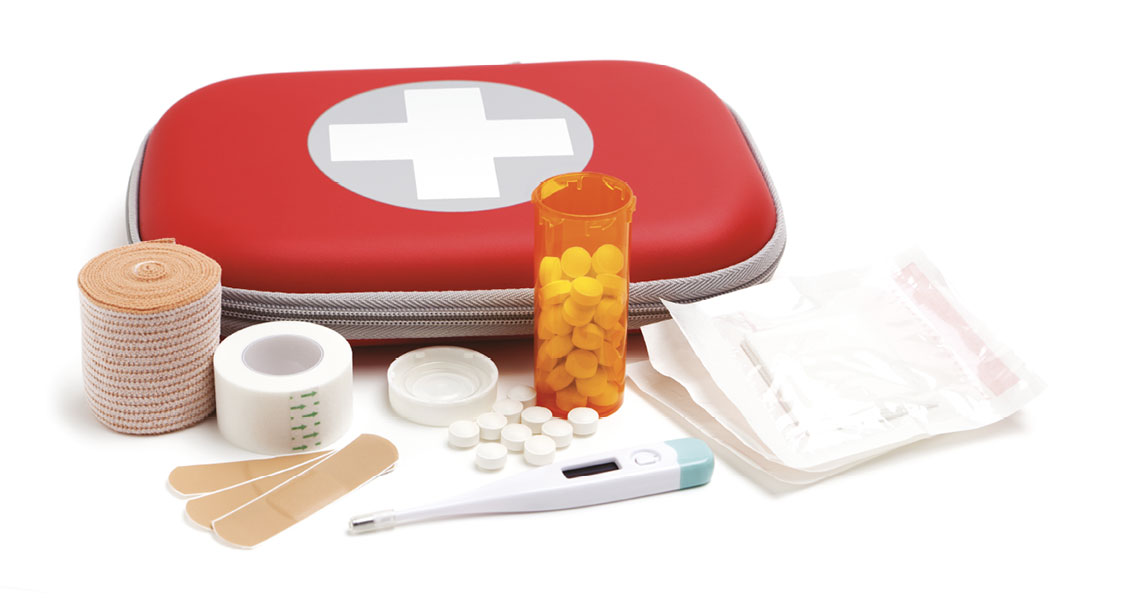
FIRST AID KIT
First aid kits can either be assembled by individuals or purchased from organisations such as the Cayman Islands Red Cross.
AEDS
An AED, or automated external defibrillator, is a portable electronic medical device that is used to treat sudden cardiac arrest. AEDs are designed to be used by non-medical personnel such as bystanders, teachers, firefighters and police officers.
The Cayman Heart Foundation has donated AEDs and CPR kits to government schools across the island, public access facilities such as the Cayman Islands Boxing Gym and the Seafarer’s Association, as well as to the Royal Cayman Islands Police Service (RCIPS), which can be used by front line officers if emergencies arise. These life-saving devices are in police stations across all three islands as well as at the police detention centre, on board the RCIPS helicopters and Coast Guard vessels, and in certain police vehicles. For more information, contact the Cayman Heart Foundation on 916-6324 or visit caymanheartfoundation.ky.
EMERGENCY PROCEDURES
Companies should ensure they have at least one member of staff trained in CPR and another in first aid, as well as members of staff trained in AED use if a device is on-site.
Visit caymanheartfoundation.ky to review a list of CPR providers in the Cayman Islands. Companies should keep up-to-date databases of staff medical conditions and next-of-kin, as well as ensure evacuation routes and meeting spots are established.
For those with medical conditions, a medic alert pack, developed and distributed by Hazard Management Cayman Islands, can make a difference in an emergency. The pack provides first responders with quick and ready access to information about medical history, medications and allergies.
Simply fill out the two-sided information sheet and insert it into the fridge alert envelope which sticks to your fridge door. Attach a fridge alert sticker to a front window in your home so that paramedics know that potentially life-saving information will be readily available on the fridge.
Related Videos