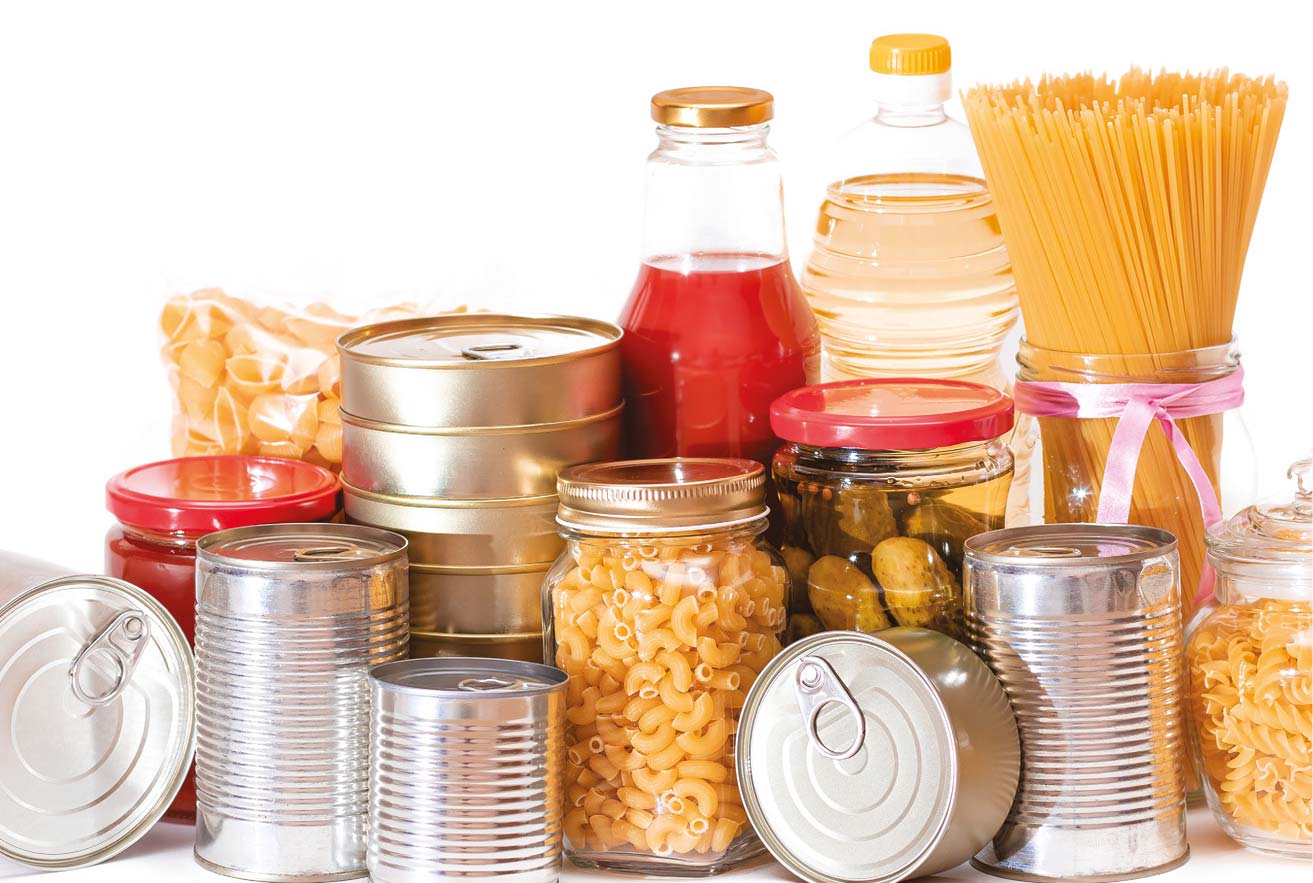
Hurricanes and other disasters often mean prolonged power outages and flooding – two of the biggest risks to food safety.
Preparing early and knowing how to handle food before, during, and after a disaster can significantly reduce the risk of foodborne illness.
Keep these food safety tips in mind:
Food storage
- Ensure your refrigerator is set at 40°F or below and your freezer at 0°F, or below. Use appliance thermometers to monitor temperatures.
- Keep the freezer as full as possible so it stays cold longer during a power outage.
- Avoid opening the refrigerator or freezer unless absolutely necessary. An unopened fridge keeps food cold for about four hours; a full freezer keeps food frozen for up to 48 hours (24 hours if half full).
- Make space in the freezer for ice trays or frozen water bottles, which help maintain temperature during a power outage.
- Move perishable food items to coolers with ice packs if the outage lasts more than four hours.
- Store food on high shelves and in sealed bins to prevent contamination.
- If flooding is likely, elevate refrigerators and freezers on cement blocks when possible.
In the aftermath
- Never eat food that has come into contact with floodwater, as it may be contaminated. This includes items in containers with screw caps, snap-lids, soda bottles, twist caps, or cardboard packaging.
- If food has an unusual odour, colour or texture, discard it immediately.
- Throw away canned foods that are bulging, leaking or damaged.
- Use only bottled or boiled water for drinking, cooking, and washing food. If you rely on a cistern, remember that storm run-off can contaminate it – use bottled water even if the cistern is full.
- Never taste food to determine its safety, and do not rely on odour or appearance. When in doubt, throw it out.
- Avoid letting garbage accumulate inside, as it can attract pests and increase contamination risks.
This article originally appeared in Compass Media’s 2026 Emergency Guide.
Related Videos